
The Theme of Dance in Art
Dance
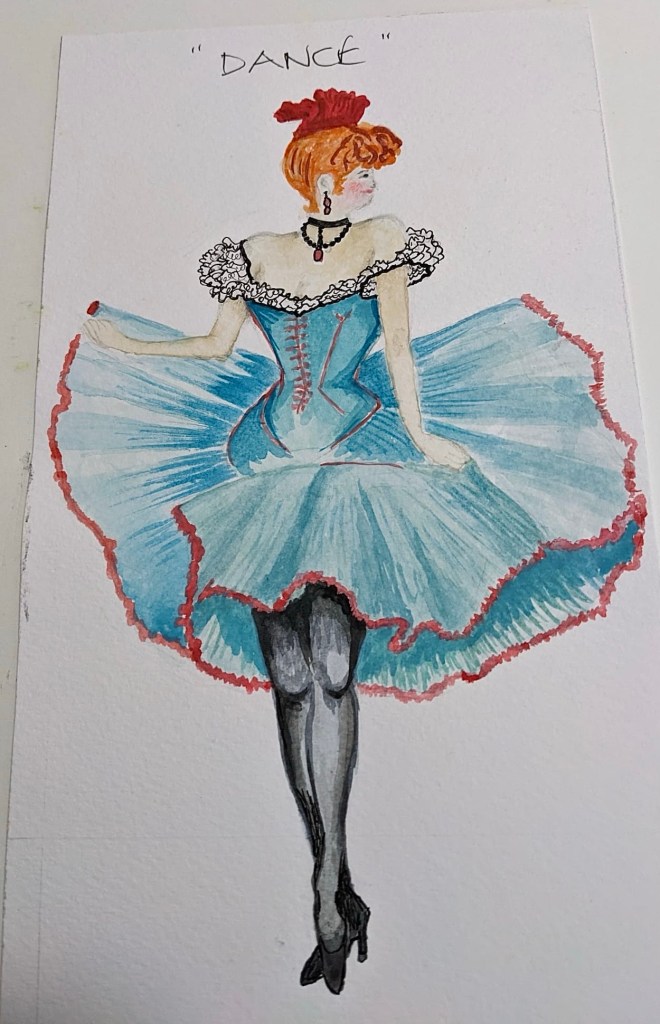
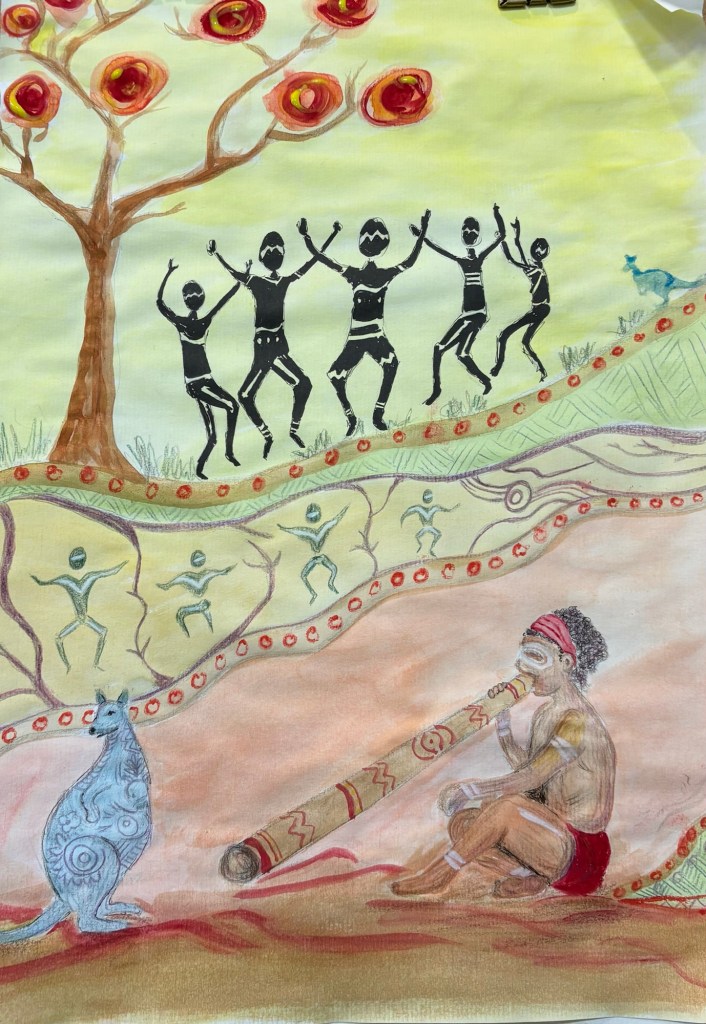
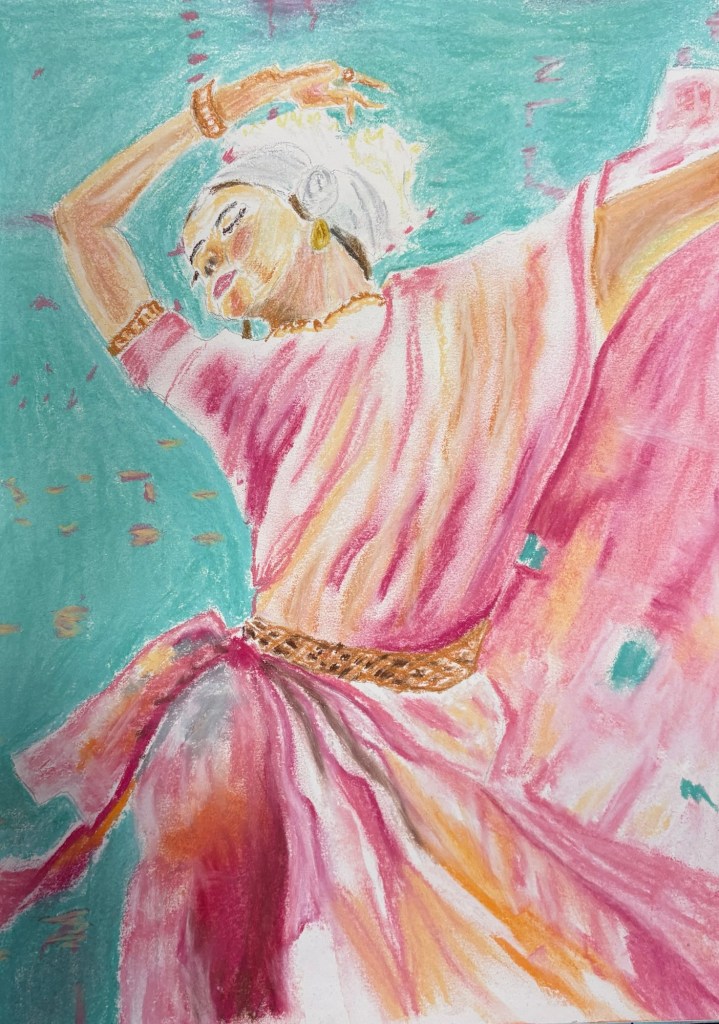
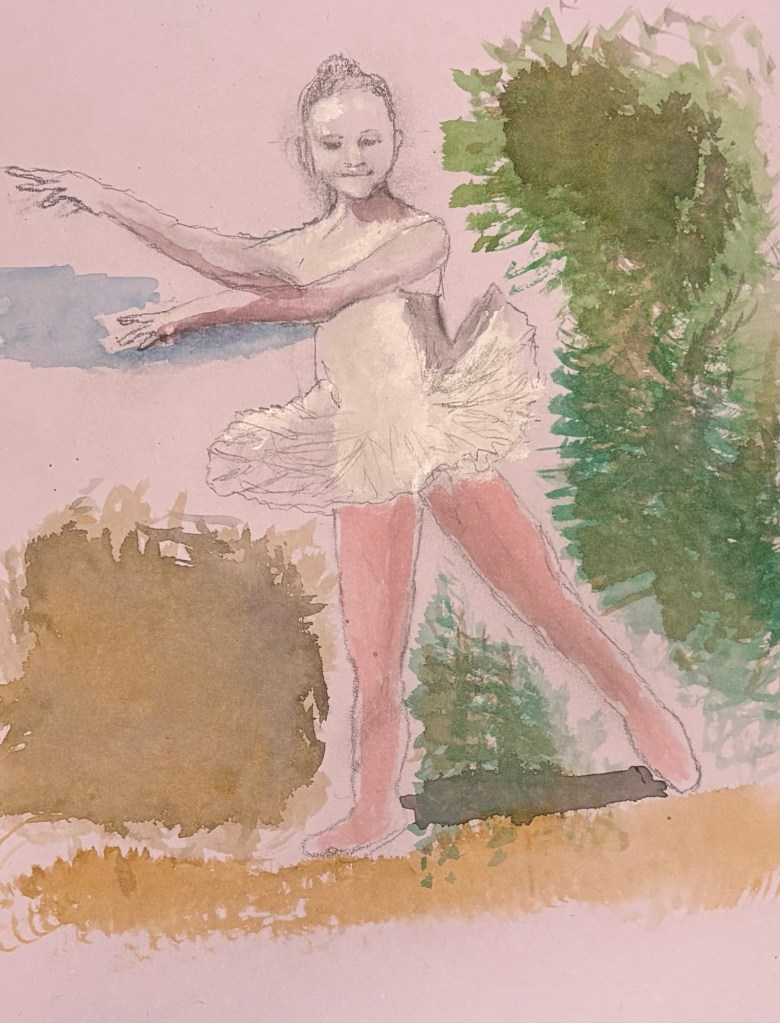
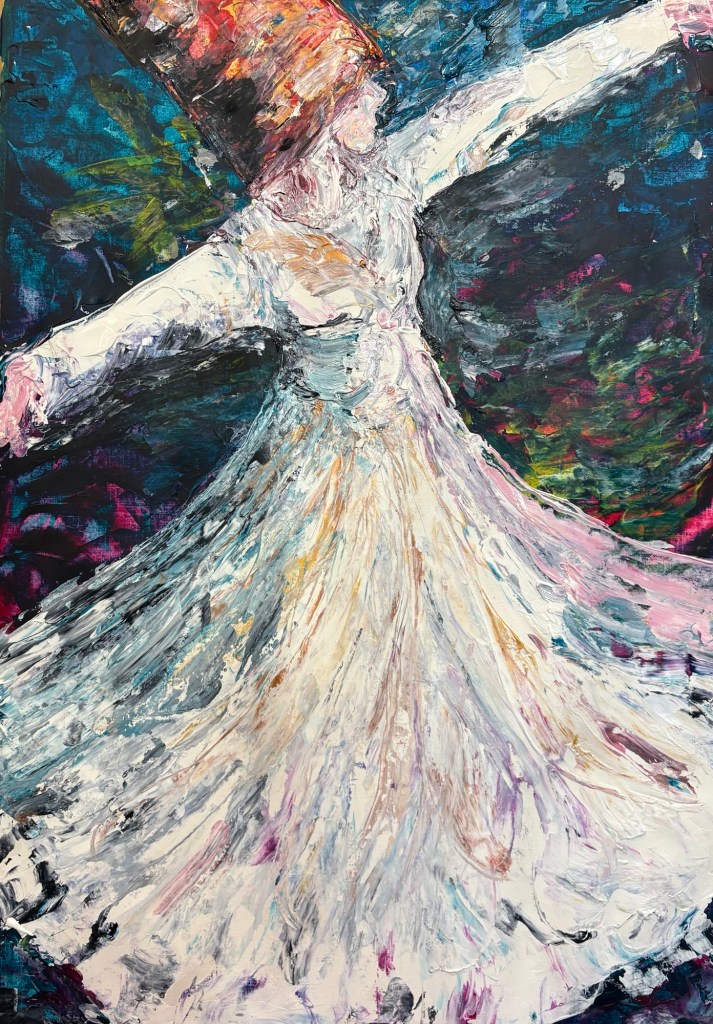
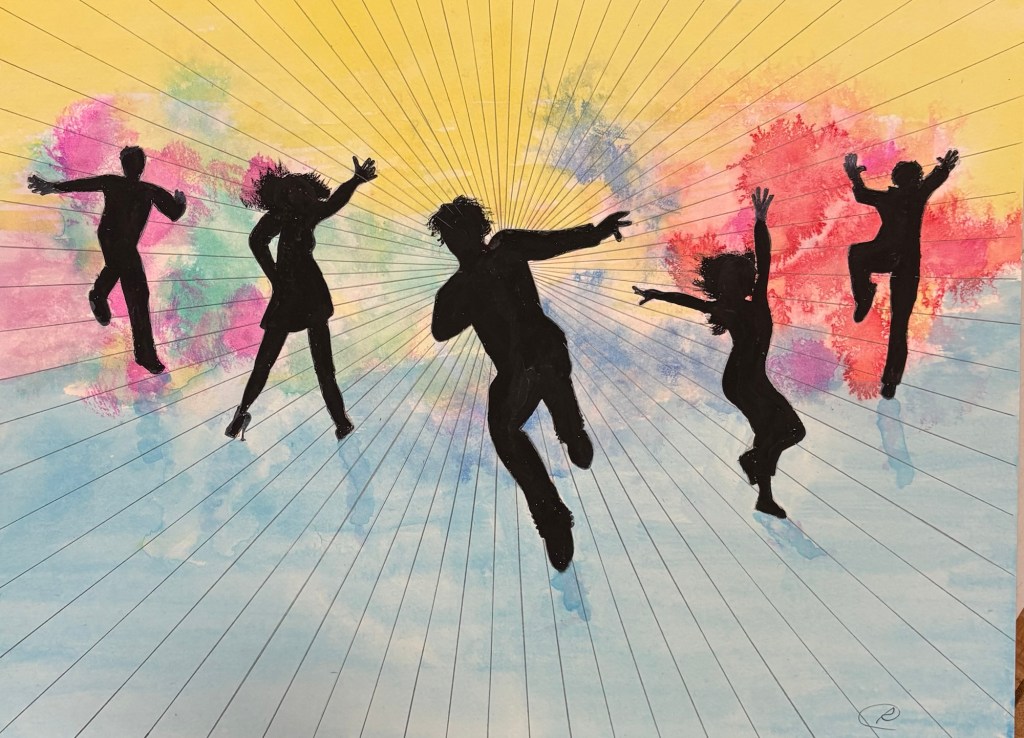
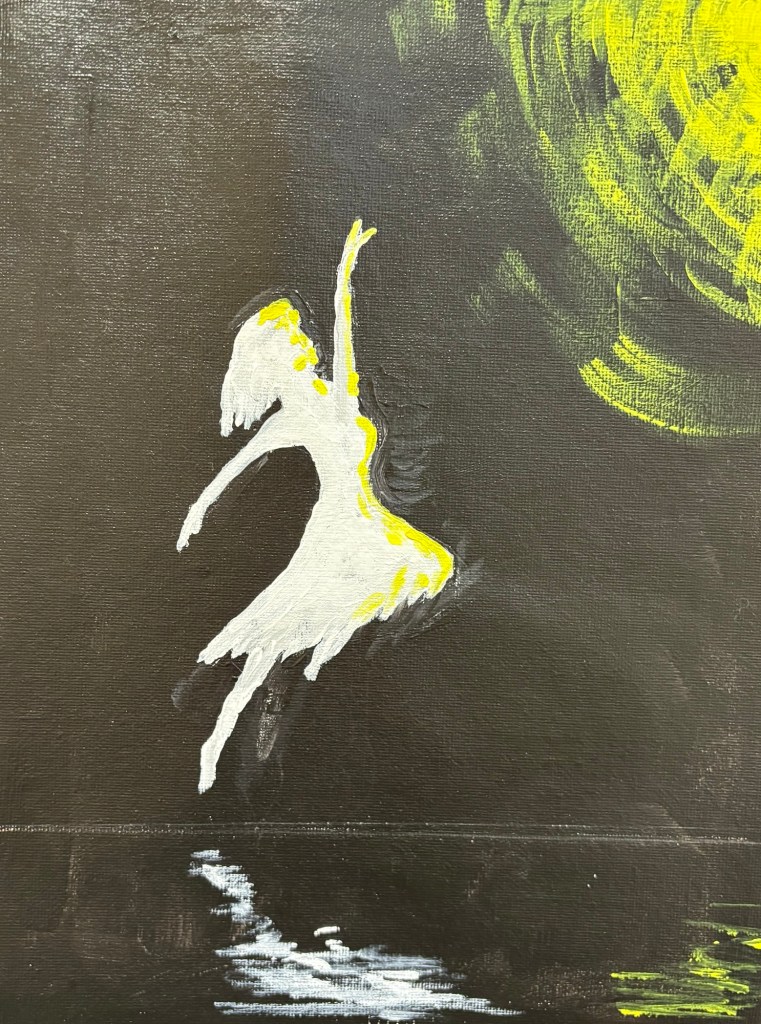
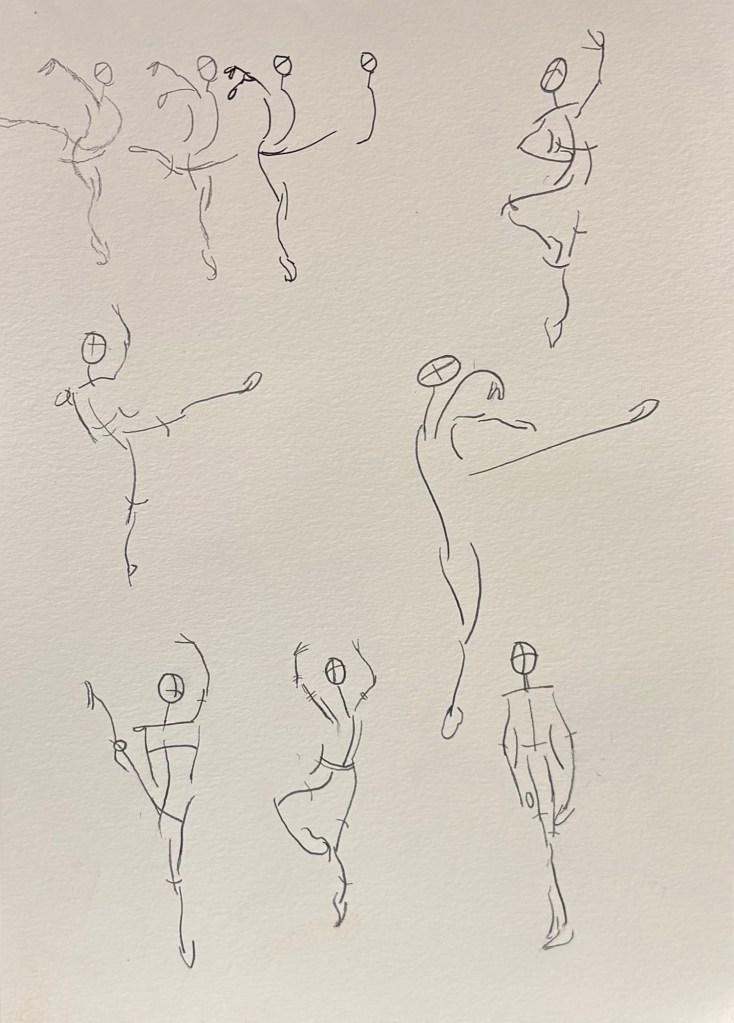
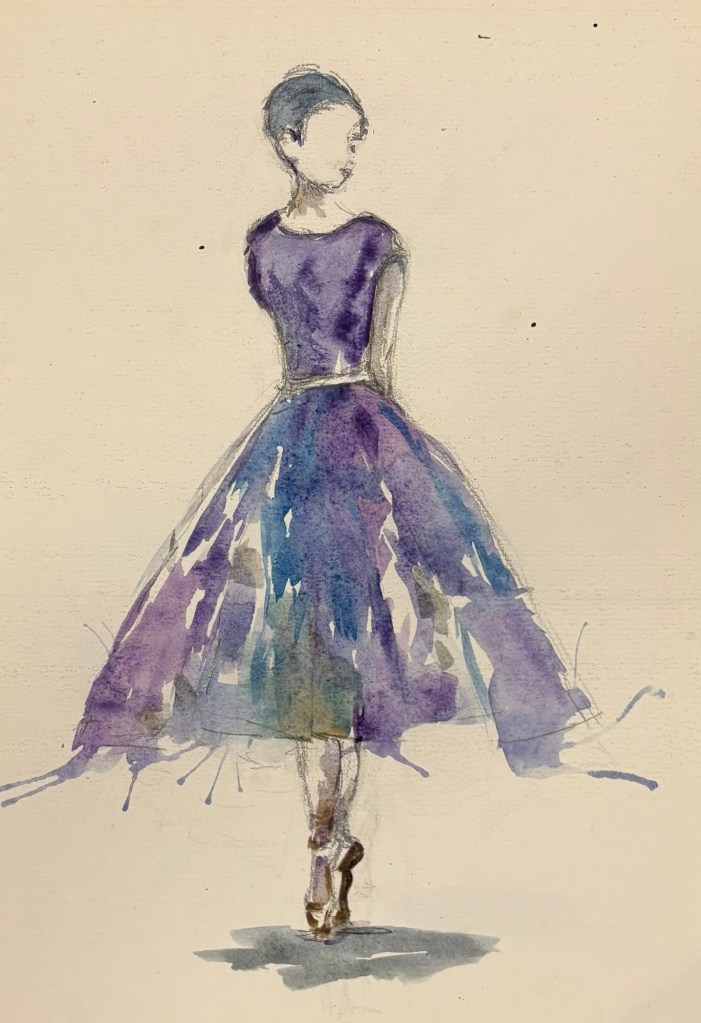
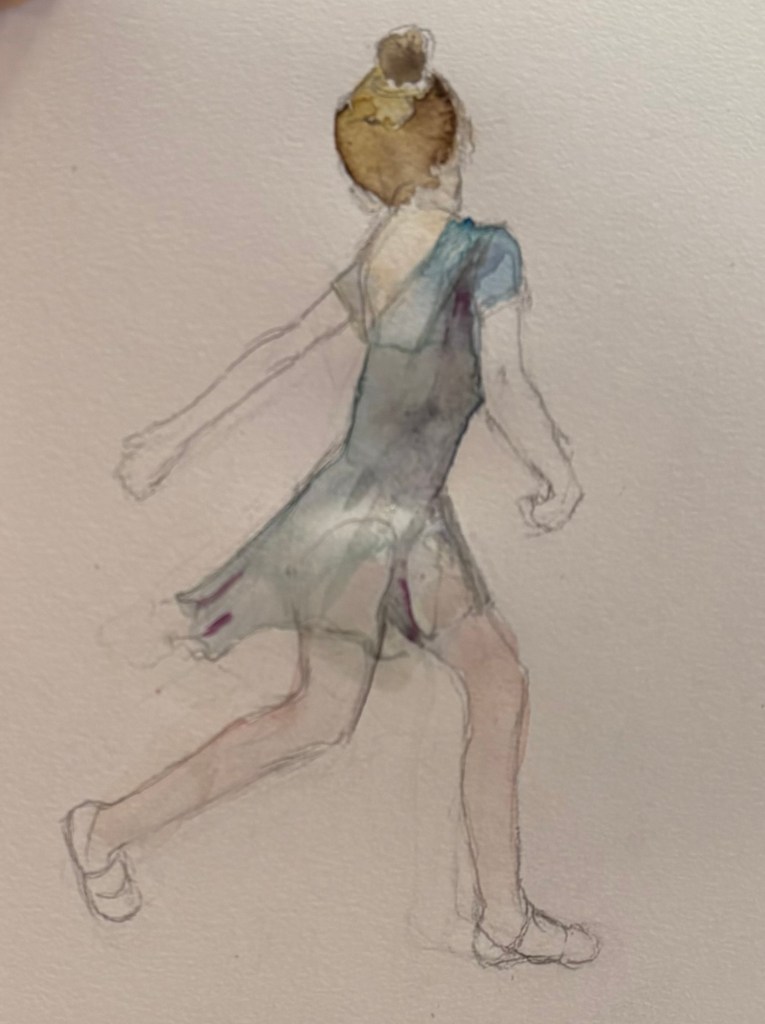
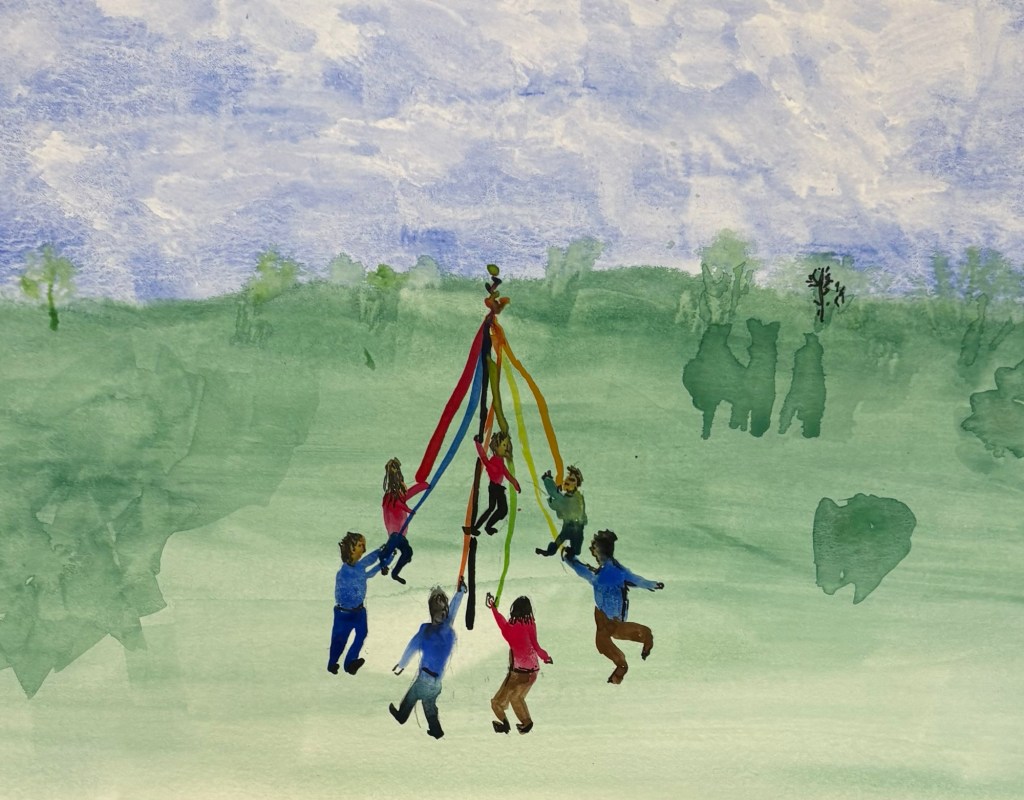
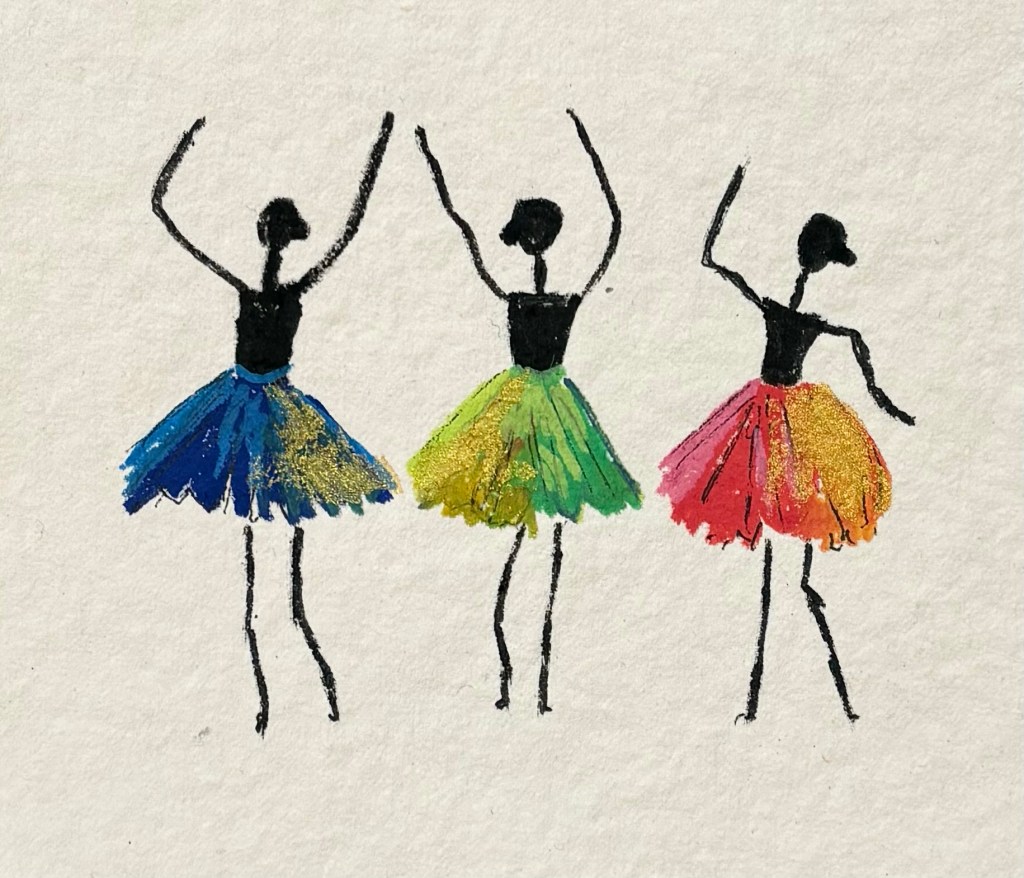
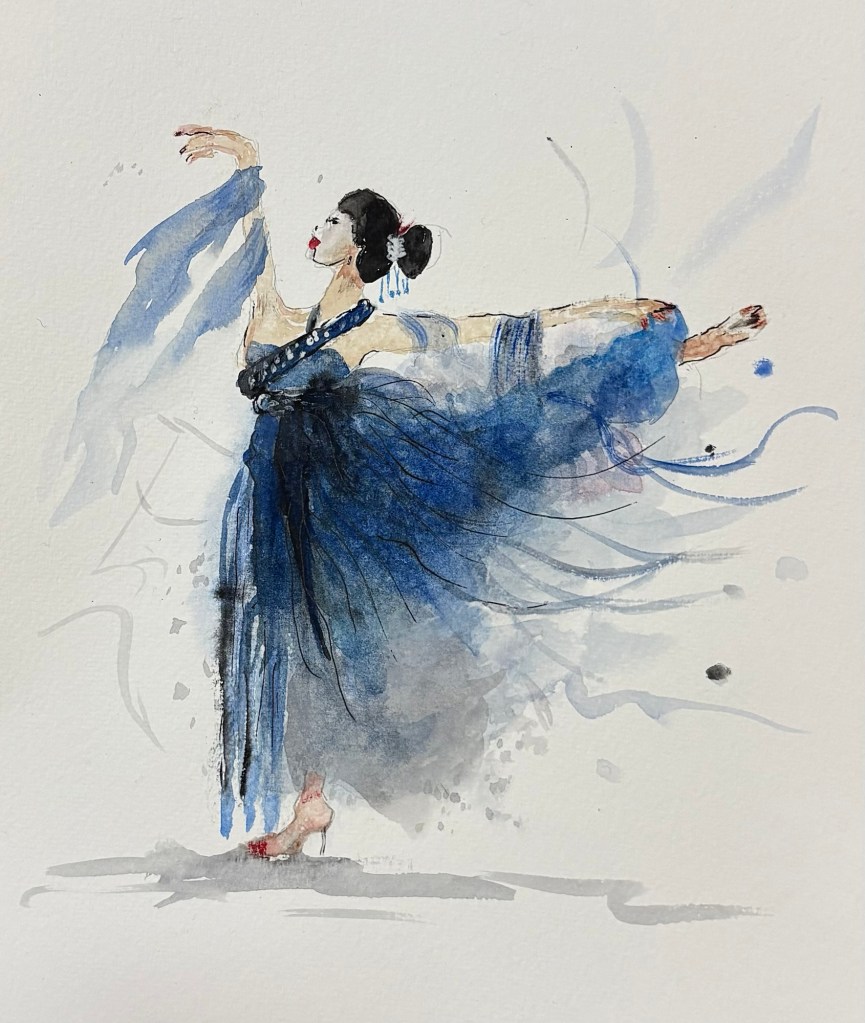
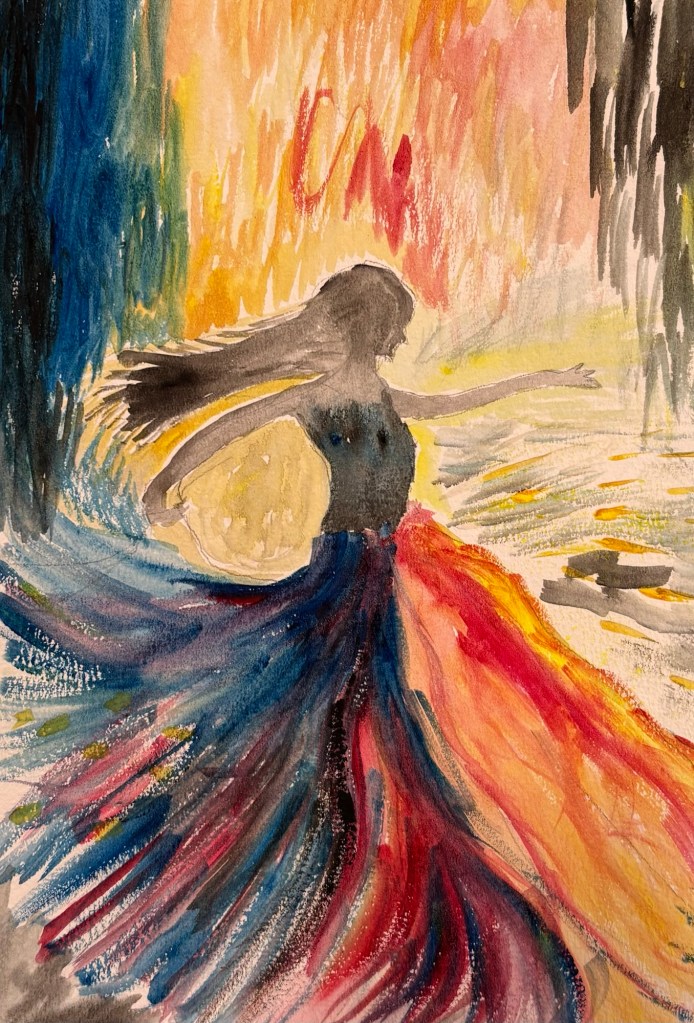
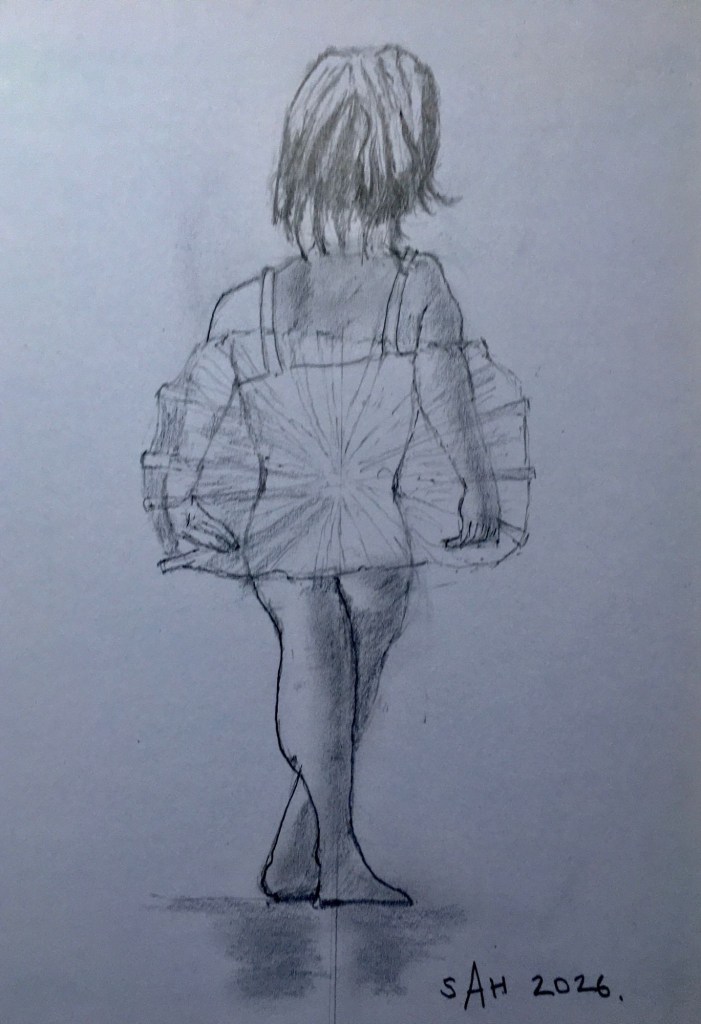
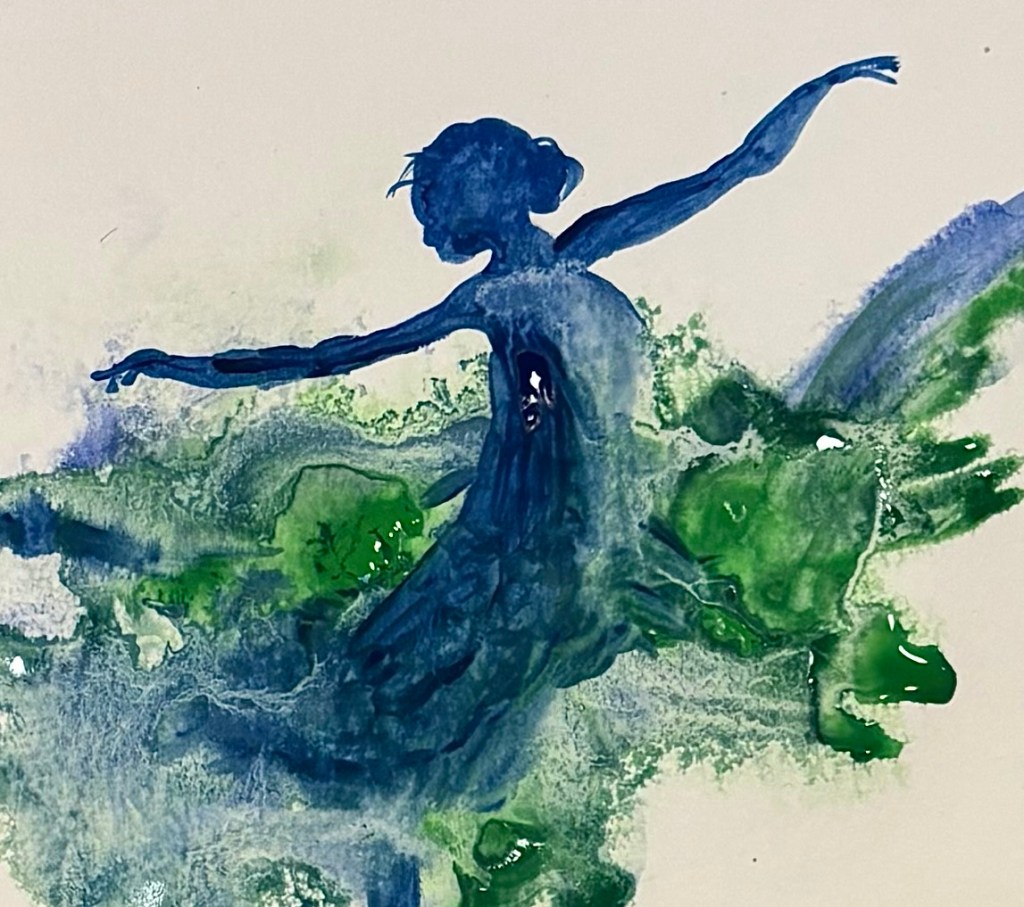
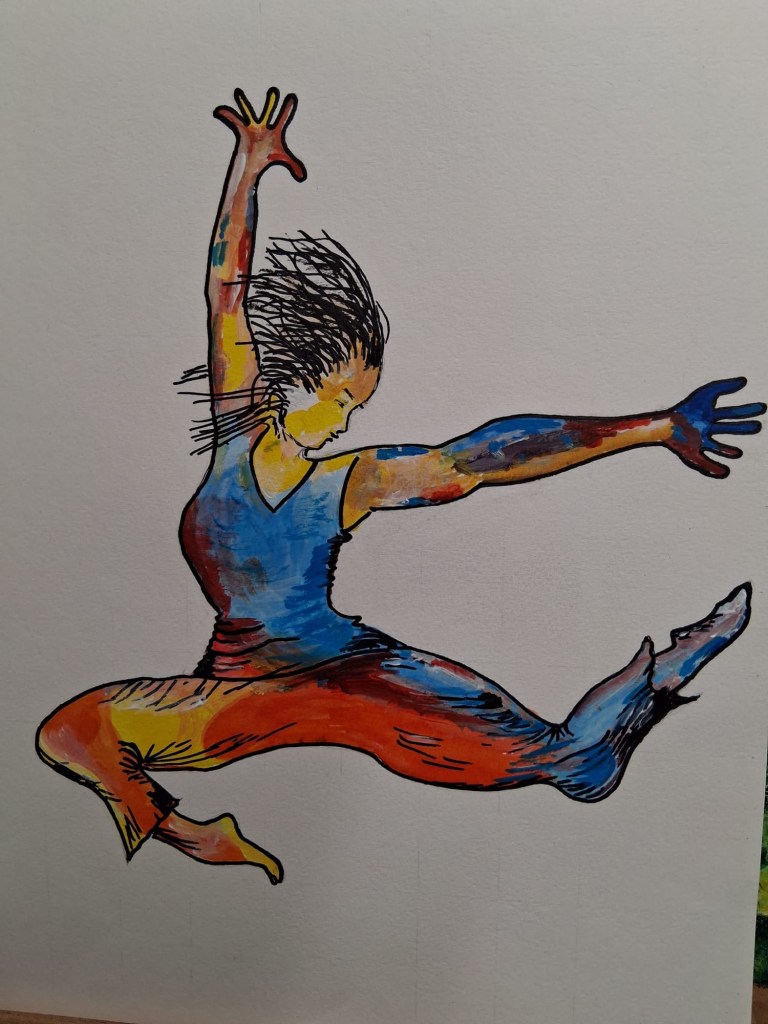
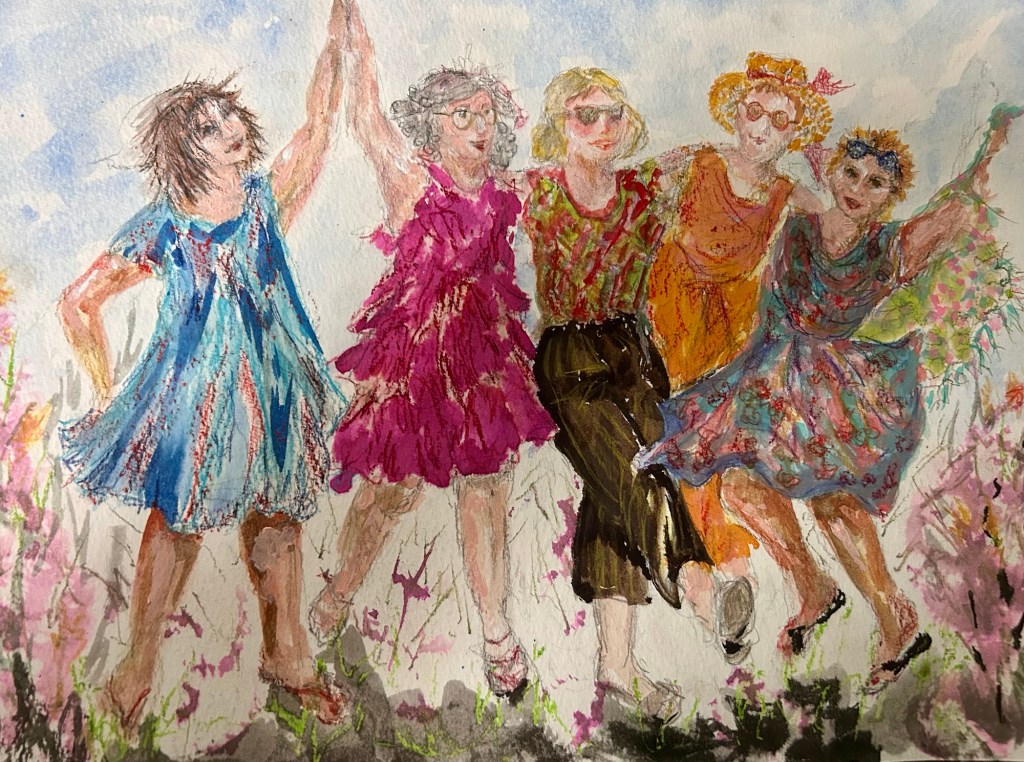
The theme of dance in art has fascinated artists for centuries, capturing movement and emotion in various ways. From the grace of ballet to the liveliness of folk dance, these artworks celebrate life’s rhythm using bright colors and dynamic shapes. Each piece tells a unique story, showing cultural differences and the universal expression of emotion. These creations not only highlight the beauty of dance but also invite viewers to feel the passion and energy it brings.
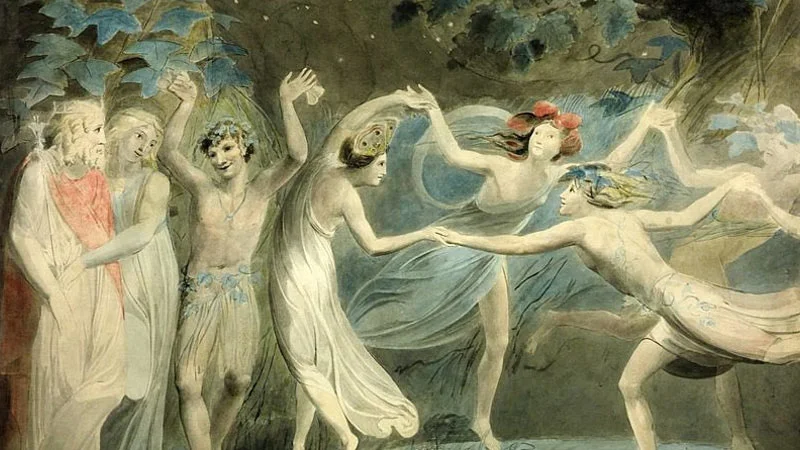
William Blake’s artwork Oberon, Titania and Puck with Fairies Dancing illustrates an enchanting scene of fairies dancing under the moonlight, symbolizing the harmony between nature and magic. The use of vibrant colors and ethereal figures conveys movement and highlights the playful dynamics among the characters.
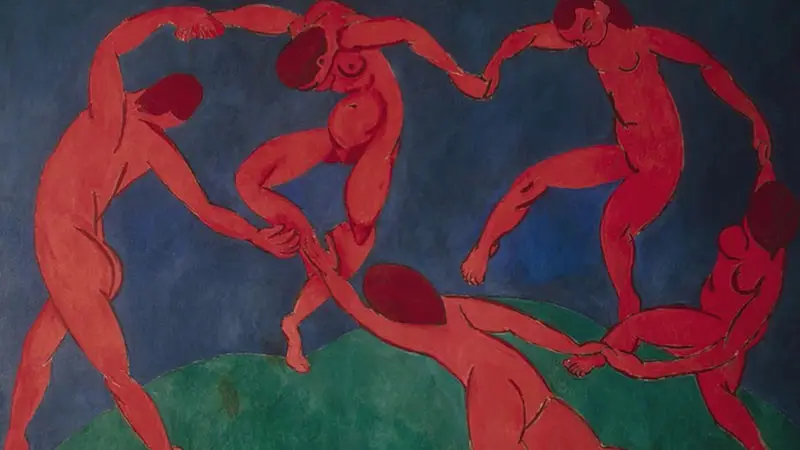
Dance – Henri Matisse
Matisse’s “Dance,” created in 1910, showcases five figures joyfully dancing in a circle. Utilizing vibrant reds and blues, the painting emphasizes movement and unity, highlighting the harmony between color and form.
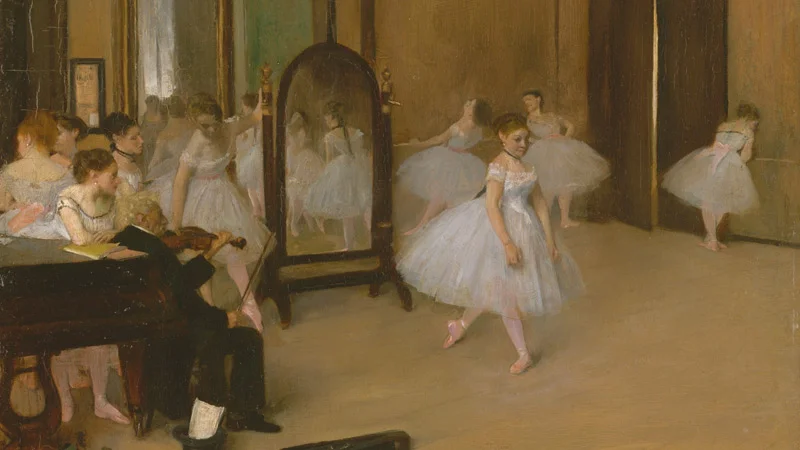
The Dancing Class – Edgar Degas
Edgar Degas’s 1874 masterpiece “The Dancing Class” showcases young ballerinas in training, highlighting their elegance and movement. Using dynamic compositions and soft pastels, Degas captures fluidity and depth through light and shadow. The artwork reflects the discipline of ballet while celebrating the joy of performance, illustrating the dedication needed to master the art of dance.
All of our Artists this week have taken plenty of steps to bring their unique art styles to life as well as bring life to their unique dance themed paintings. A delightfully dizzying display!
Have a wonderful week
With love, Liz at the Beach Hut xxx
 Sea Sparkle