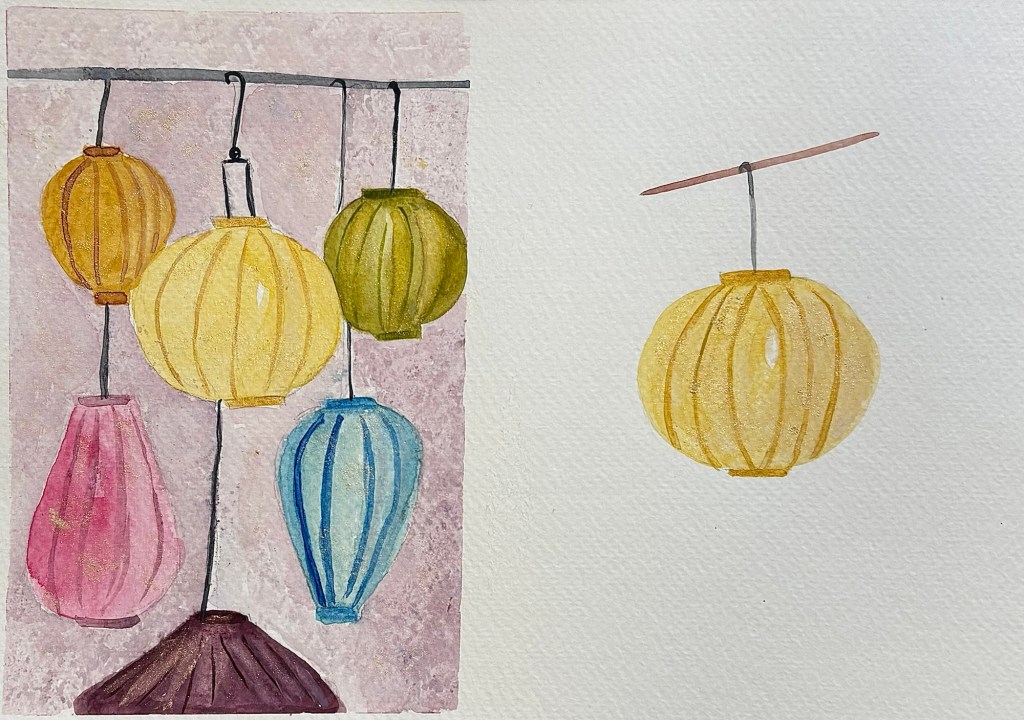
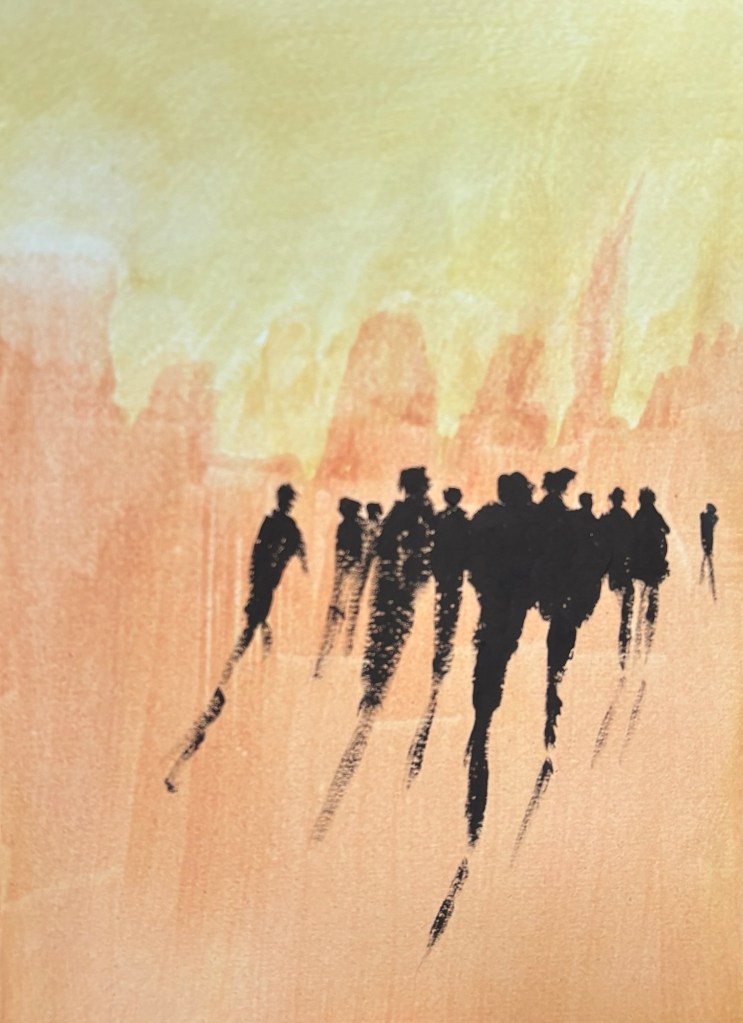
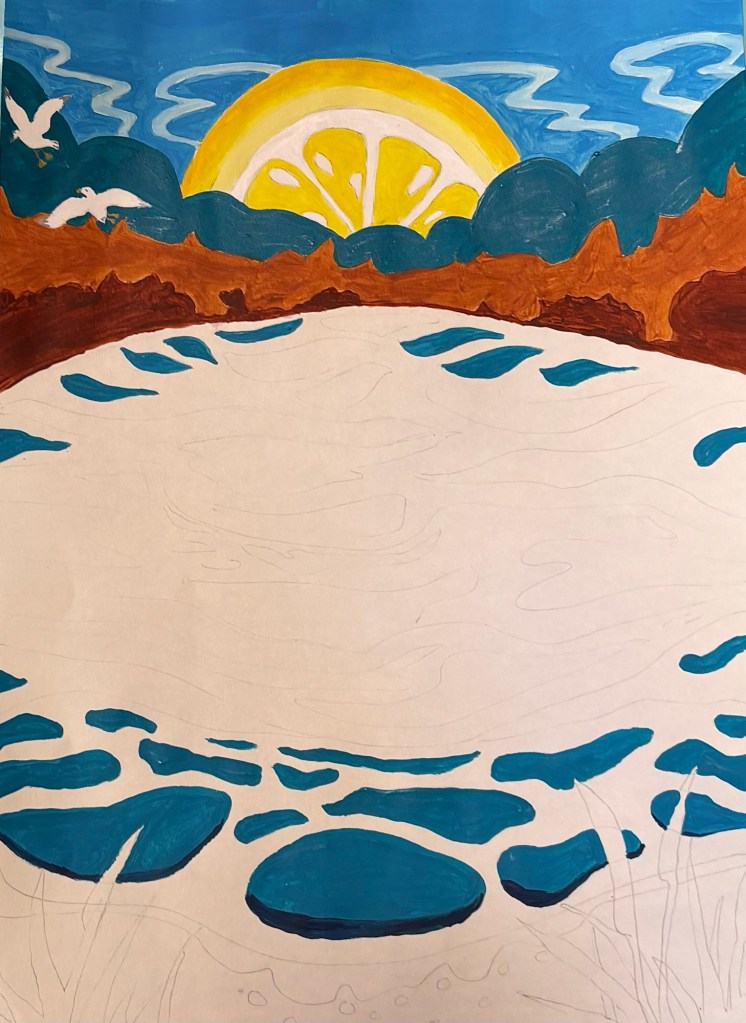
A little Light in Art
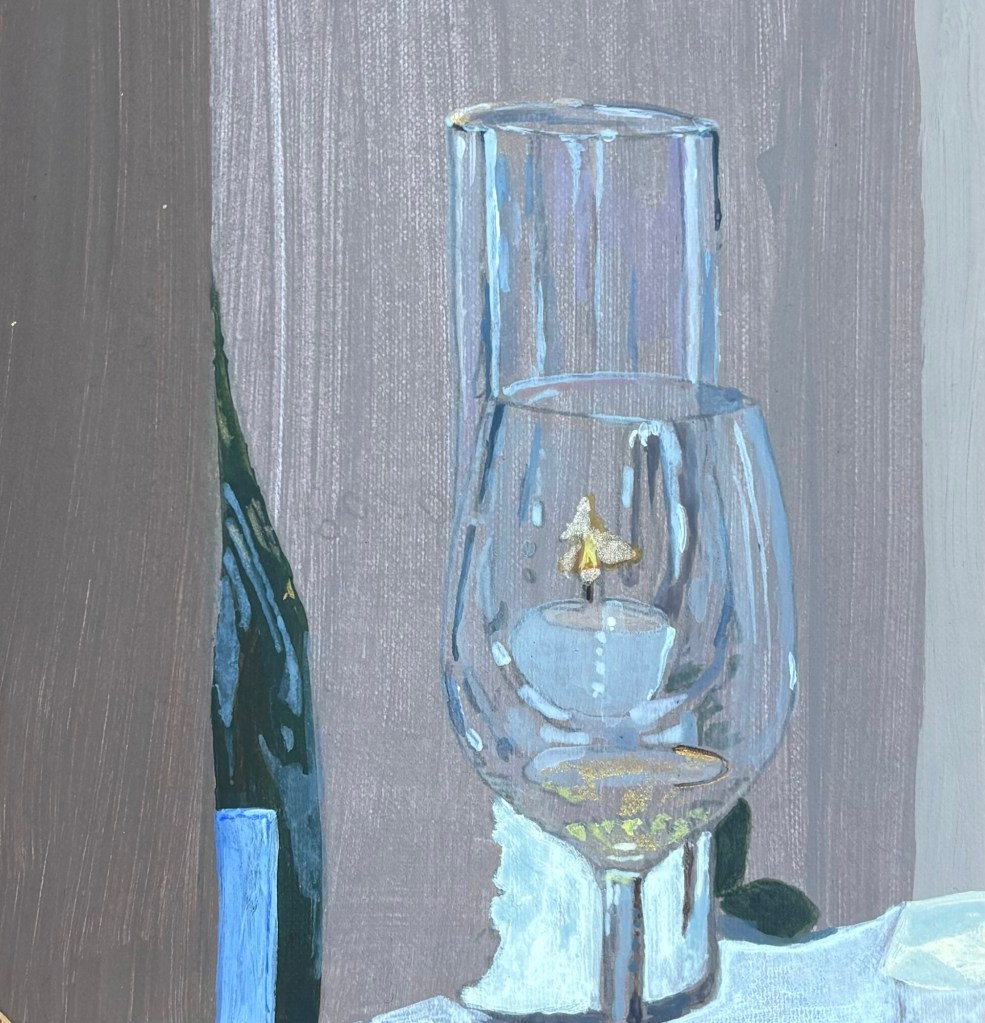
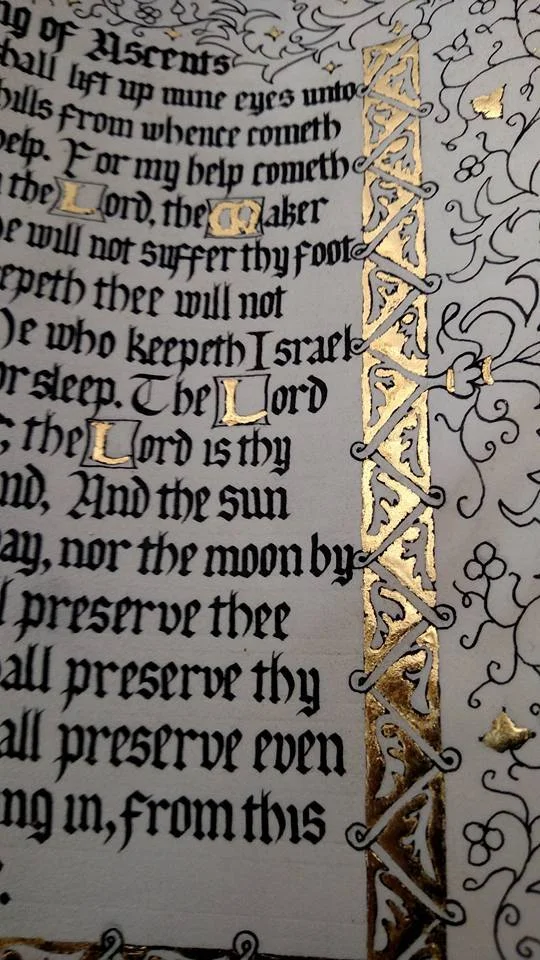
In Christianity, gold paint and gold leaf were commonly used to highlight holy symbols. Halos were often made of gold to make holy figures stand out among others. This created contrast with faces left in shadow, representing darkness and sometimes betrayal. By layering different light effects, early artists were able to create works that were thick with symbolic meaning.
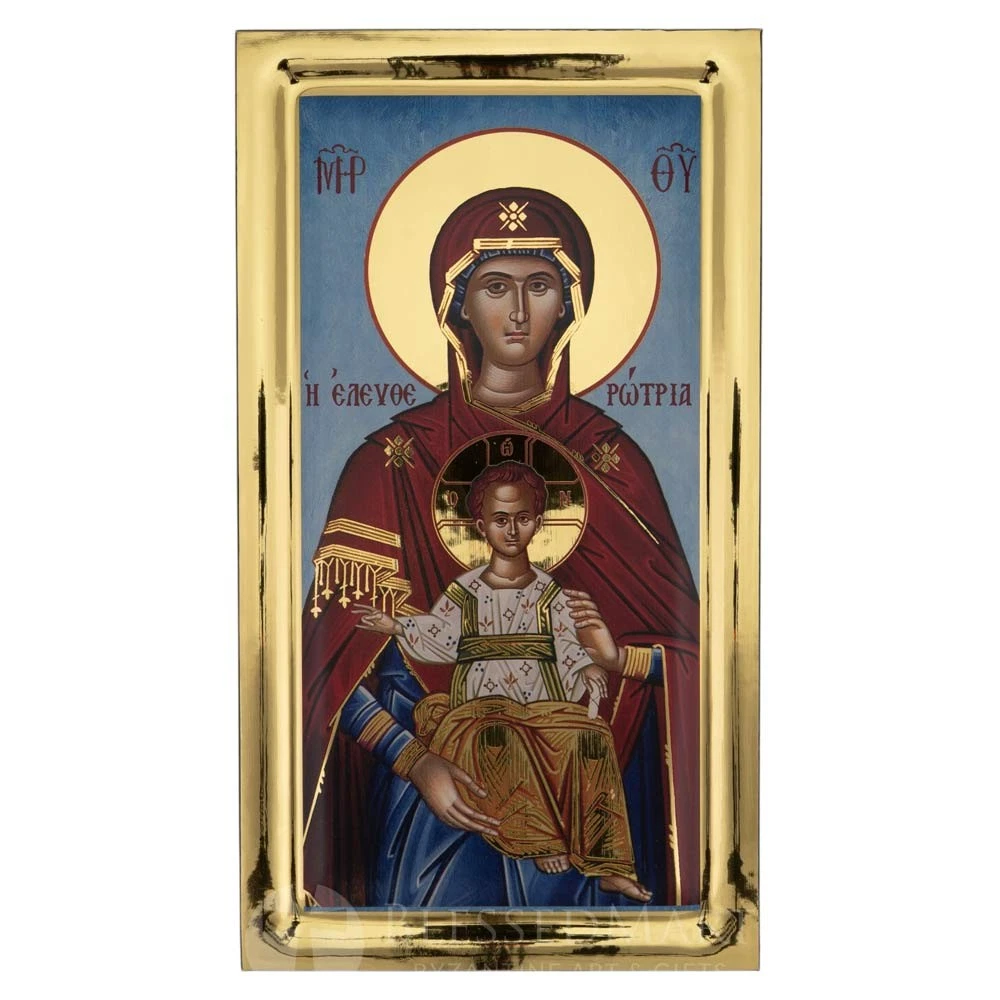
The use of gold in holy manuscripts was intended to create an eye-catching effect when pages were turned, with raised gold features reflecting light to inspire awe and devotion, particularly highlighting names to symbolize saintliness.
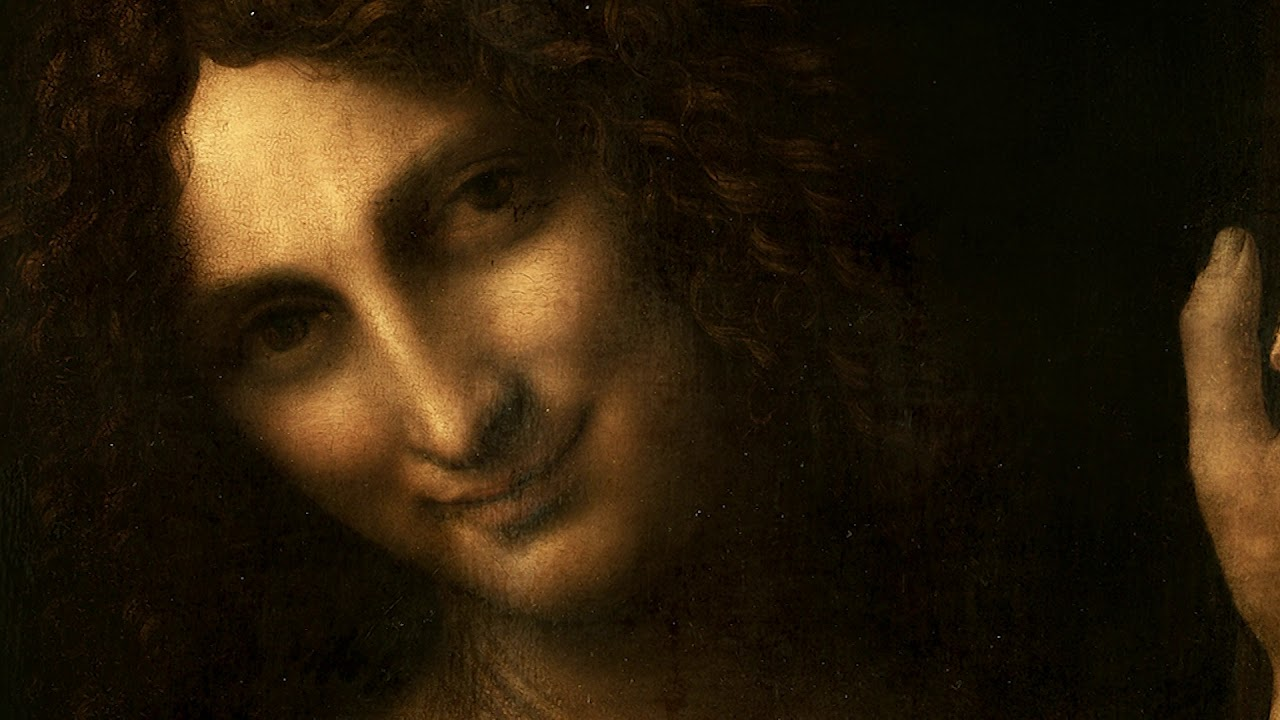
‘Sfumato’ is a technique associated with Da Vinci that softens borders between objects, creating an effect of focus and enhancing the atmosphere in his artworks.
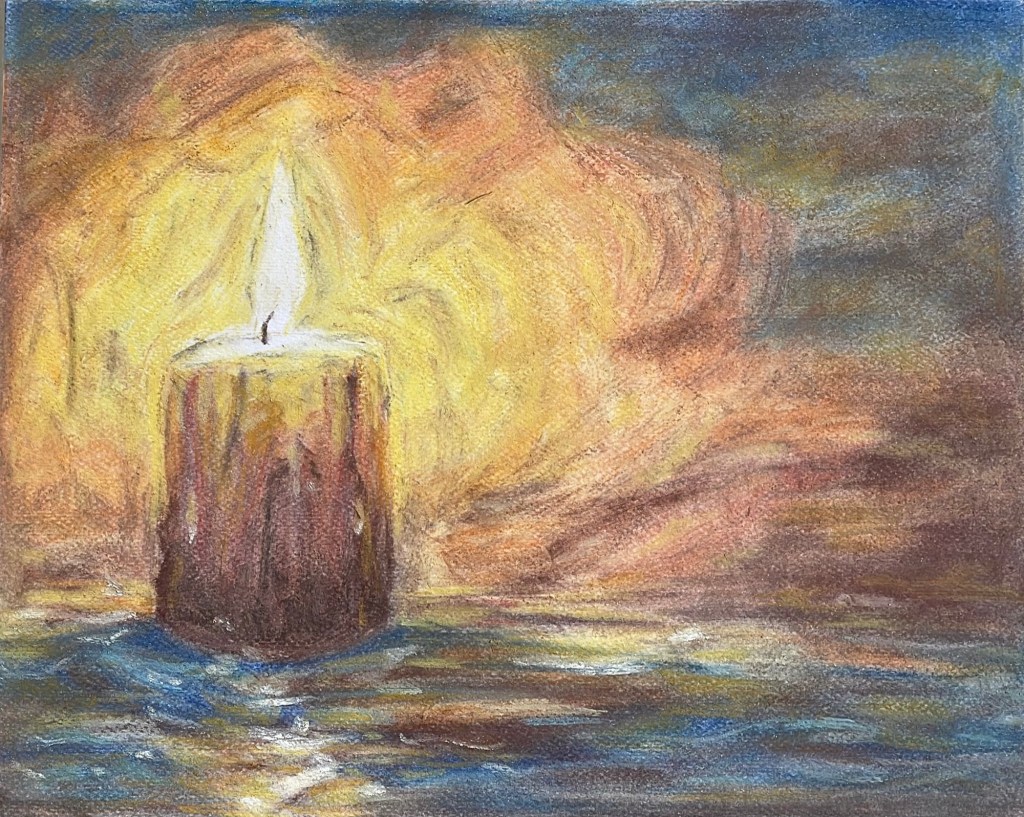
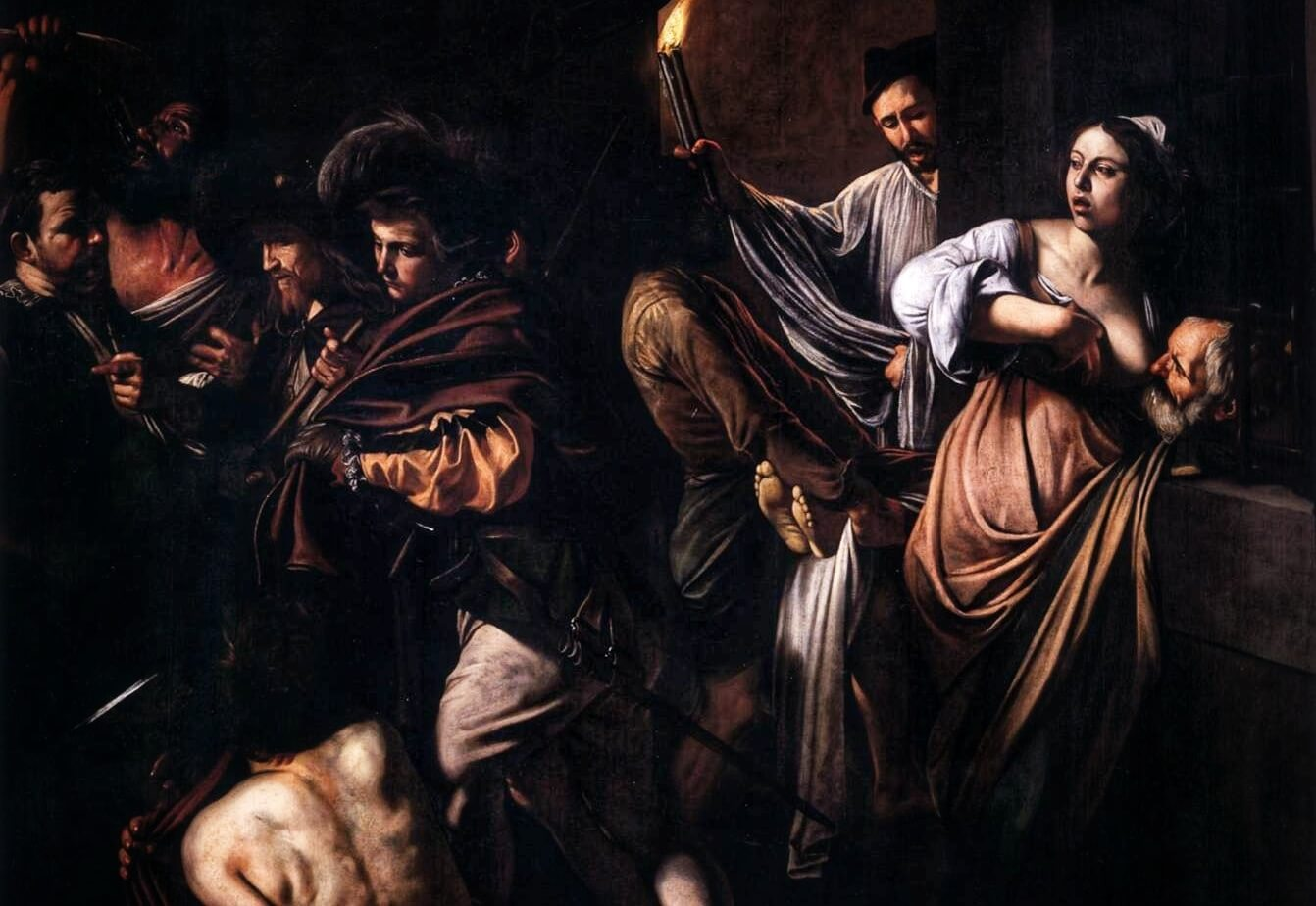
Caravaggio (1571 – 1610) was a famous artist known for his unique use of light. He typically used one light source in his paintings, creating interesting shadows on his subjects and emphasizing the human form. His use of light gives his characters a strong and sometimes unsettling presence, while also highlighting the emotions that the light evokes.
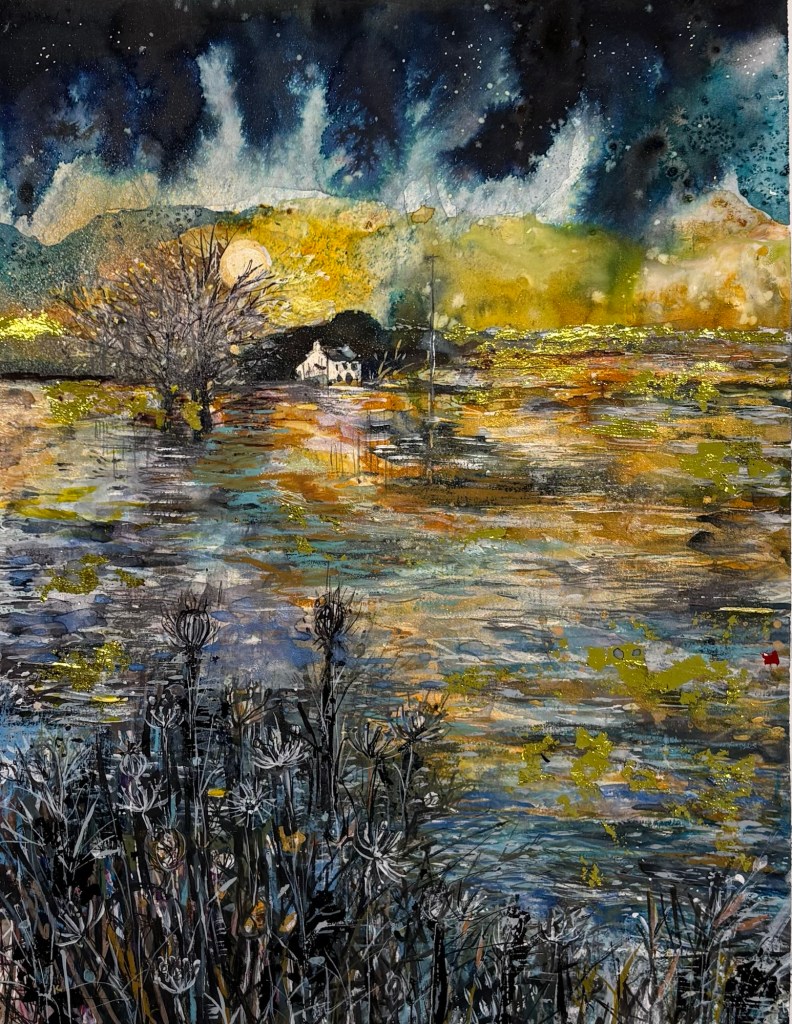
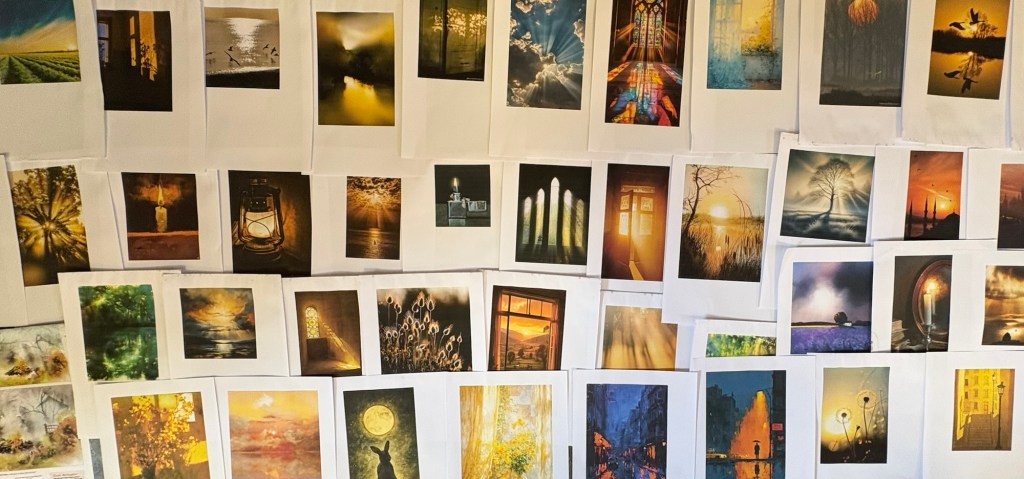
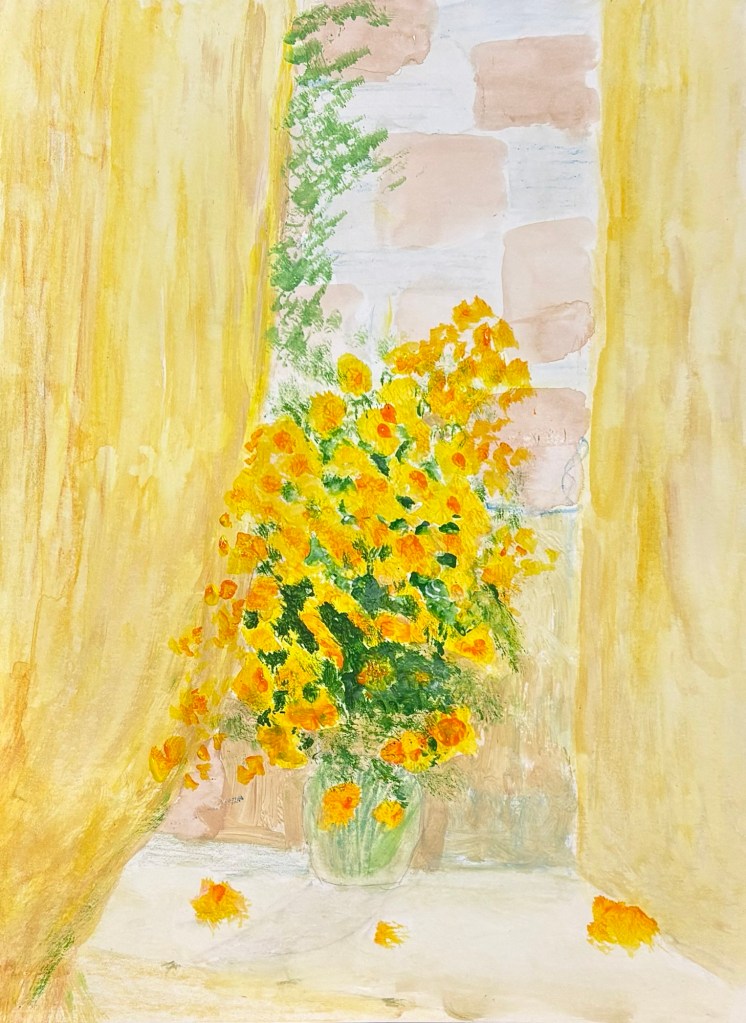
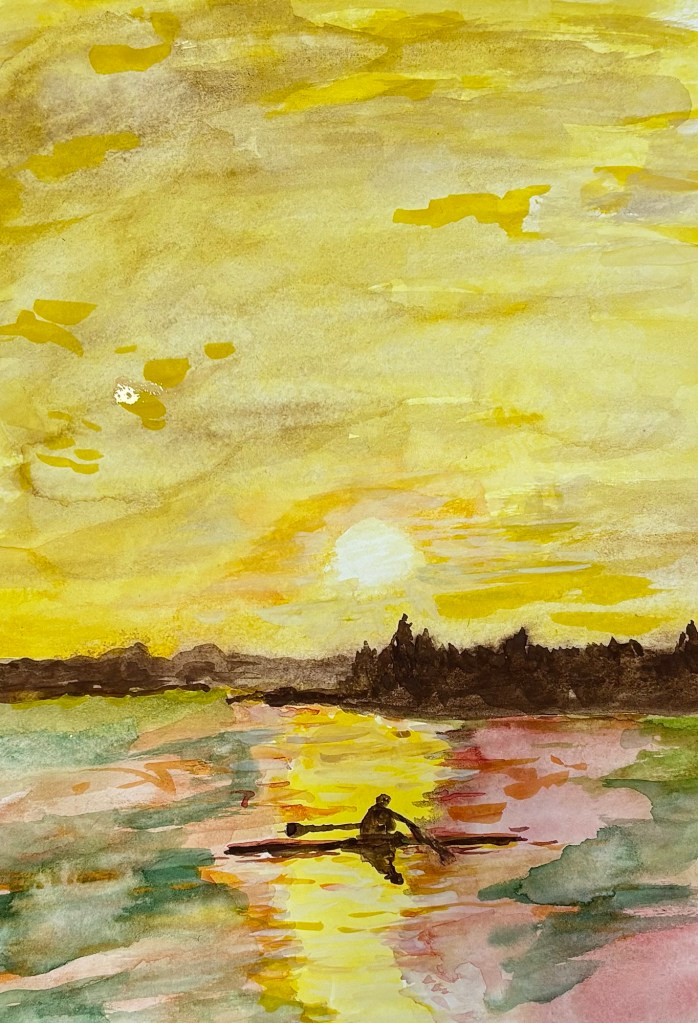
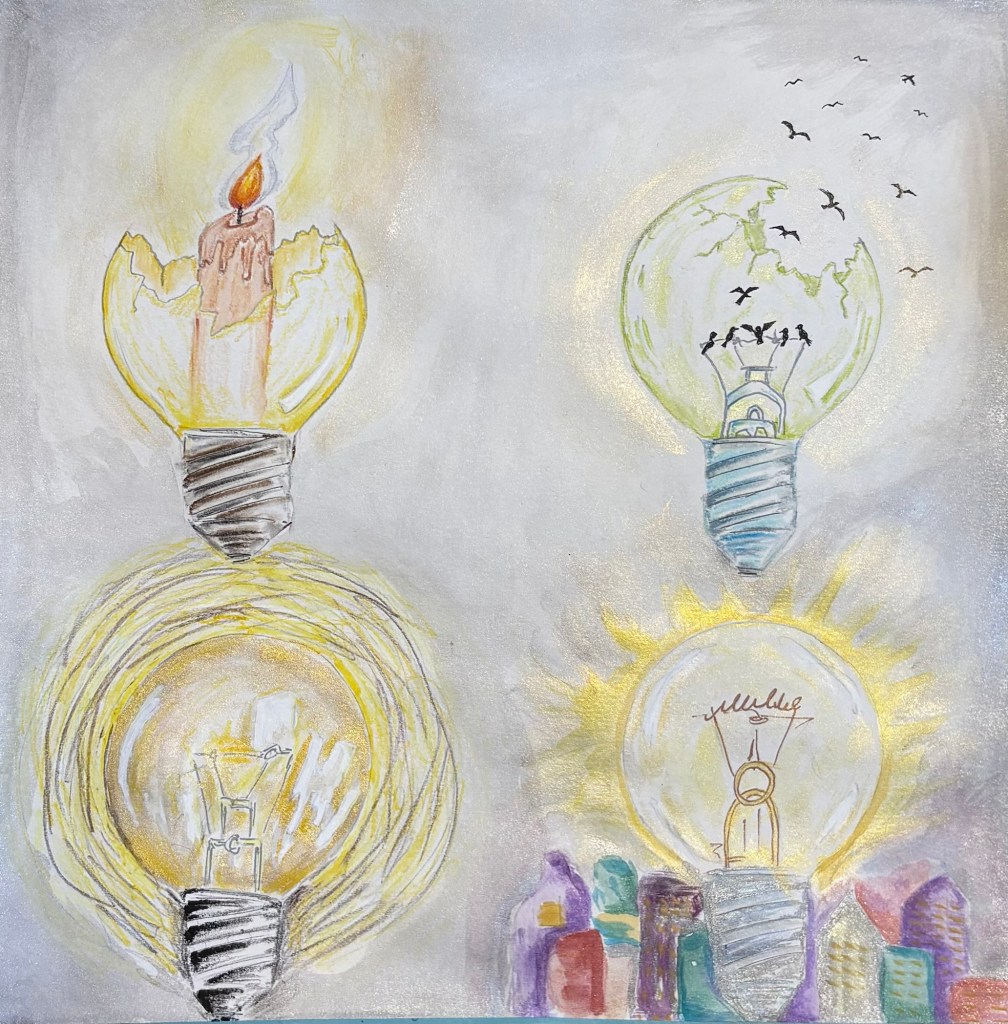
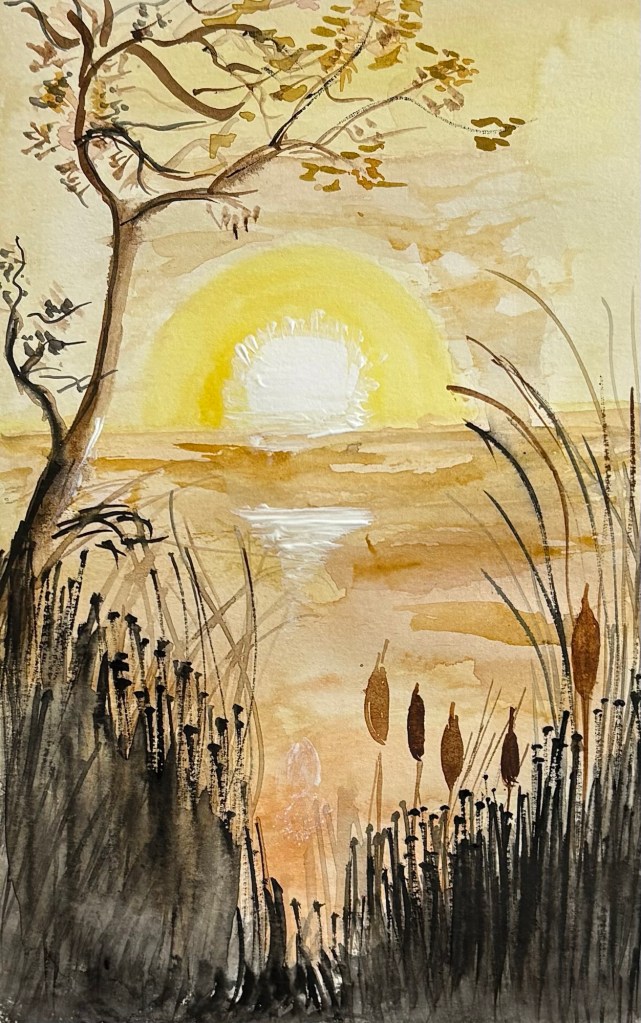
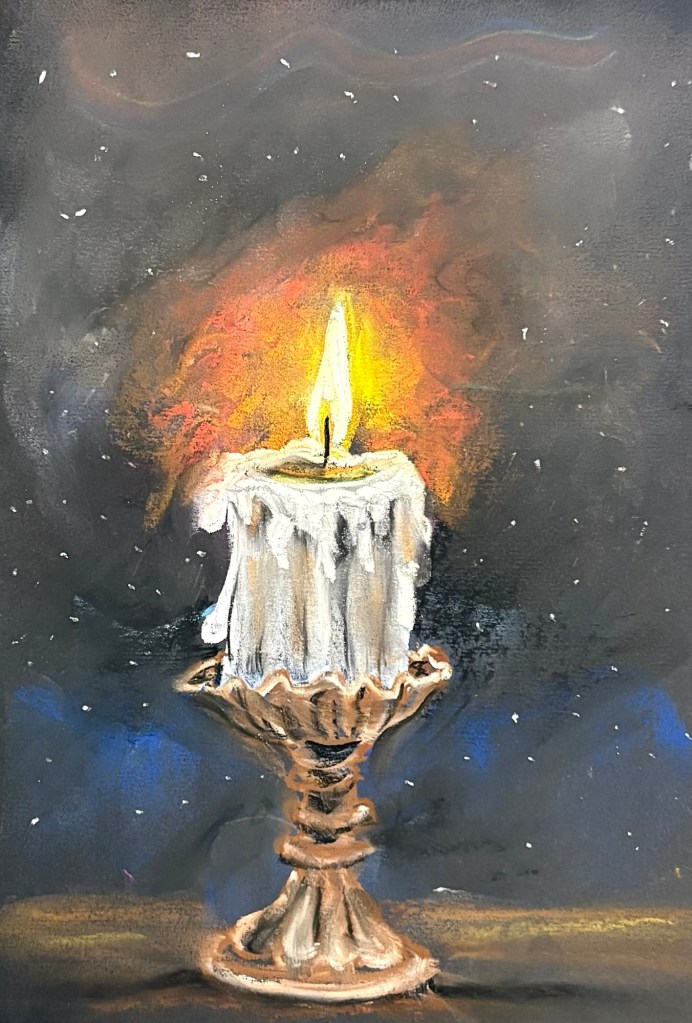
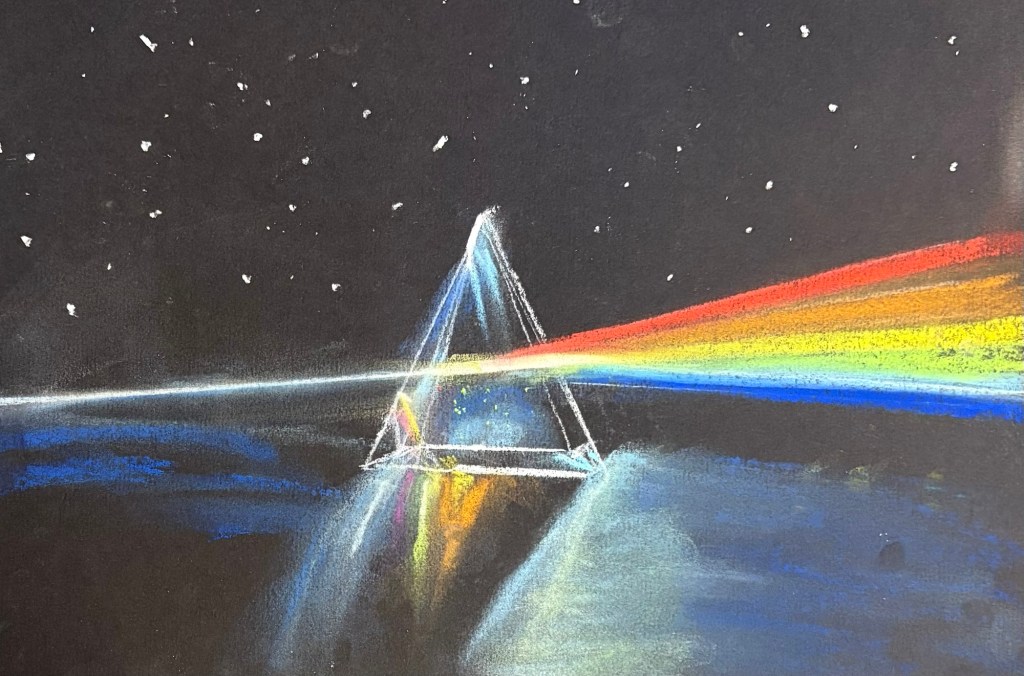
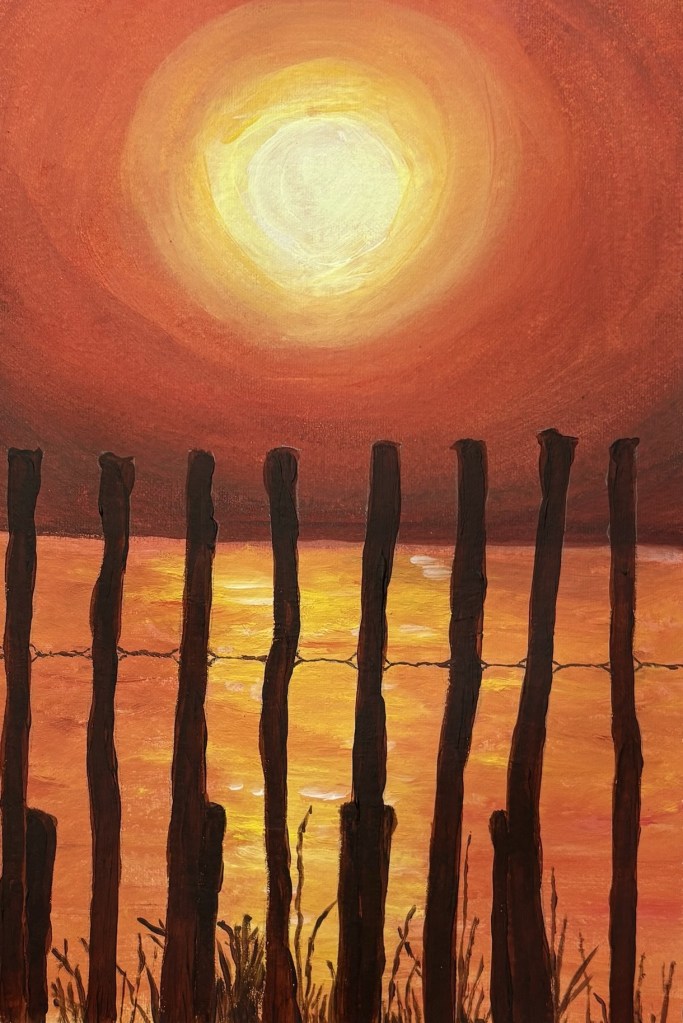
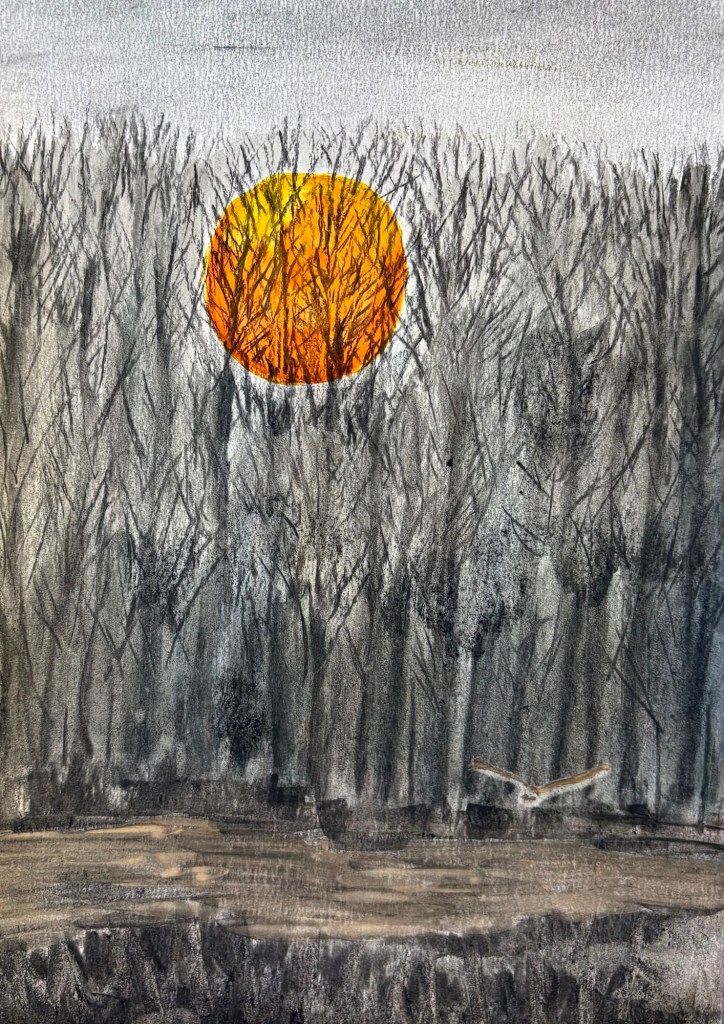
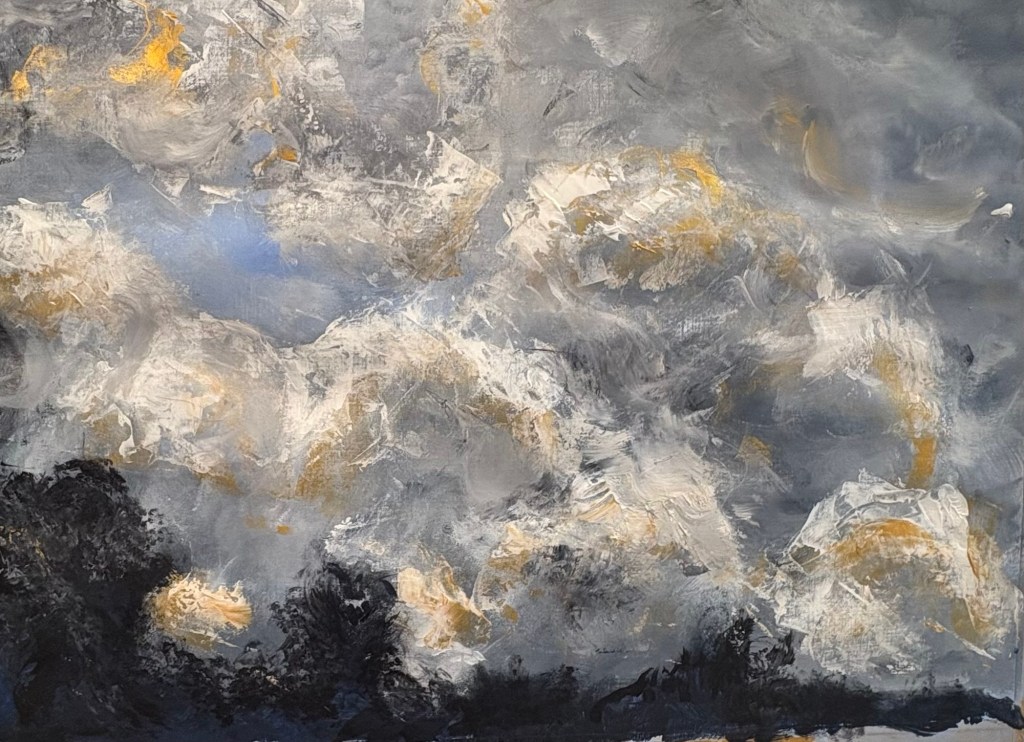
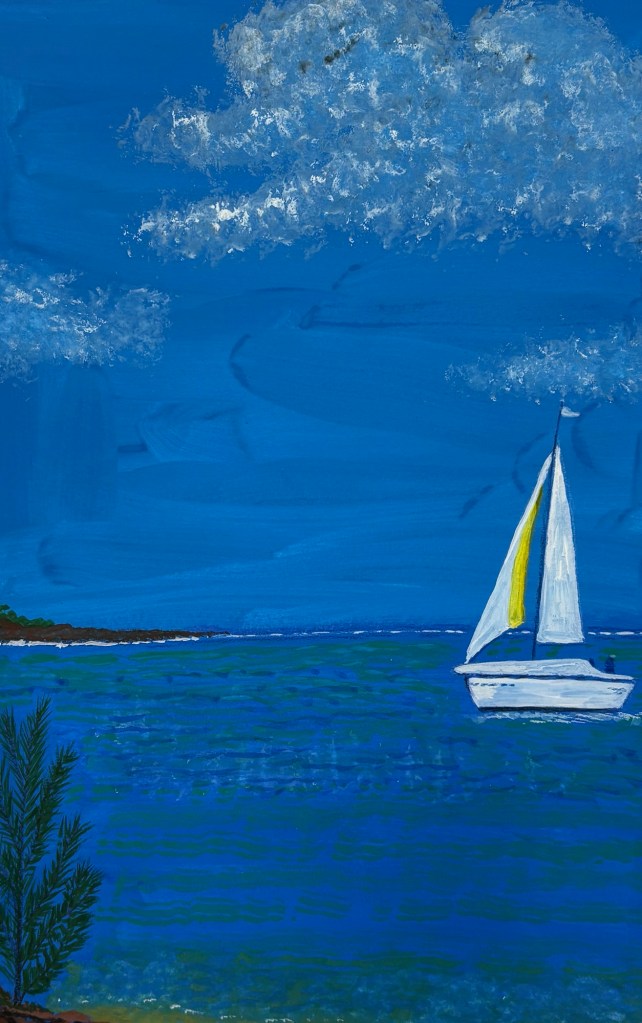
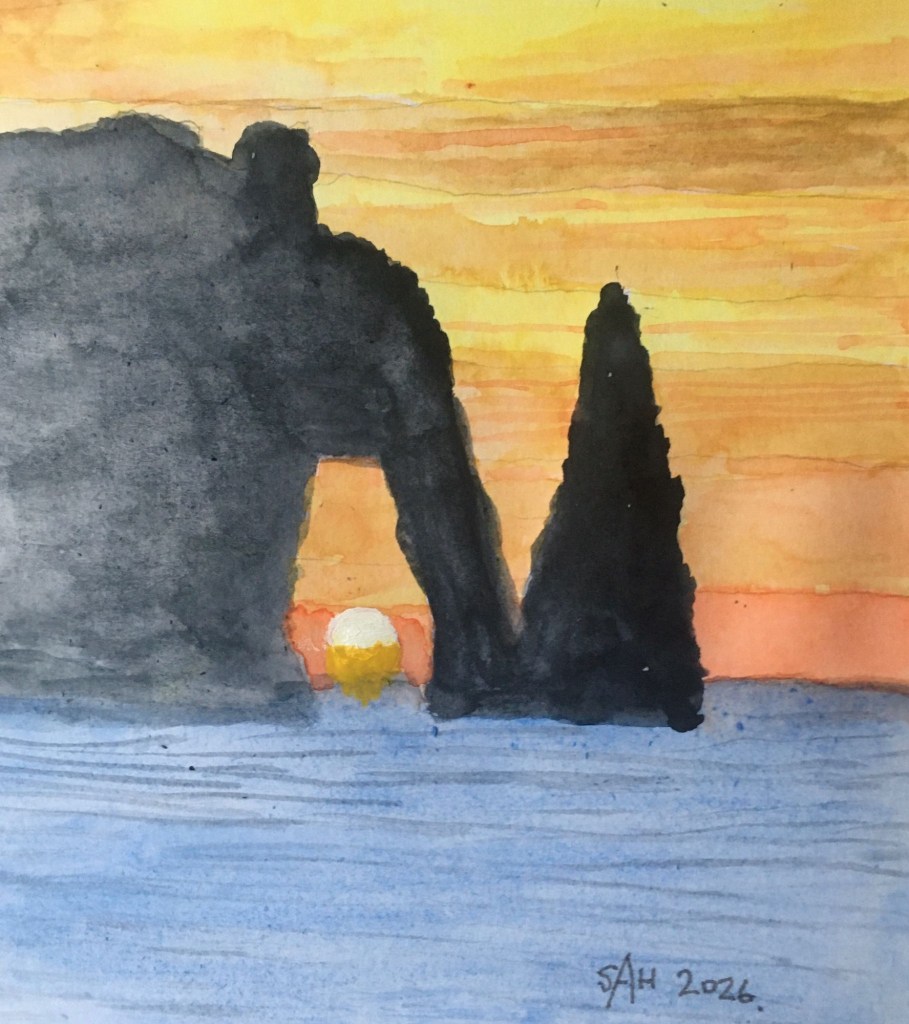
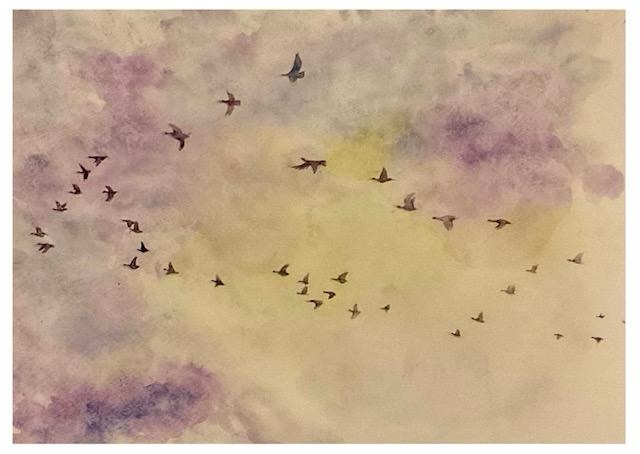
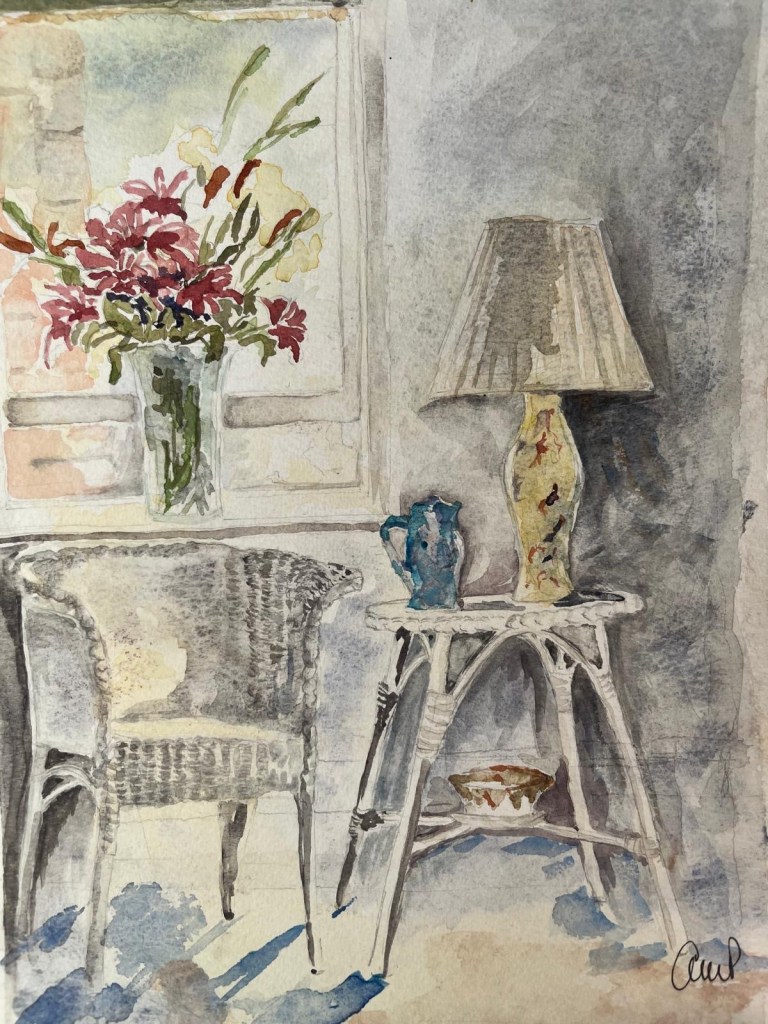
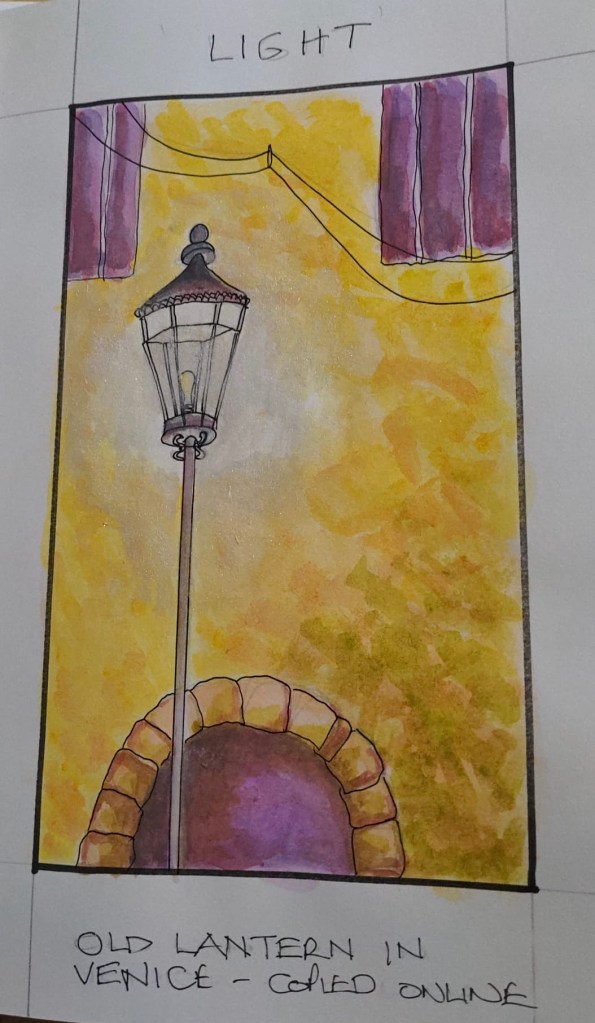
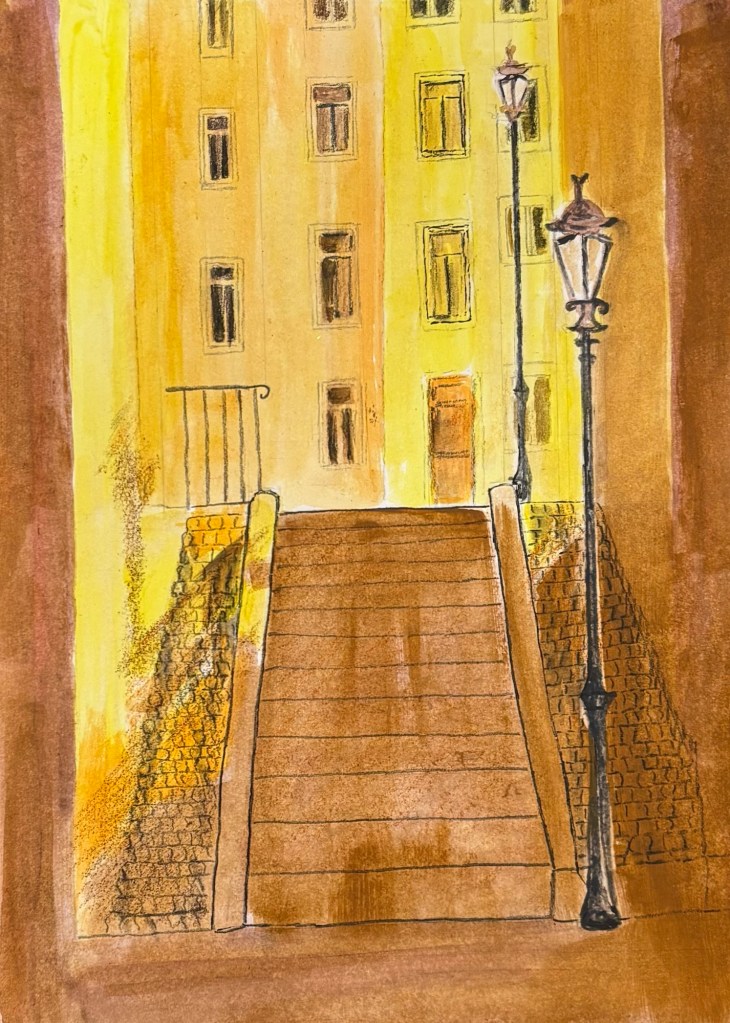
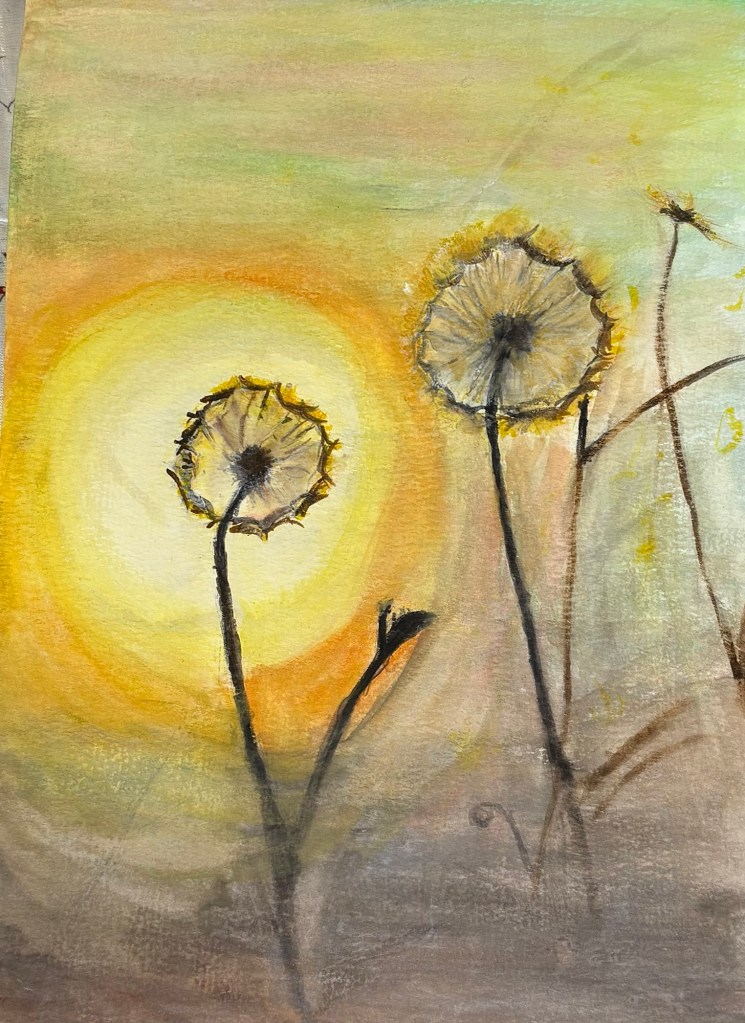
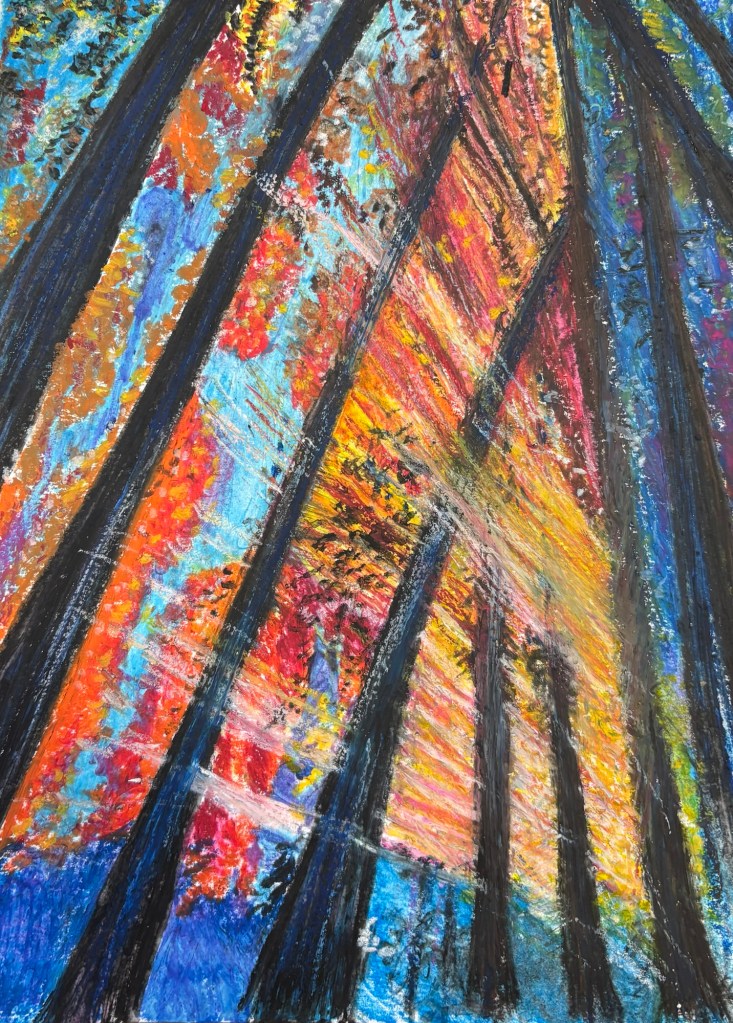
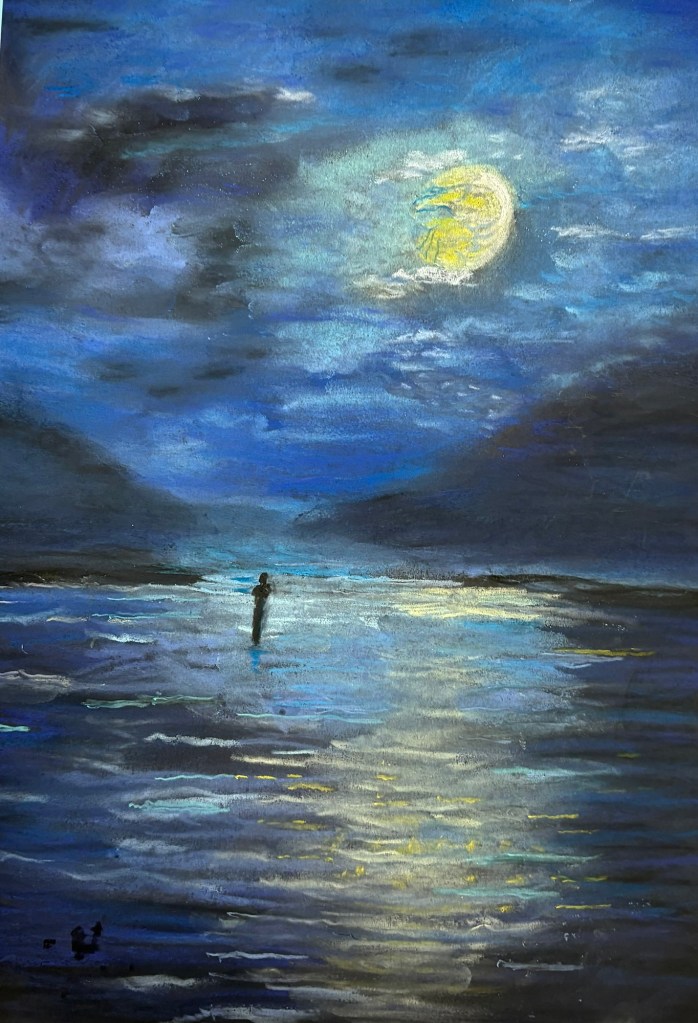
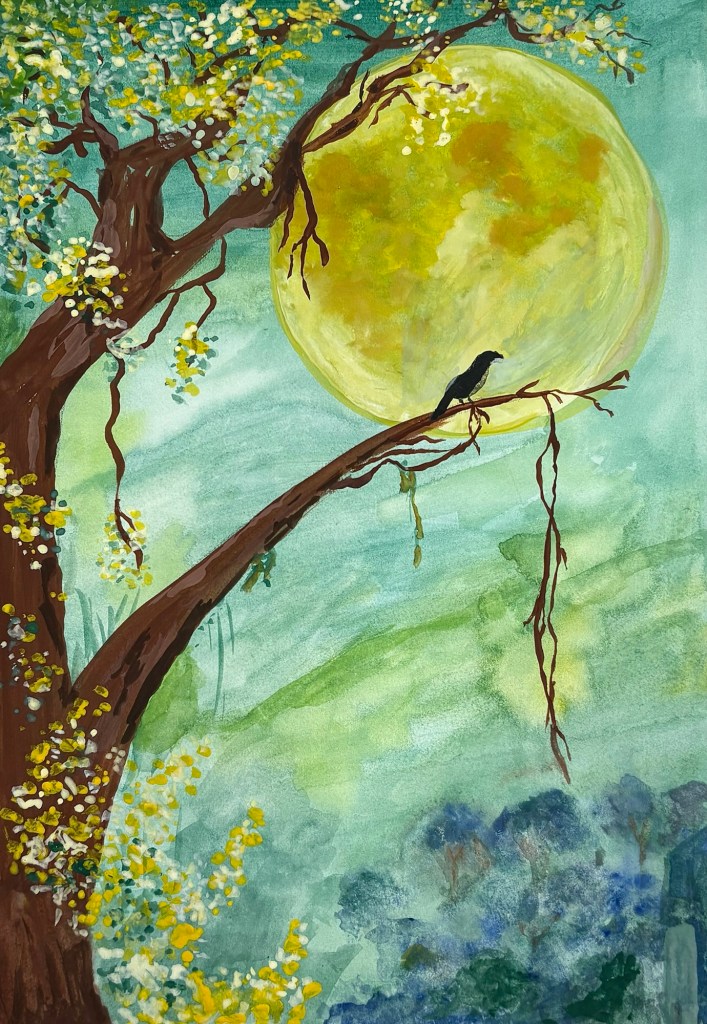
A natural mood lifter , lighter days make us all feel brighter as the trees start to blossom and spring bulbs burst into life. The impact of light extends far beyond simply brightening our surroundings. It plays a fundamental role in our physical well-being, influencing our mood, motivation, and overall psychological health. And while we may not be reproducing our ‘Old Master Chiaroscuro Techniques’; there can be no doubt that with every sunrise, misty morning, hazy hill, and shimmer on a sparkling lake, light is a subject that appeals to us all.
Have a fabulous week
Love Liz at the Beach Hut xx
 Sea Sparkle