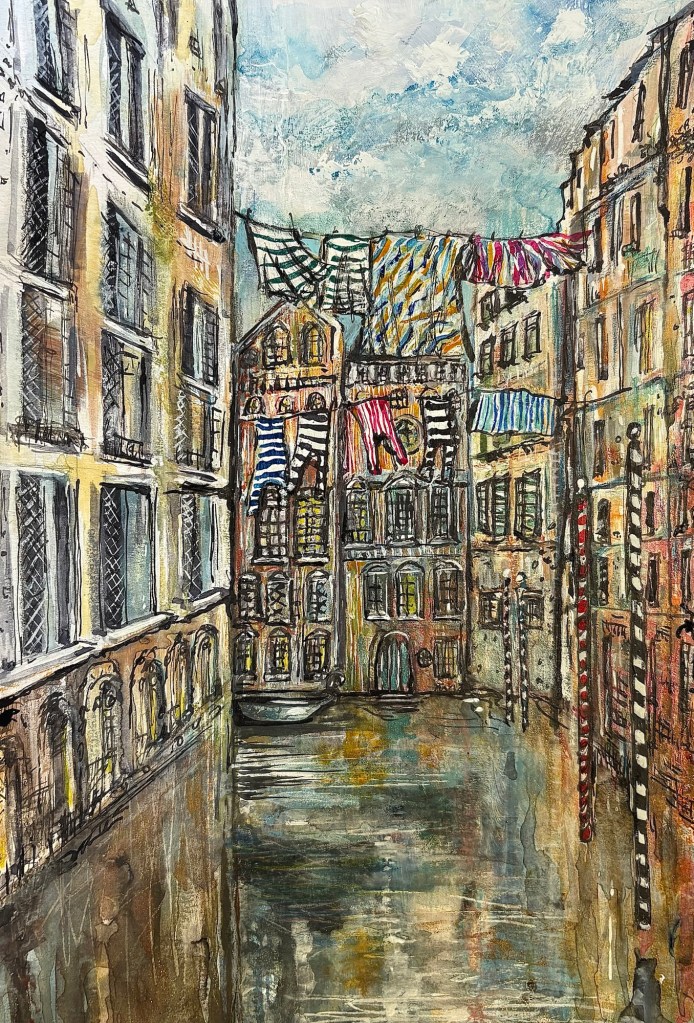
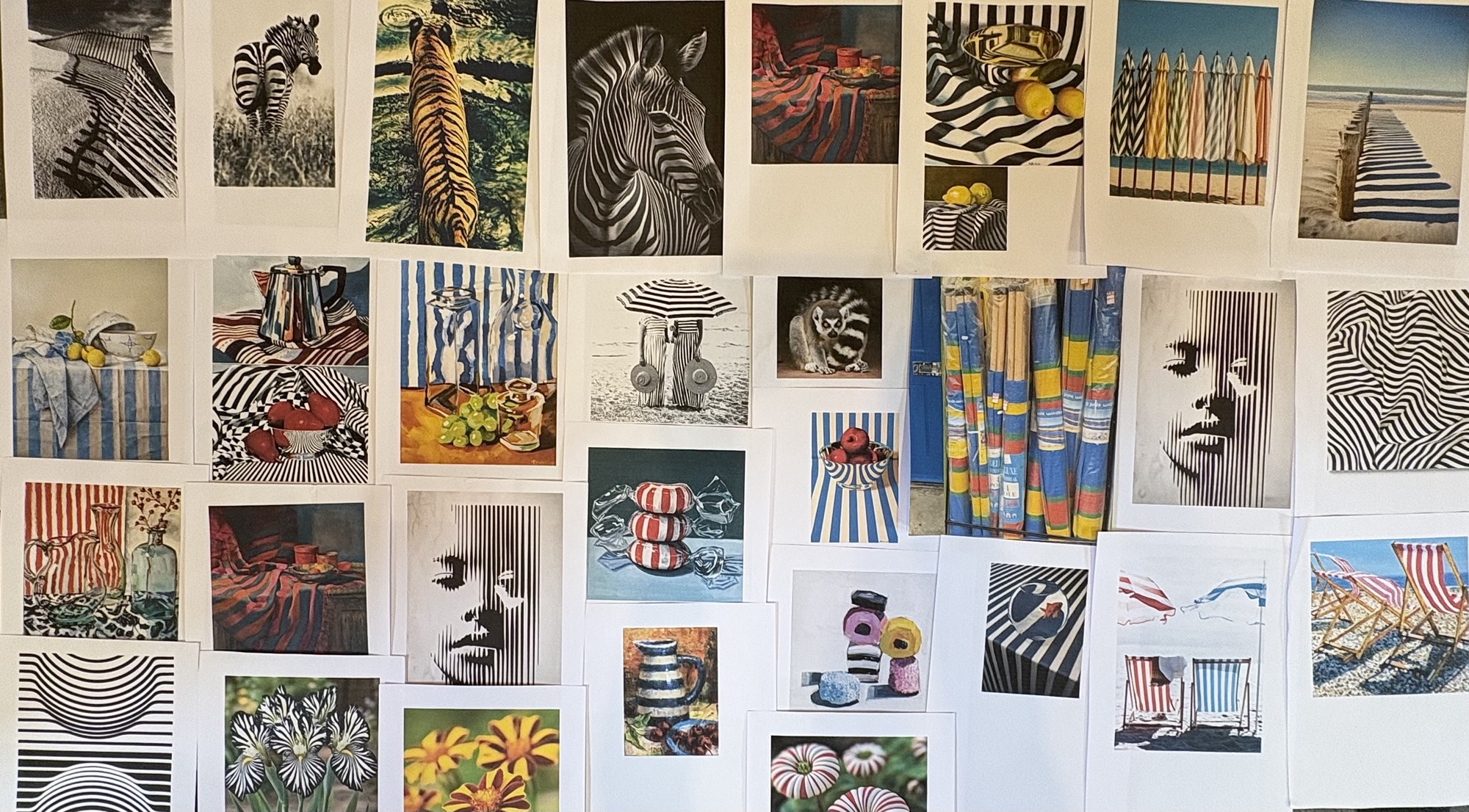
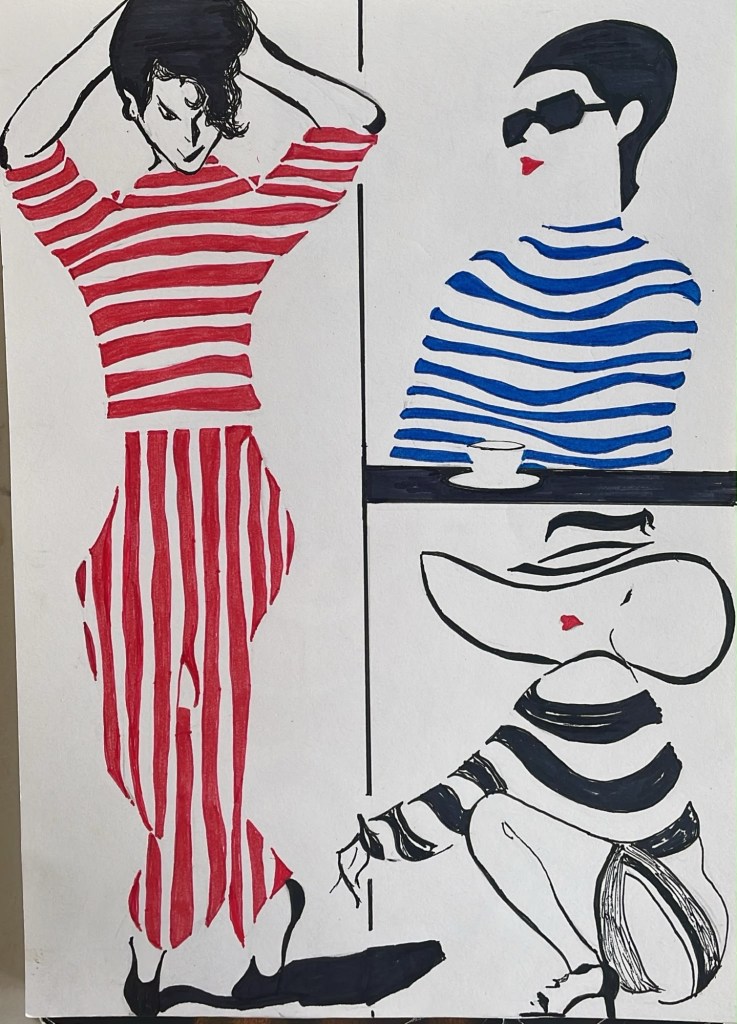
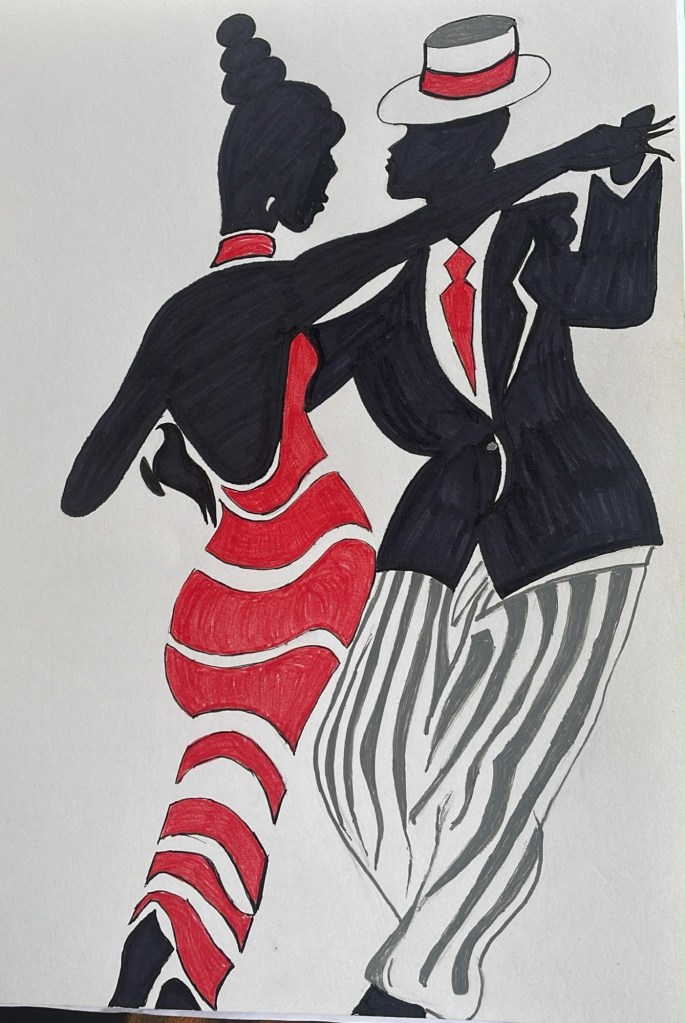
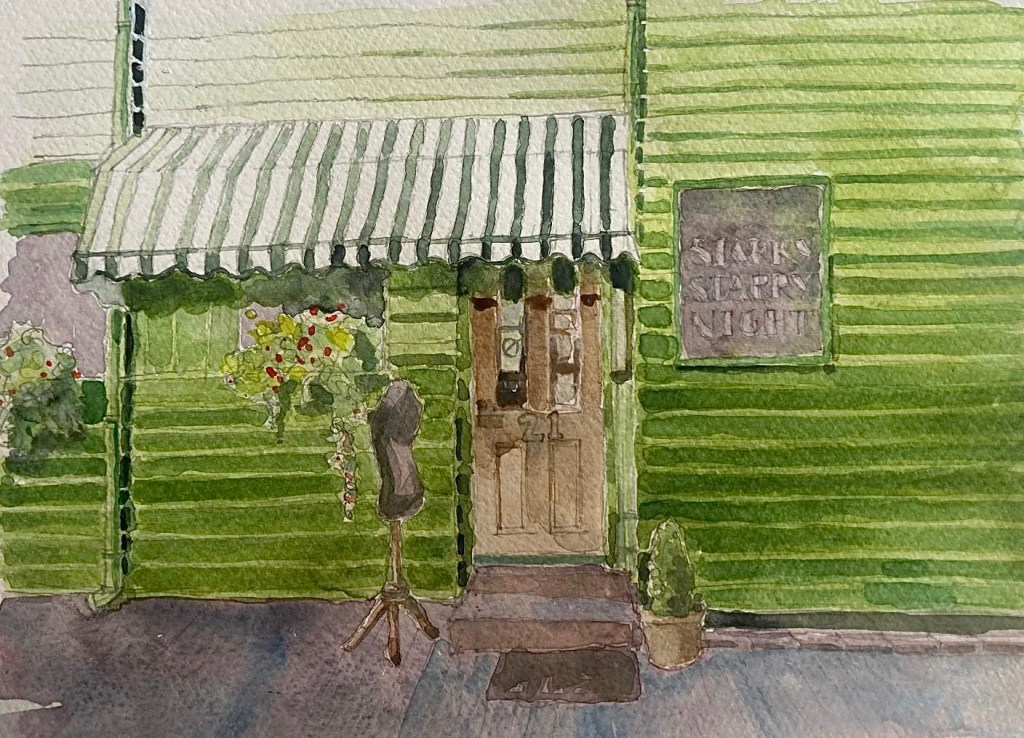
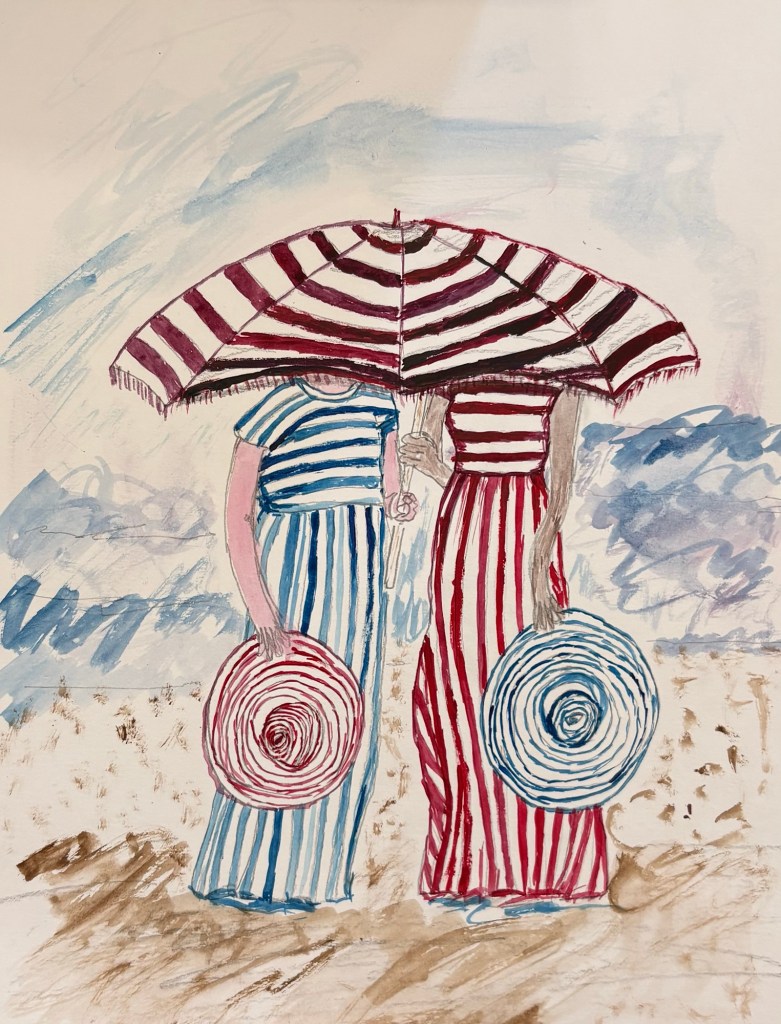
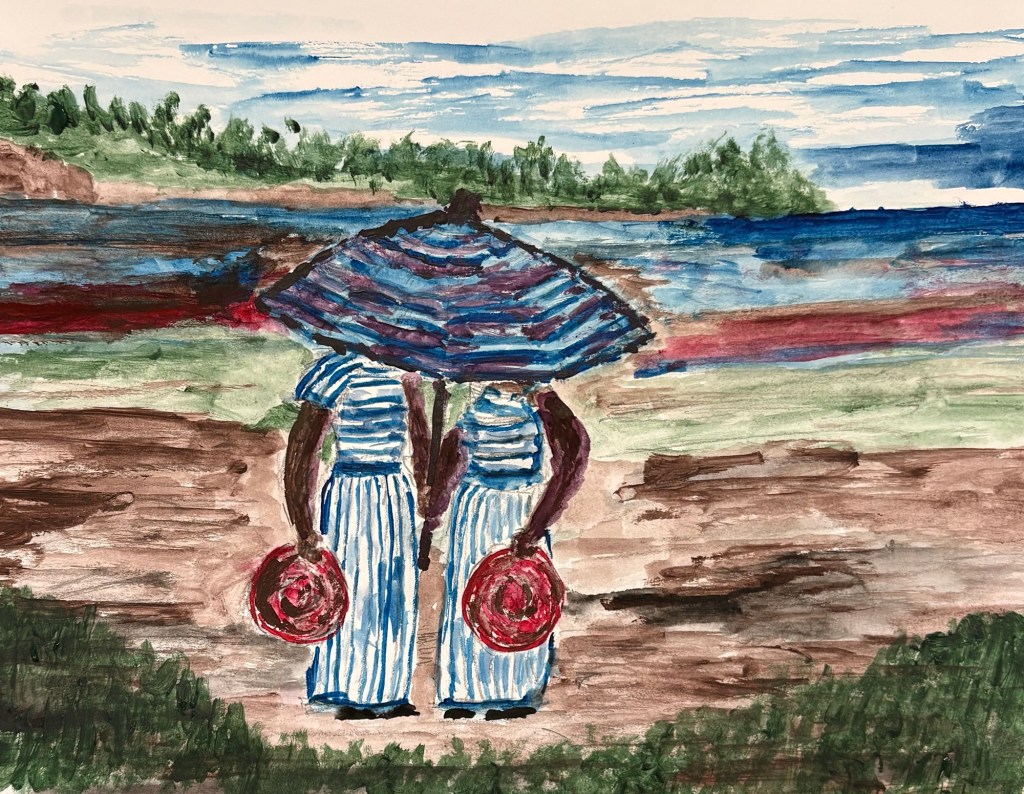
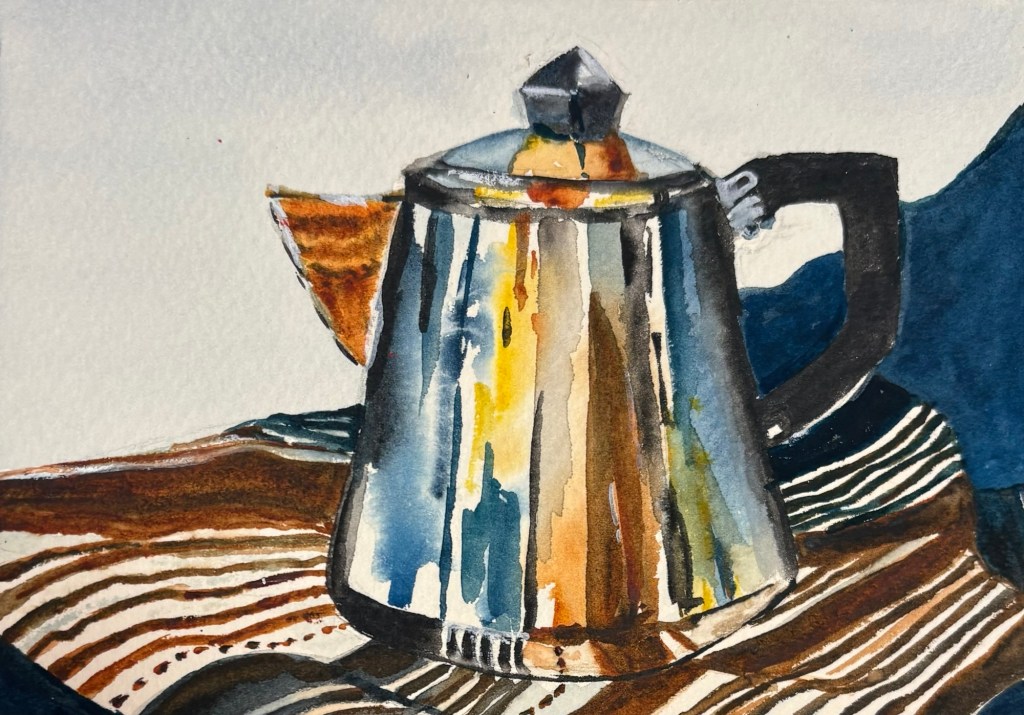
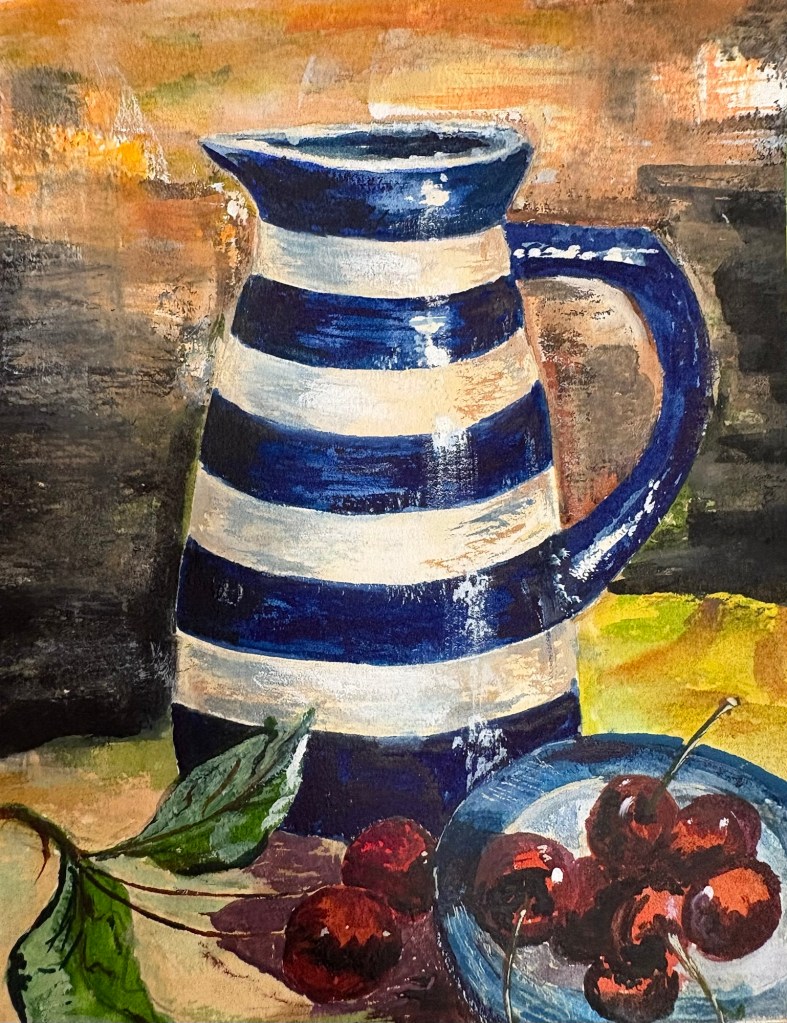
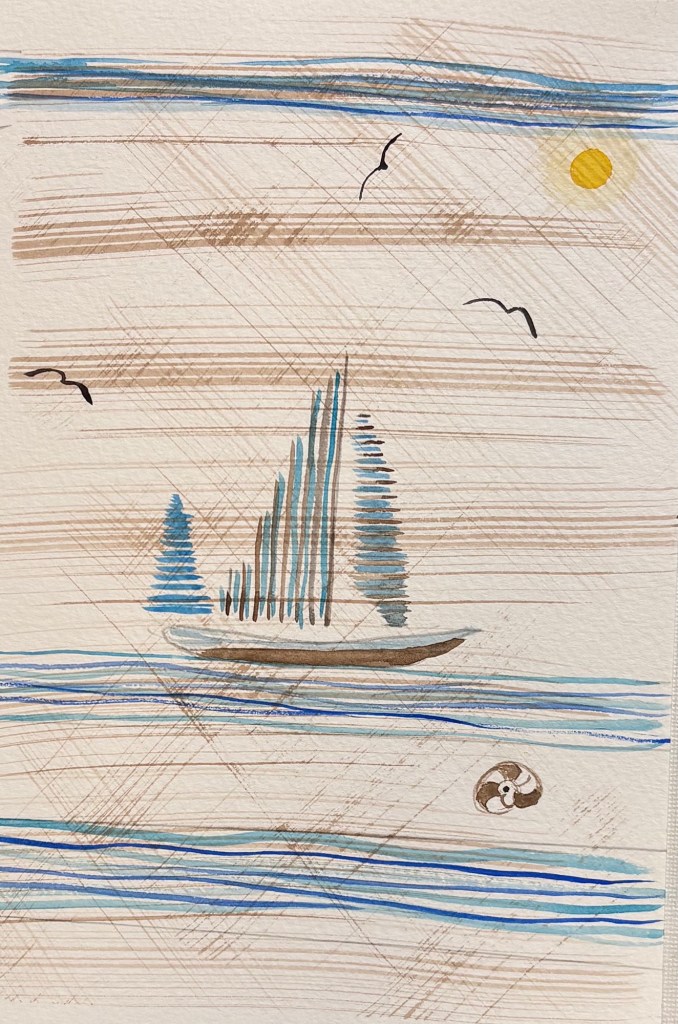
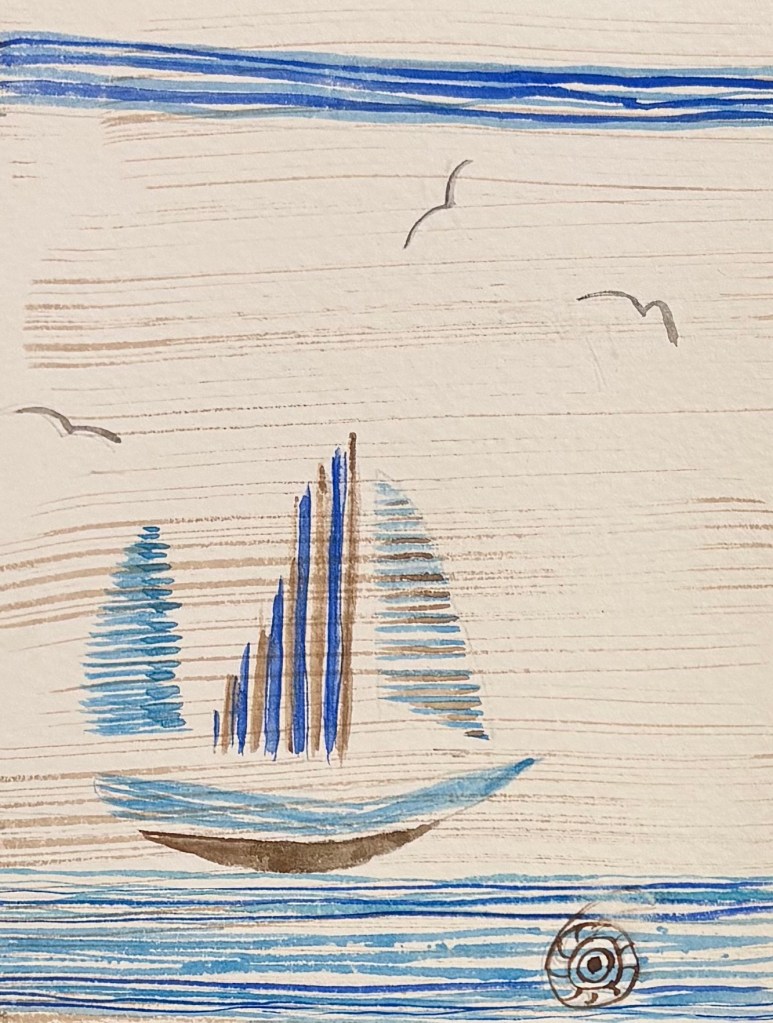
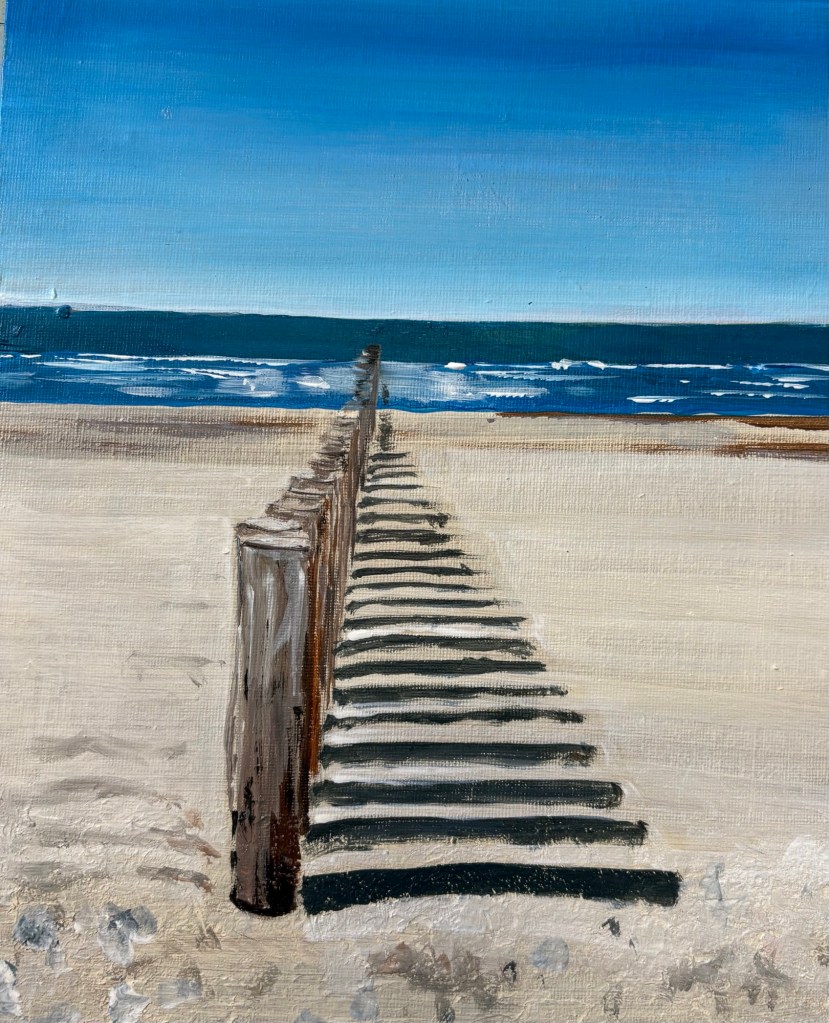
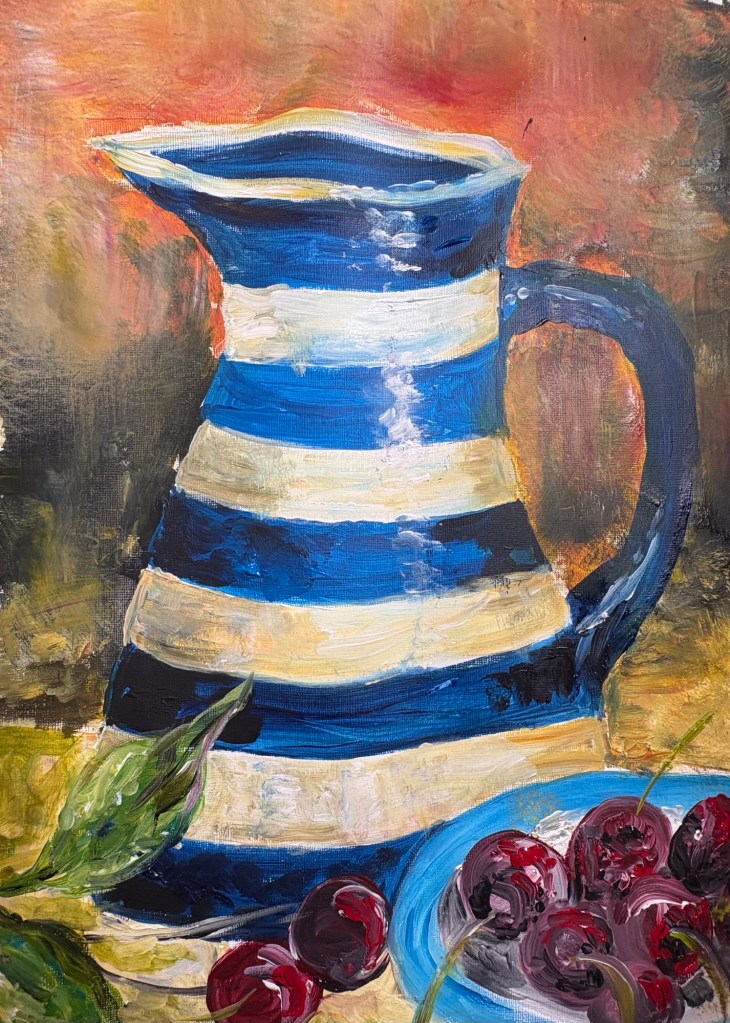
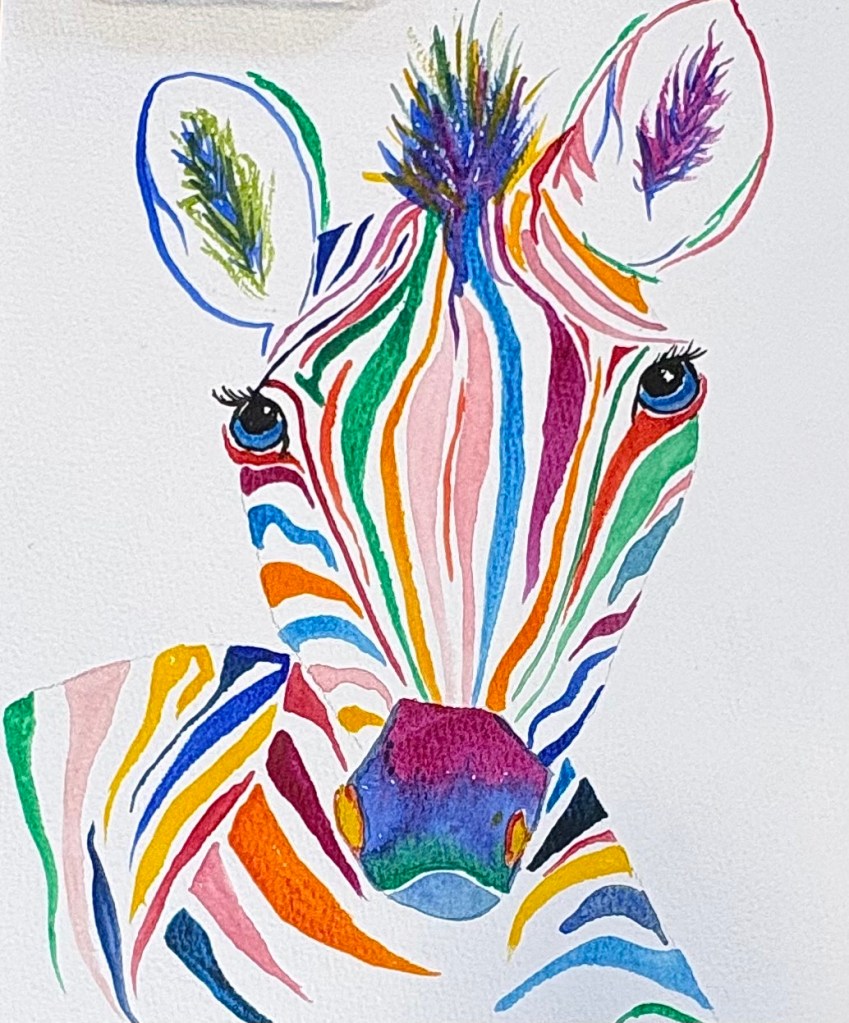
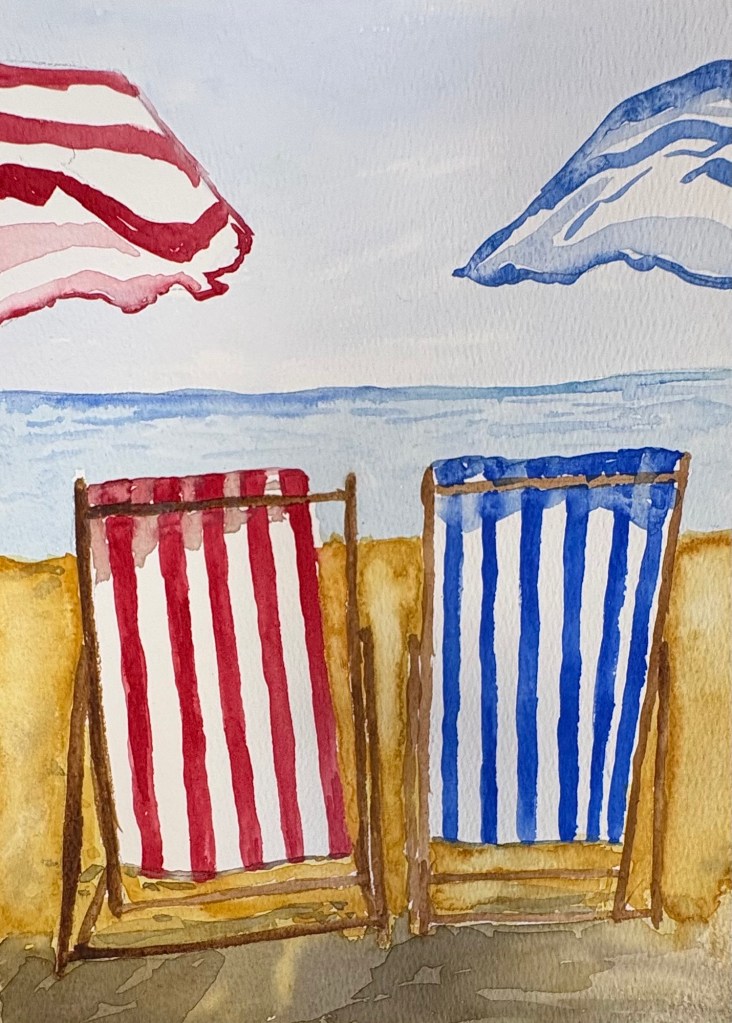
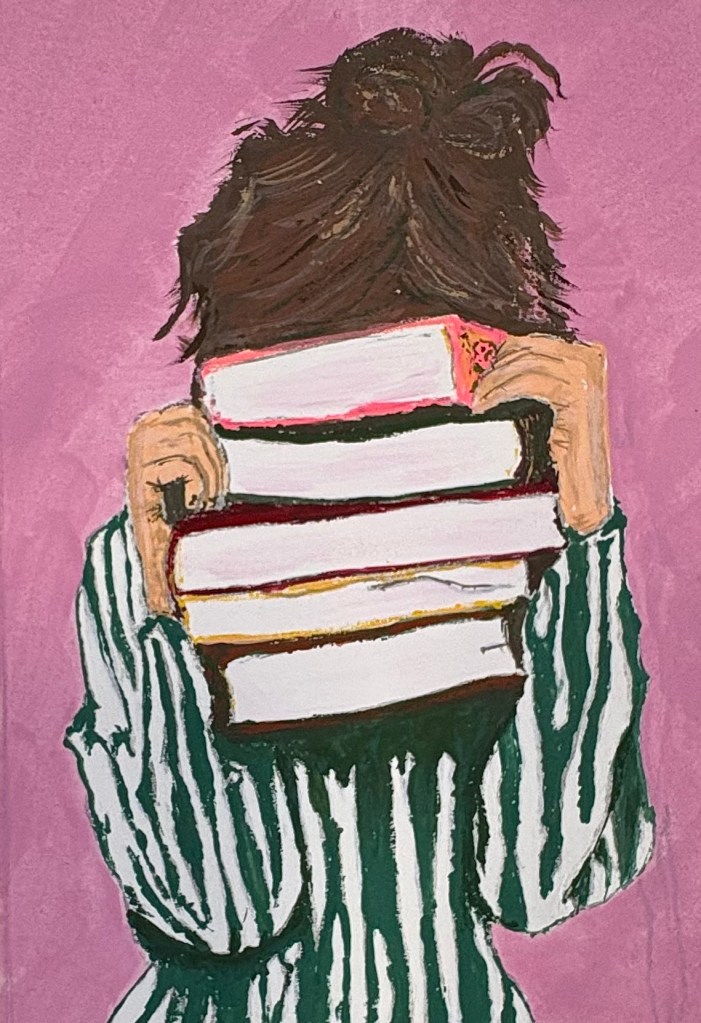
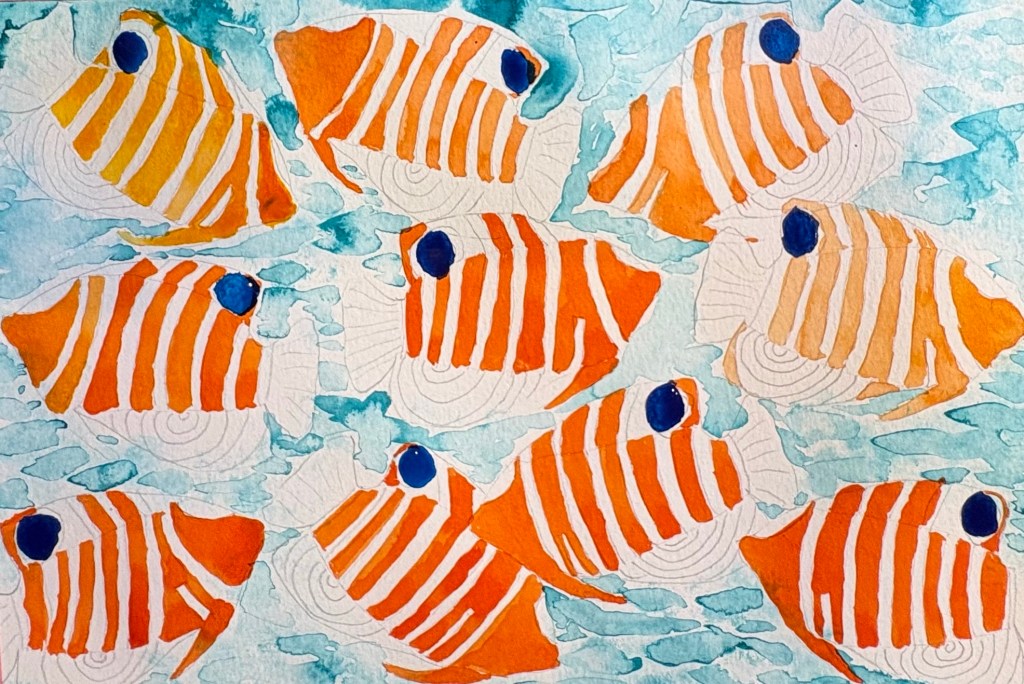
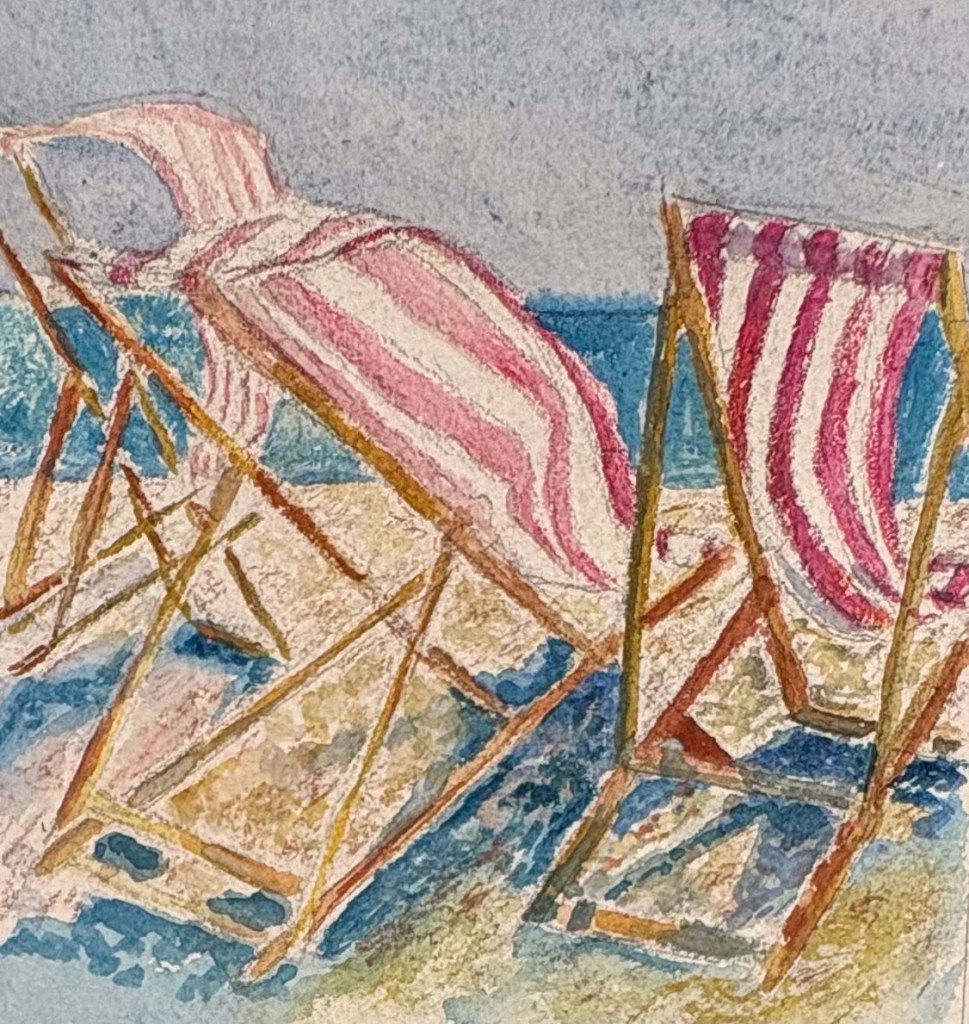
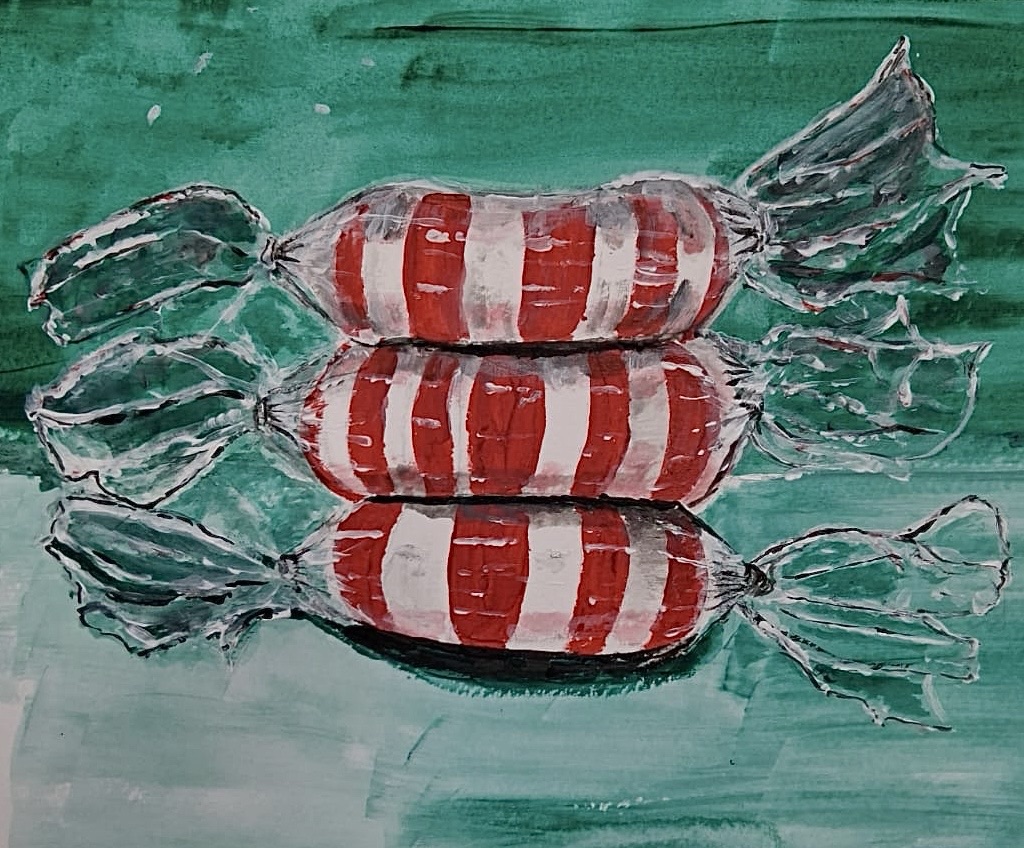
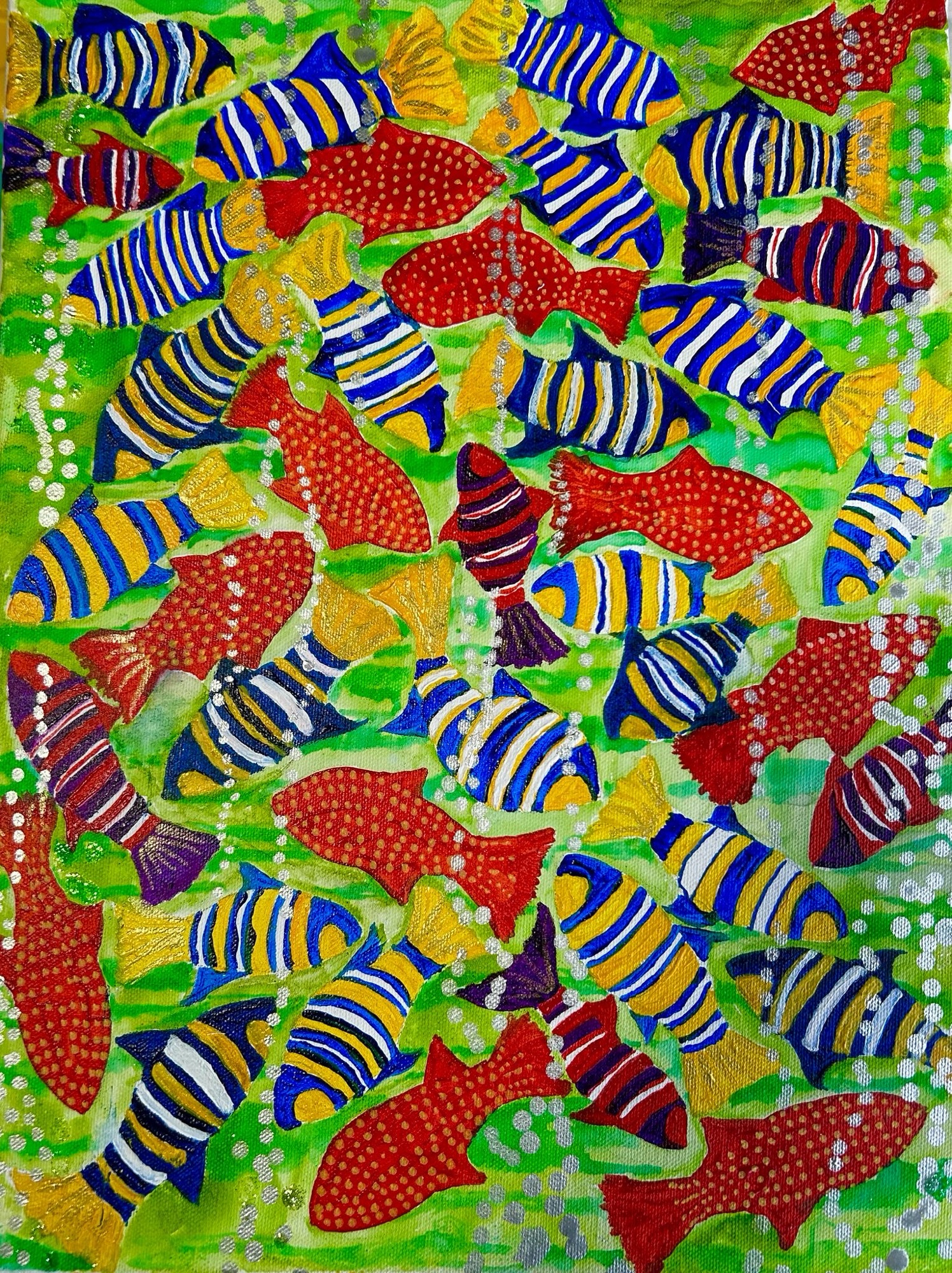
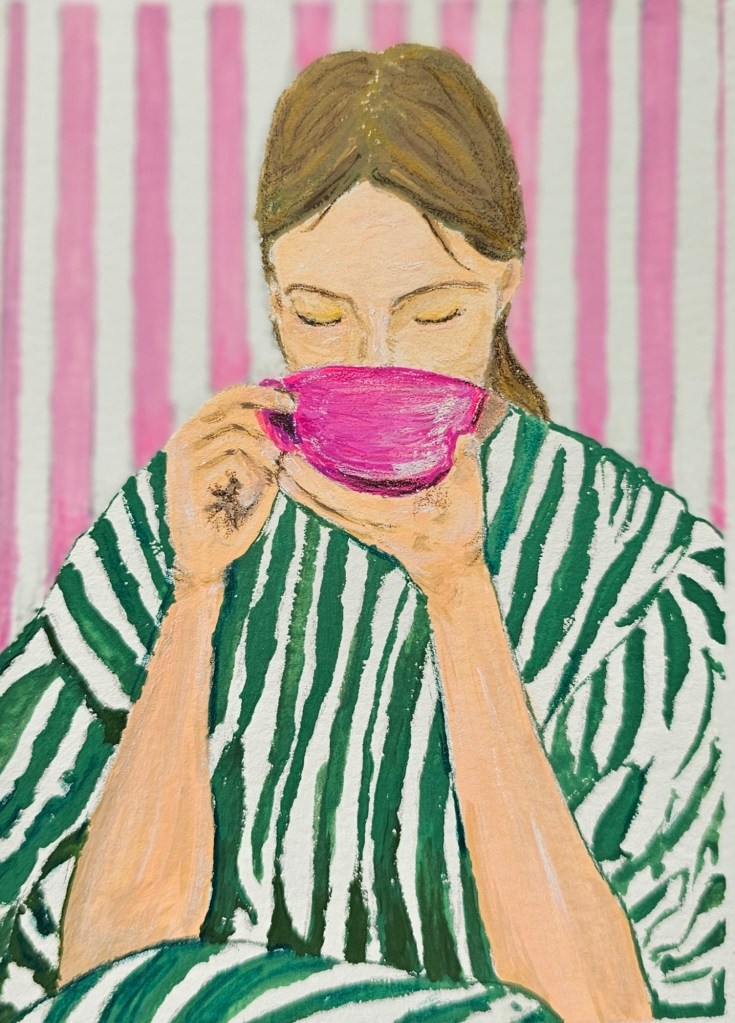
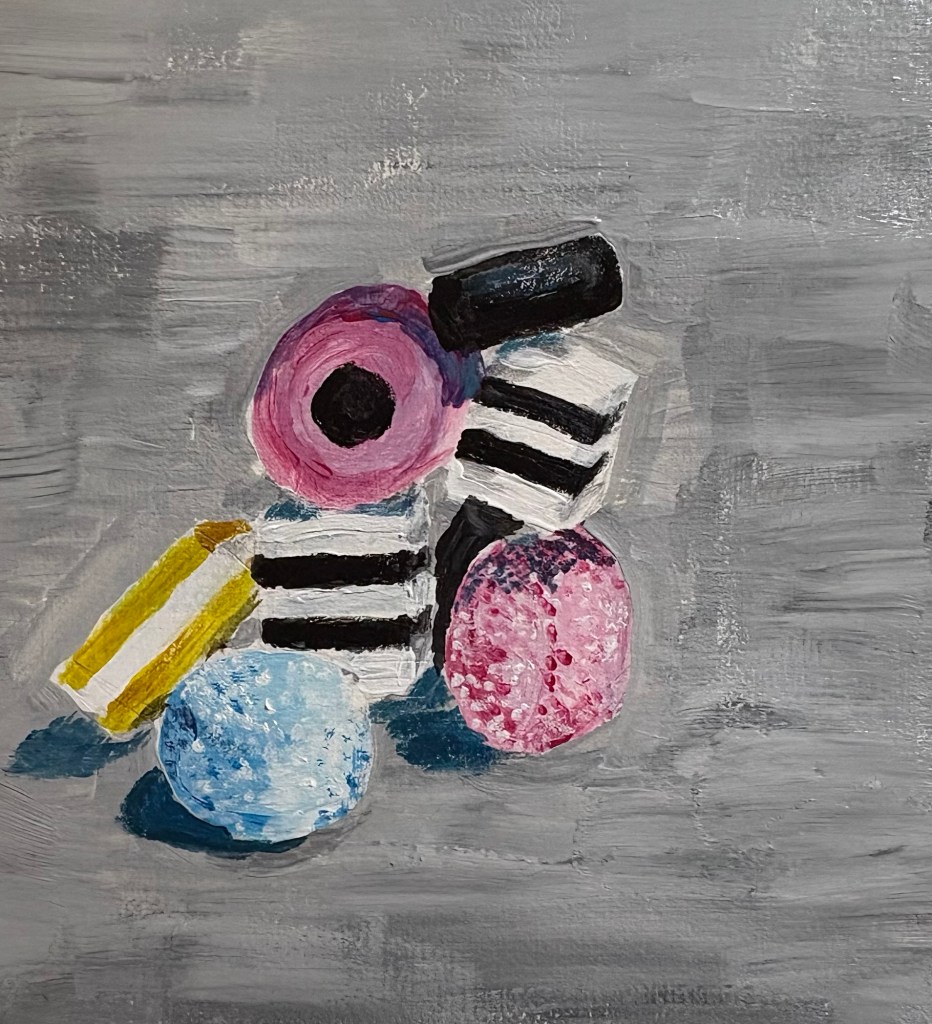
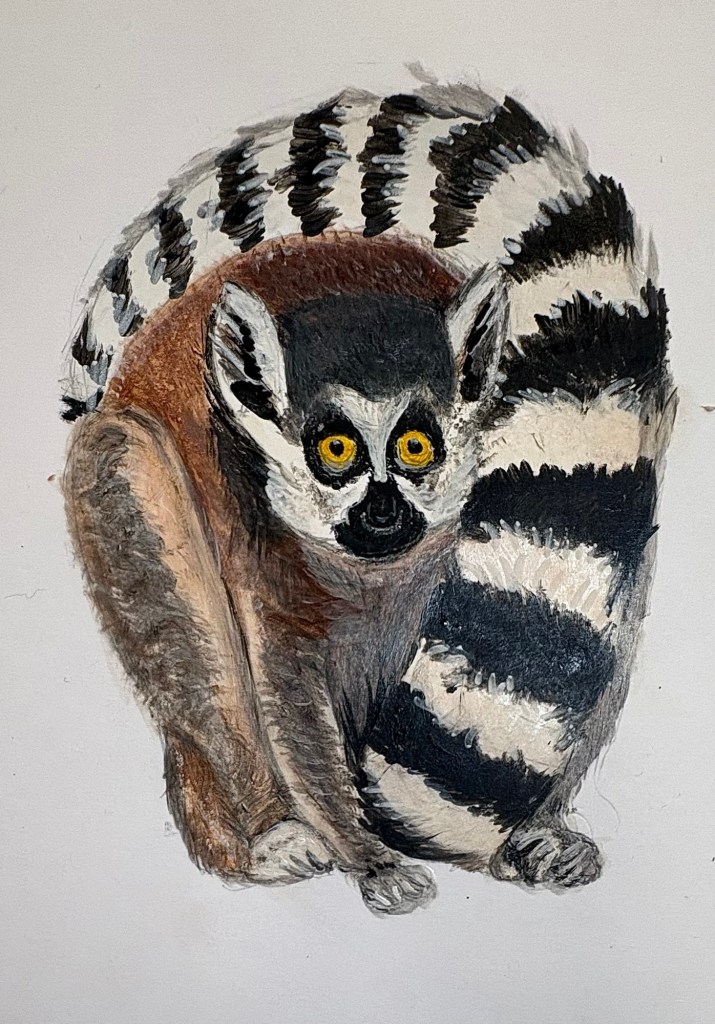
Stripes in art are a powerful visual element used to explore color, rhythm, and abstraction, with a rich history from ancient decorative motifs to modern and contemporary painting.
Historical Context
Stripes have been part of human culture for thousands of years, found in textiles, pottery, and architecture, showing a natural appeal for rhythm and order. In medieval Europe, stripes often indicated social outcasts or prisoners. By the 18th century, they became popular decorative patterns in upholstery, clothing, and wall coverings, including the regency stripe from India. The 20th century saw stripes emerge as a key element in modern art, shaped by abstraction and minimalism.
Stripes in Modern and Contemporary Art
Stripe paintings gained popularity in the 20th century, especially in abstract and minimalist art. Artists like Barnett Newman used vertical stripes to create harmony and depth, as seen in his 1967 piece Voice of Fire, featuring three vertical stripes that evoke strong emotions and visuals. Sean Scully incorporated rhythmic stripes and rectangles in his Wall of Light series, reflecting natural landscapes and light through color and pattern. Bridget Riley, a key figure in Op Art, explored visual effects using variations in stripe width and color to create engaging rhythms. Gene Davis is known for his color field stripe paintings that highlight parallel color bands as the main compositional element.
Conceptual and Visual Significance
Stripes in art are not just for decoration; they help explore geometry, spatial perception, and color theory. The repetition and variety of stripes can create calm or dynamic energy, guiding the viewer’s eye across the canvas. They let artists play with proportion, rhythm, and optical effects, balancing simplicity and complexity. Techniques range from precise masking to freehand painting, and stripes can be made in various media like acrylics, oils, and neon lights.
Styles and Patterns
Stripes come in various types, including vertical arrangements, candy stripes, Bayadere stripes, and barcode patterns. Each type plays with width, color, and direction to create different visual and emotional impacts, showcasing the versatility of stripes in design.
Conclusion
Stripes in art showcase a blend of history, creativity, and ideas. From ancient patterns to contemporary styles and optical art, stripes challenge how we see, stir emotions, and motivate artists through the ages.
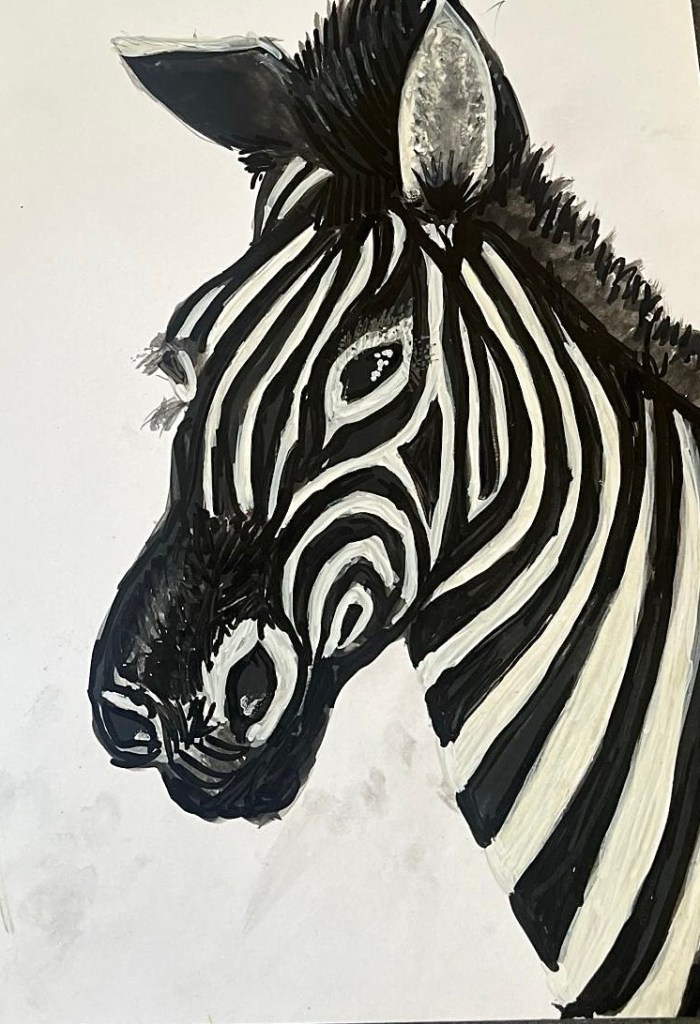
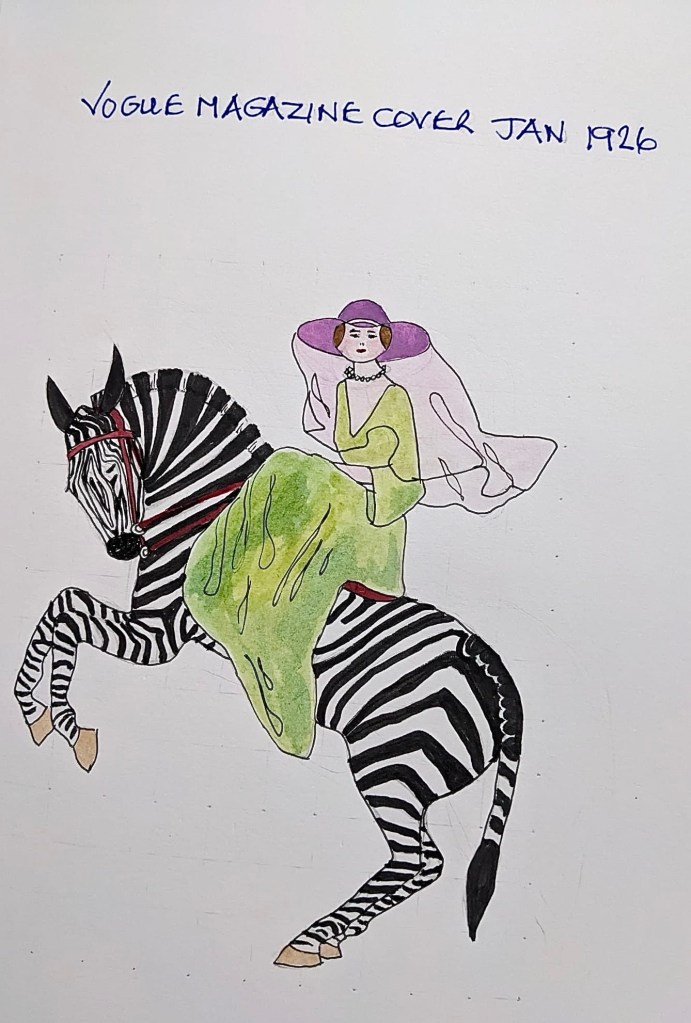
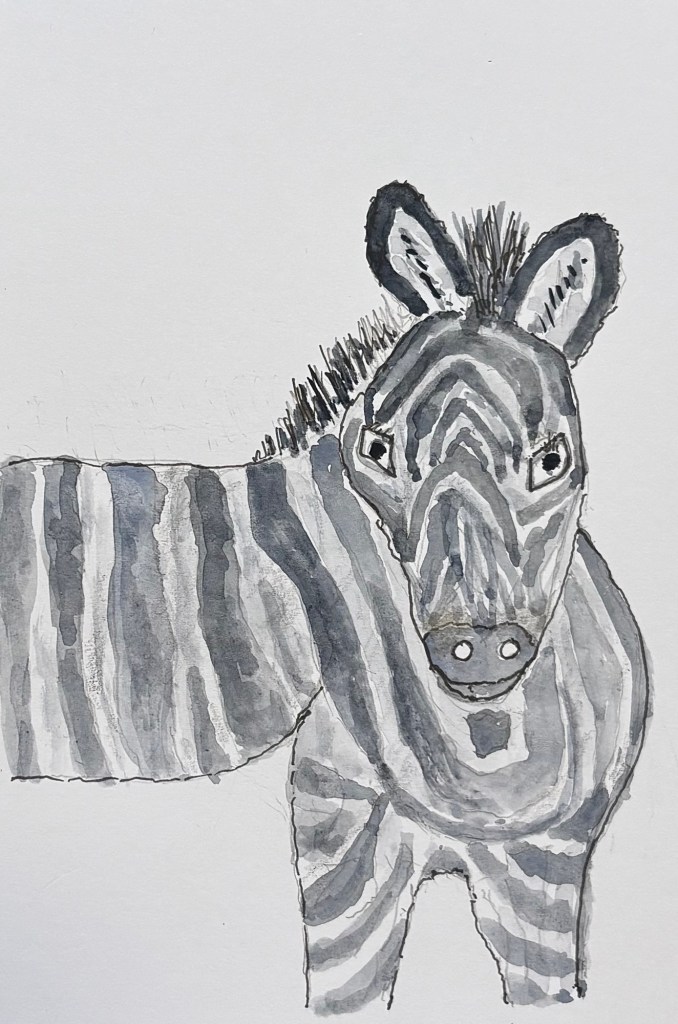
…And it’s good enough for a zebra…..
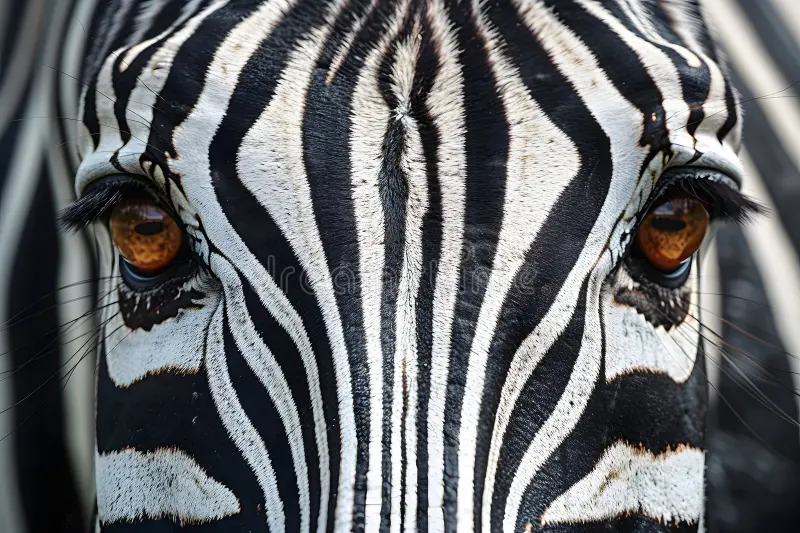
Have a wonderful week everyone..
Love Liz at the Beach Hut xx

