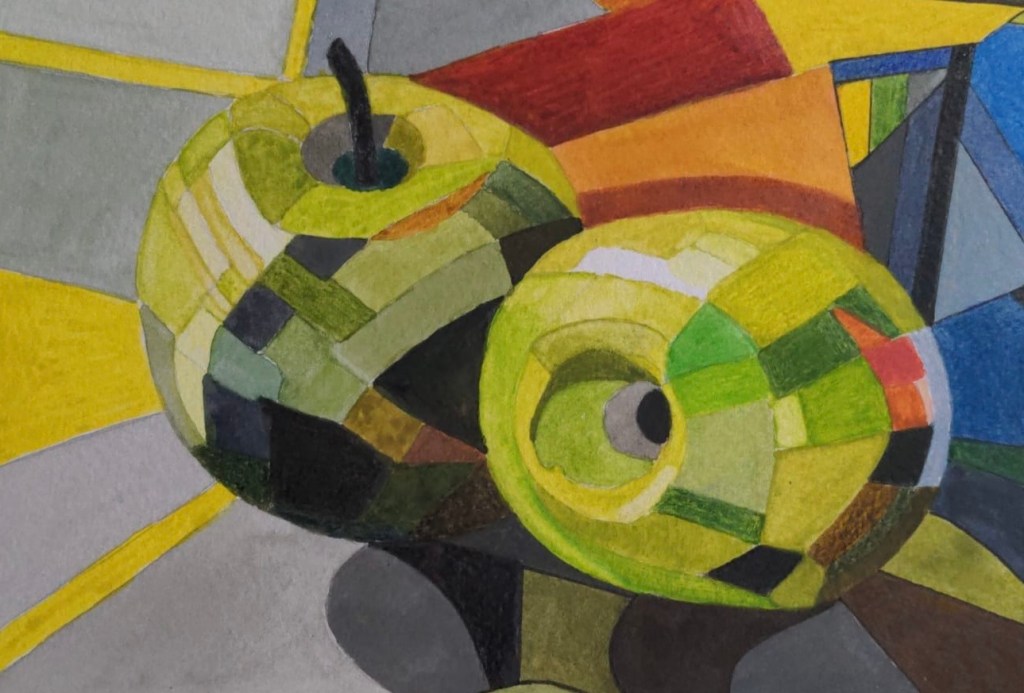
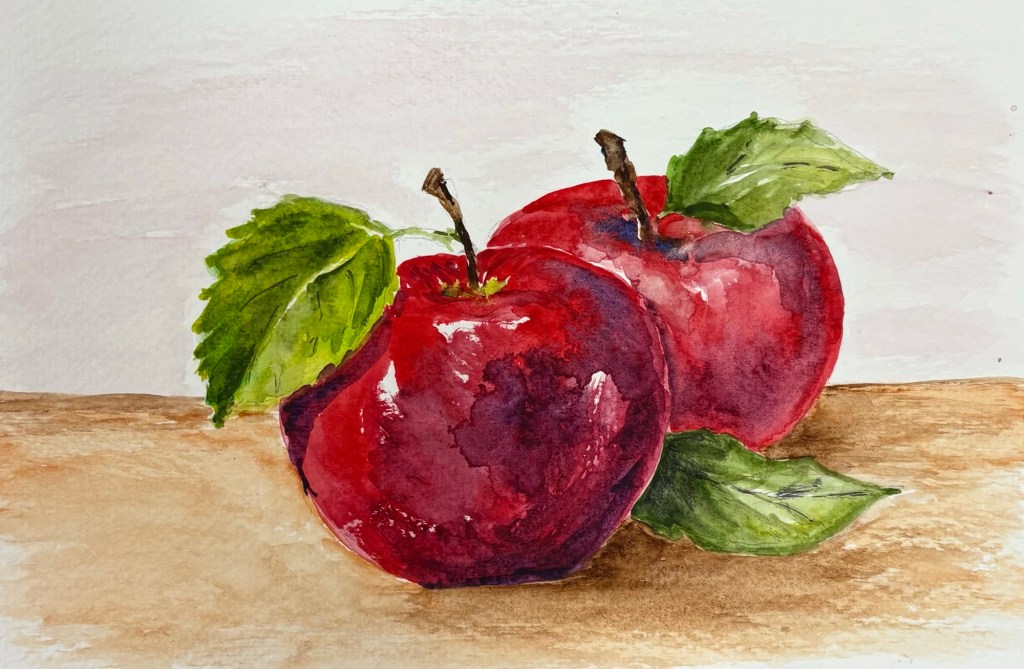
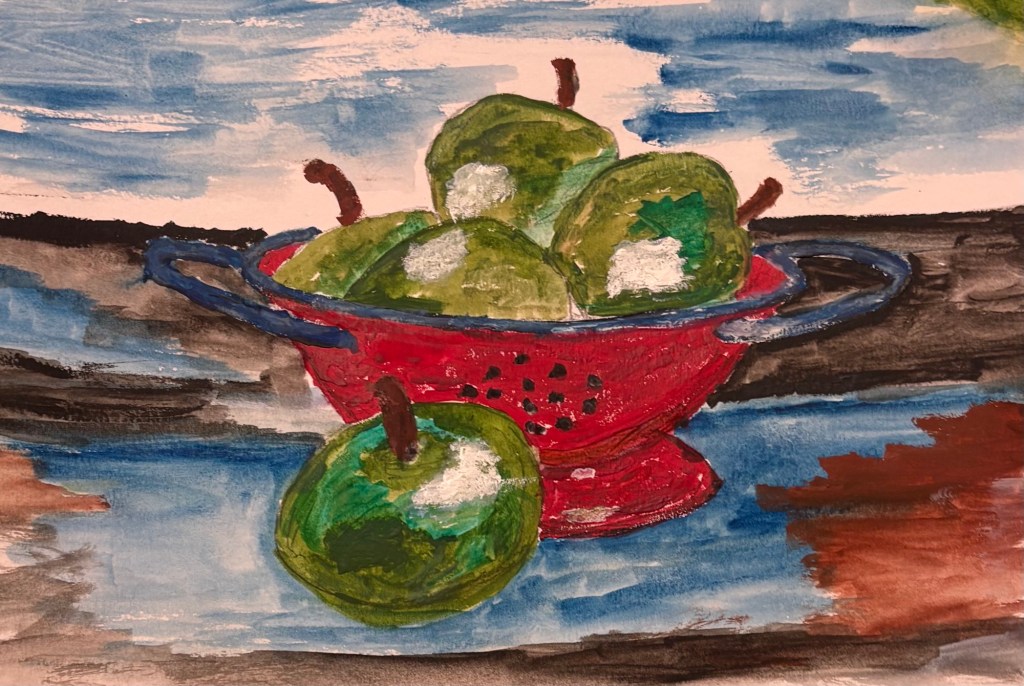
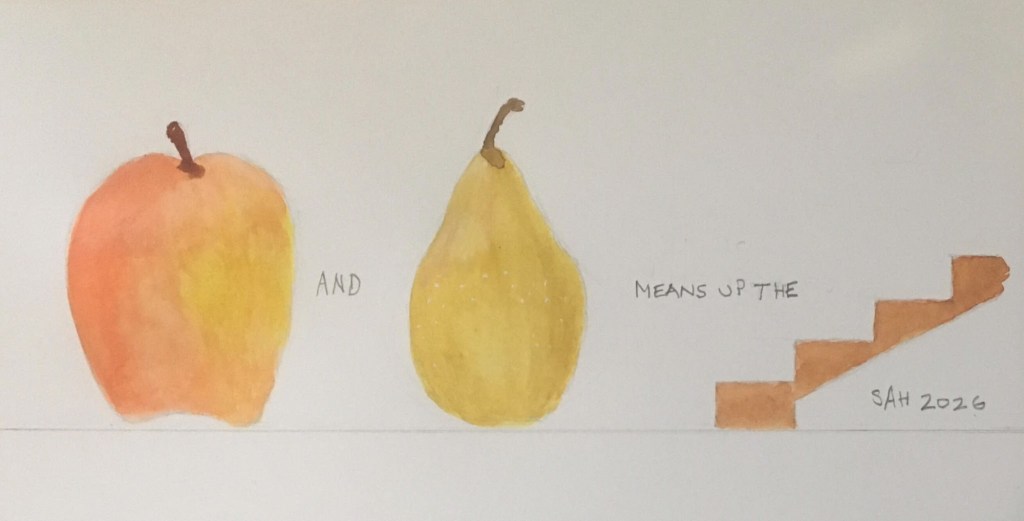
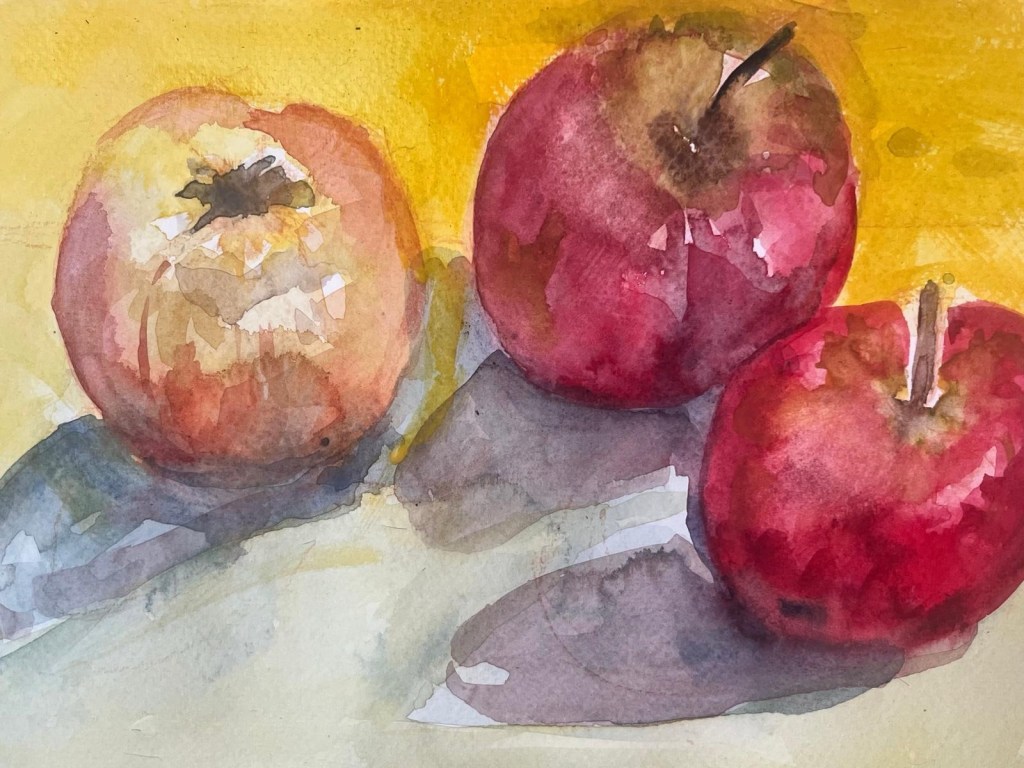
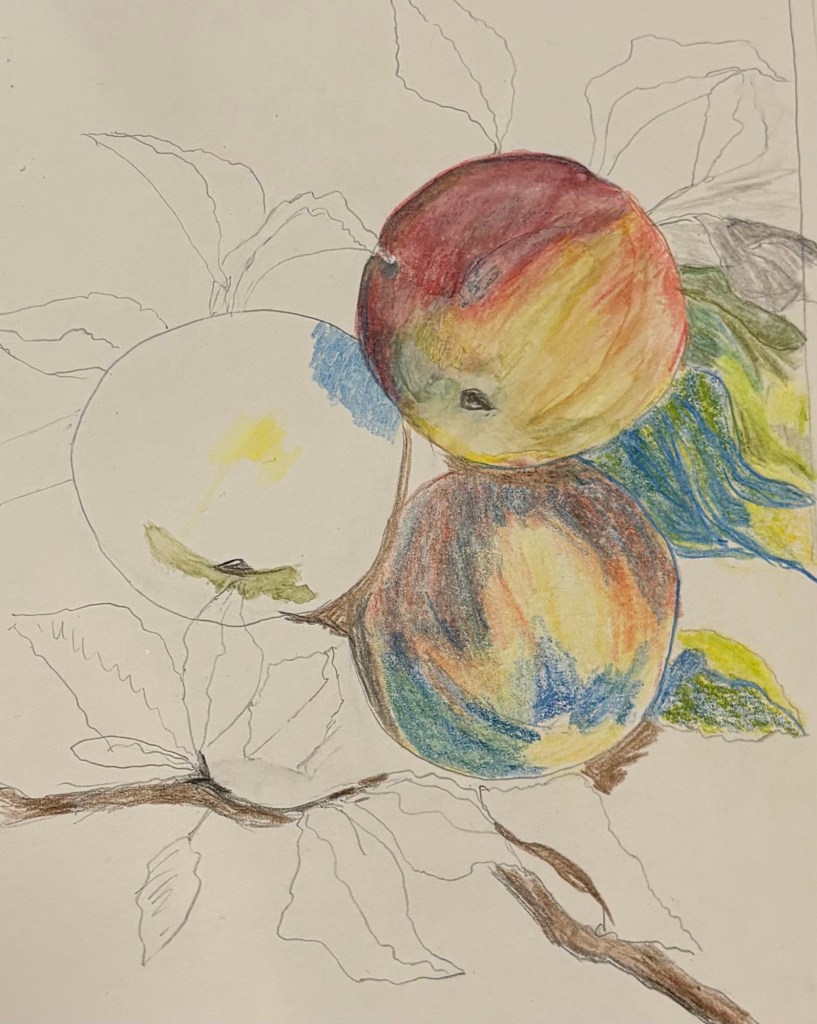
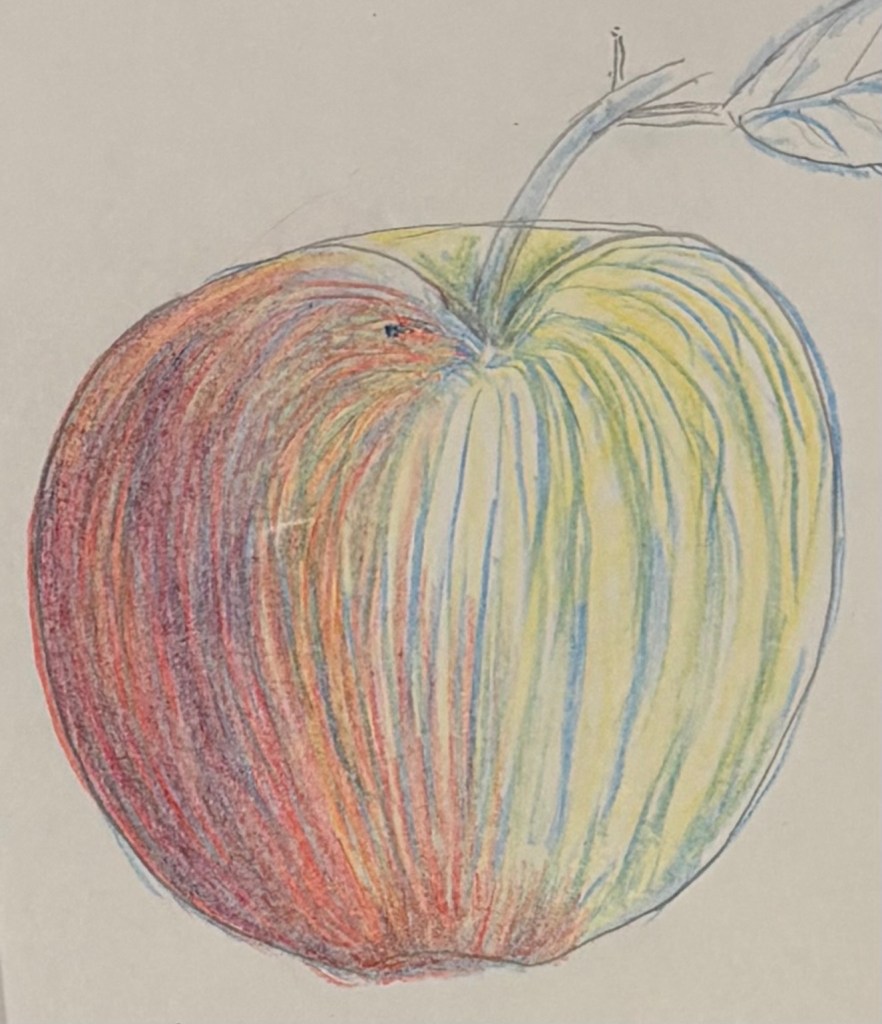
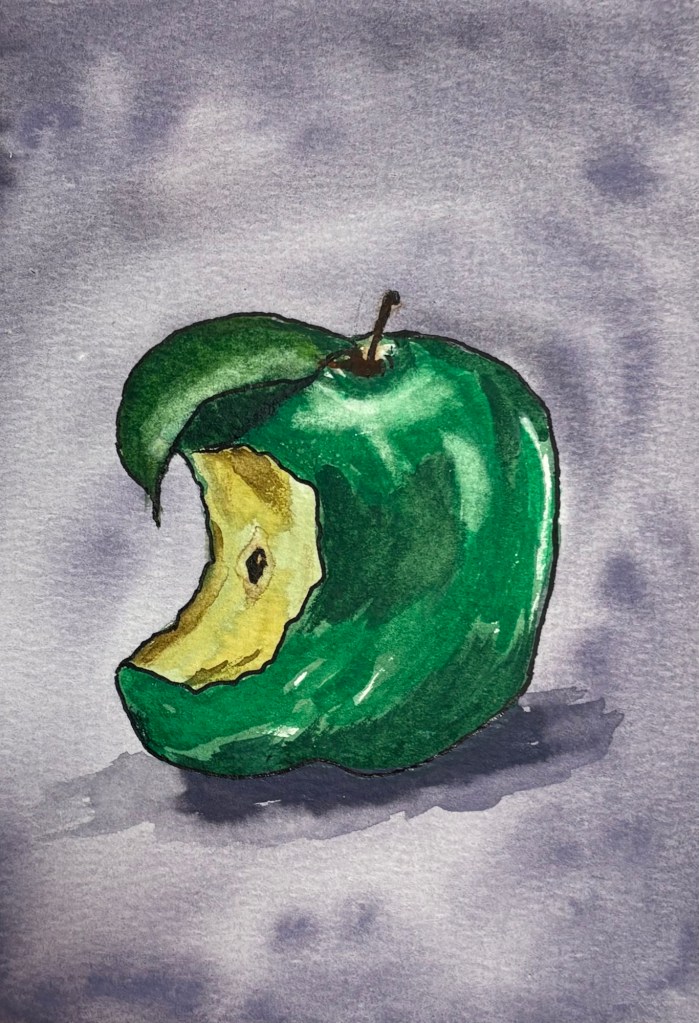
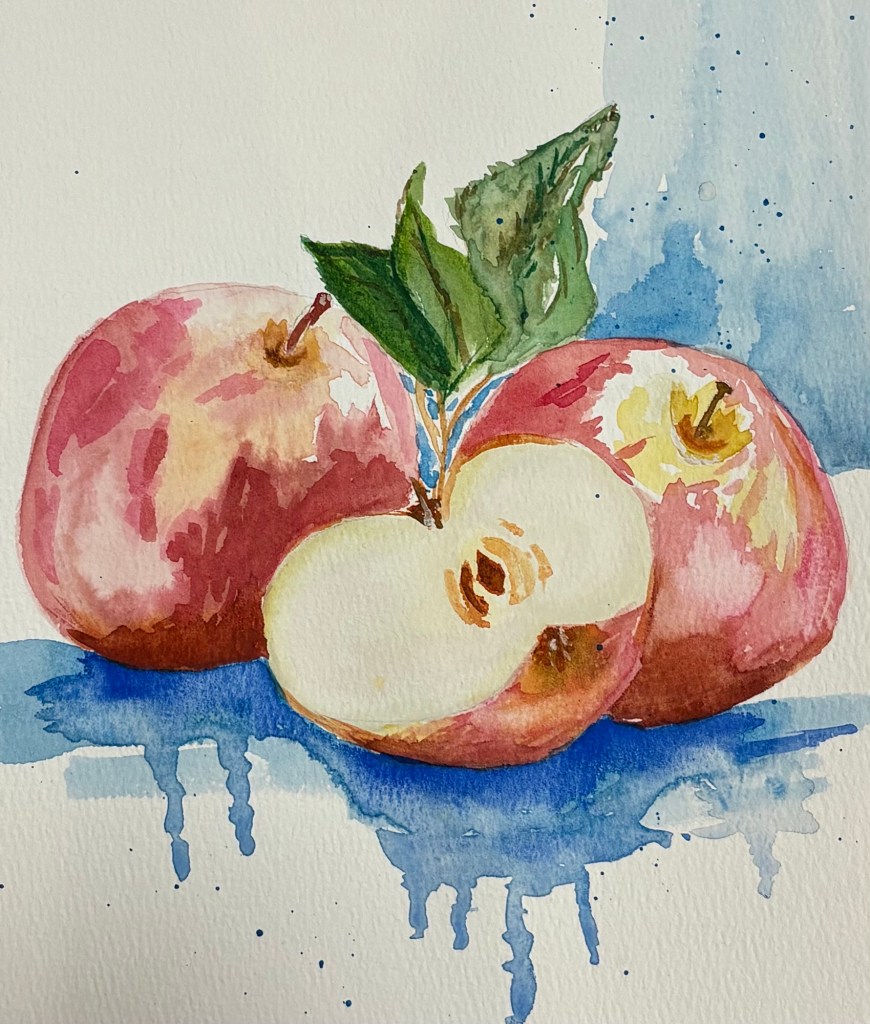
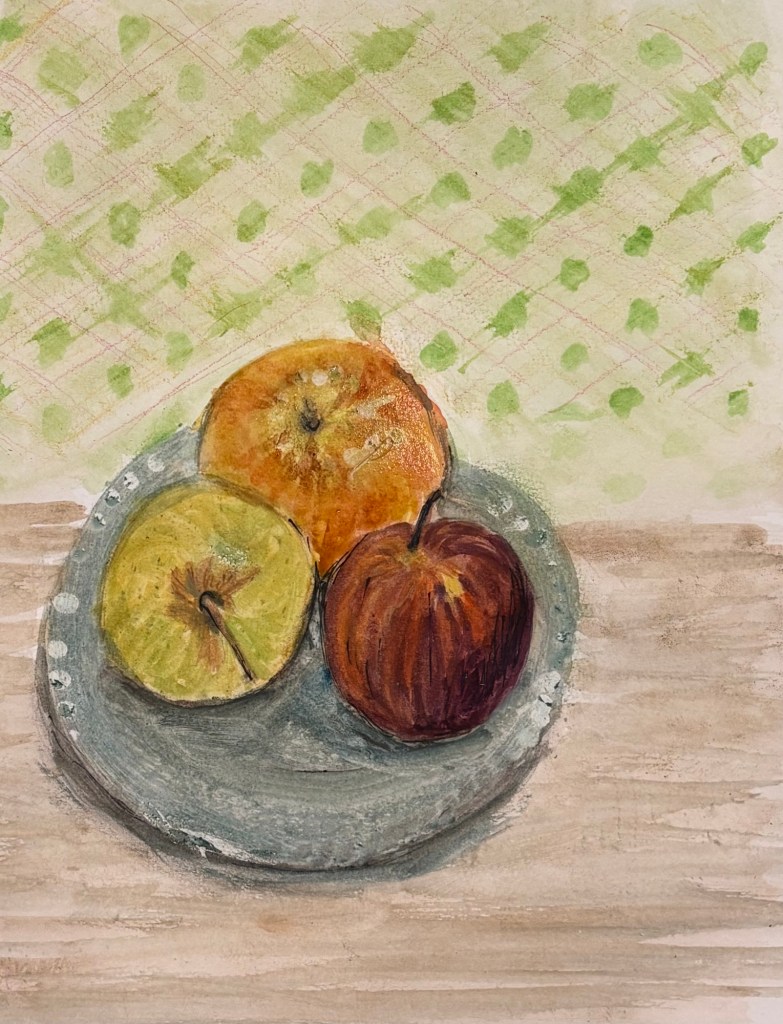
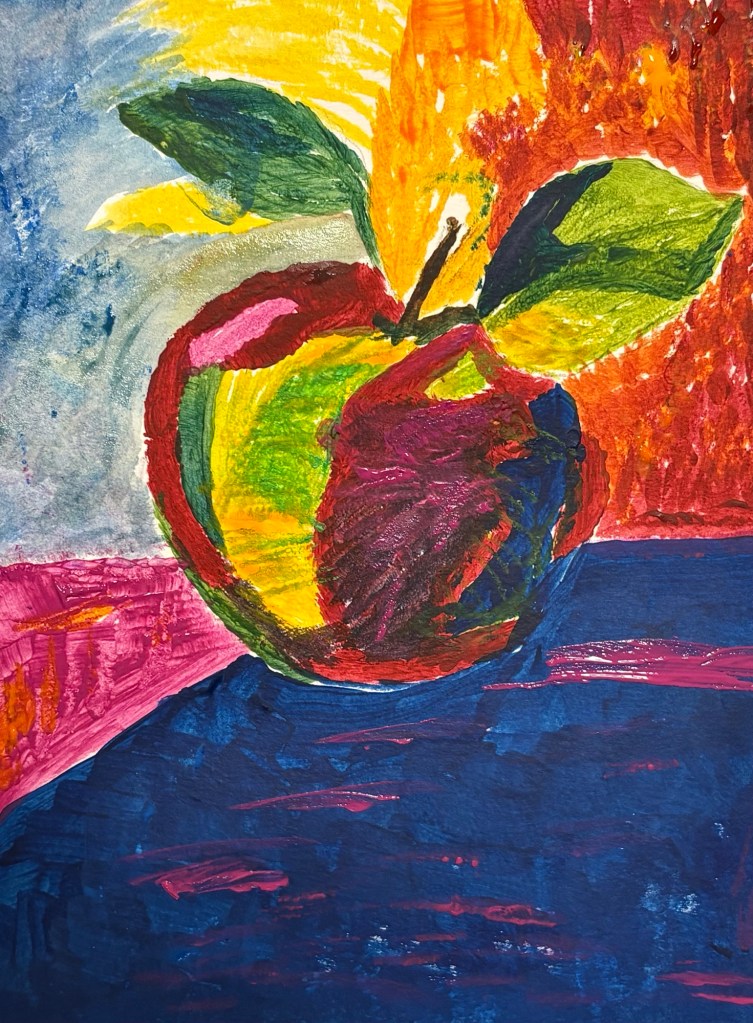
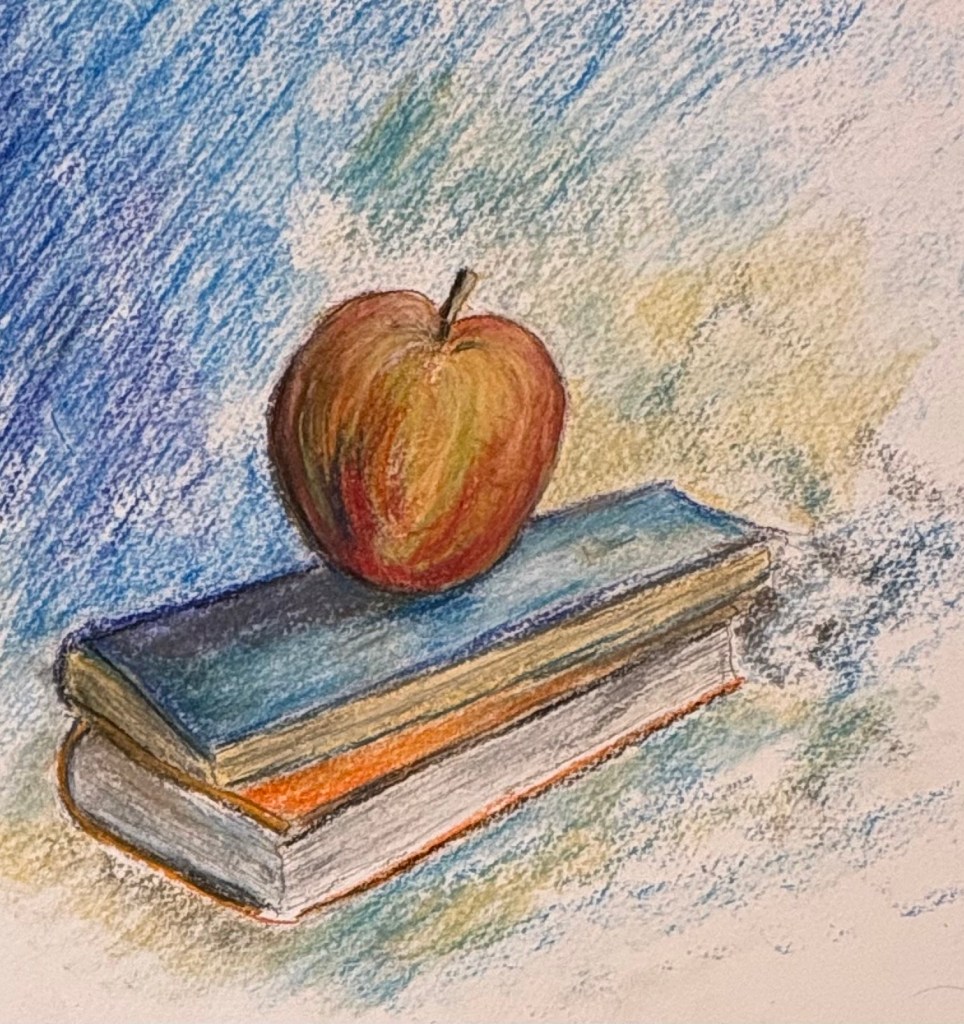
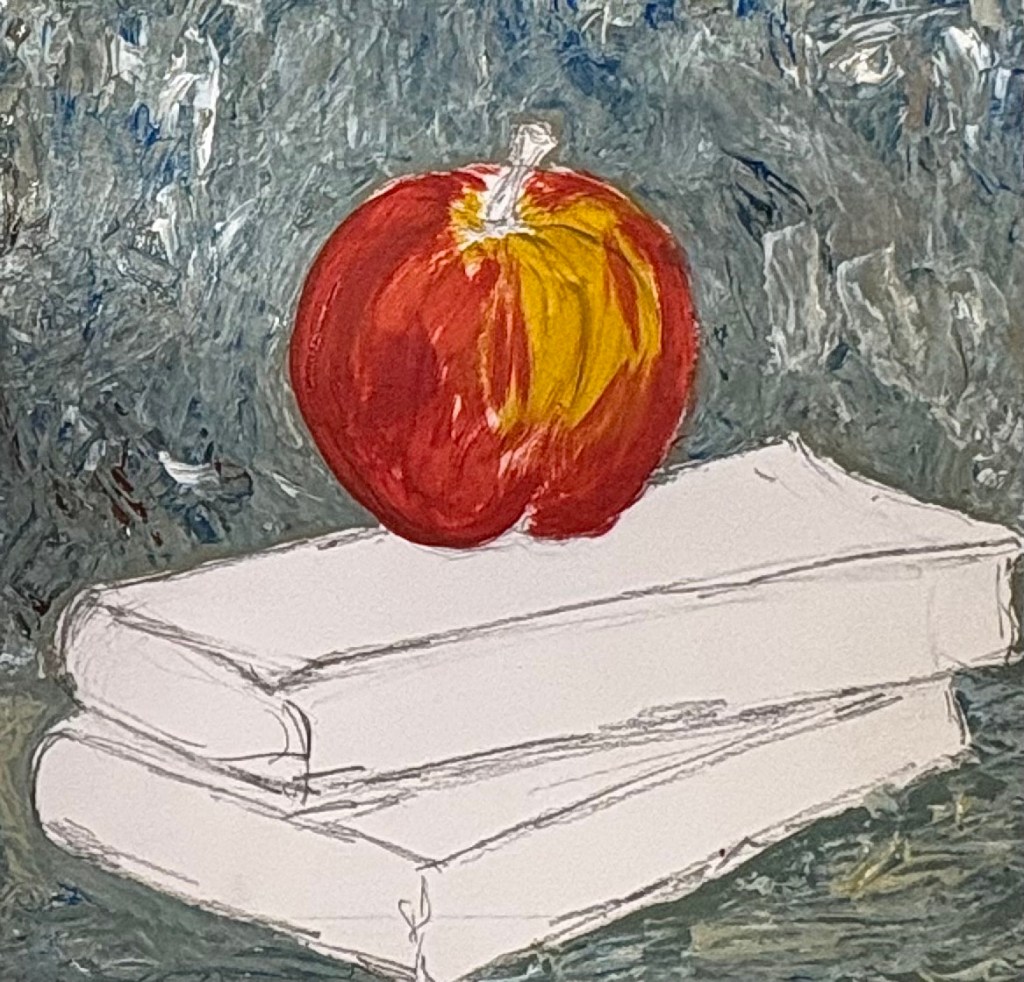
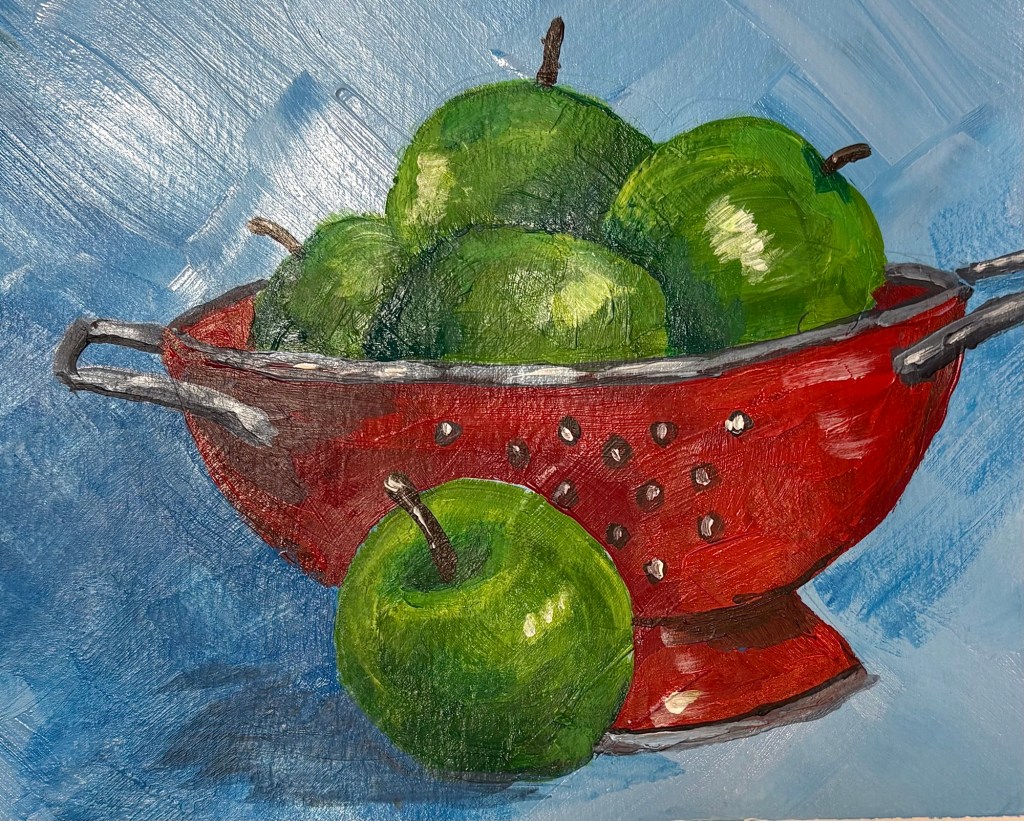
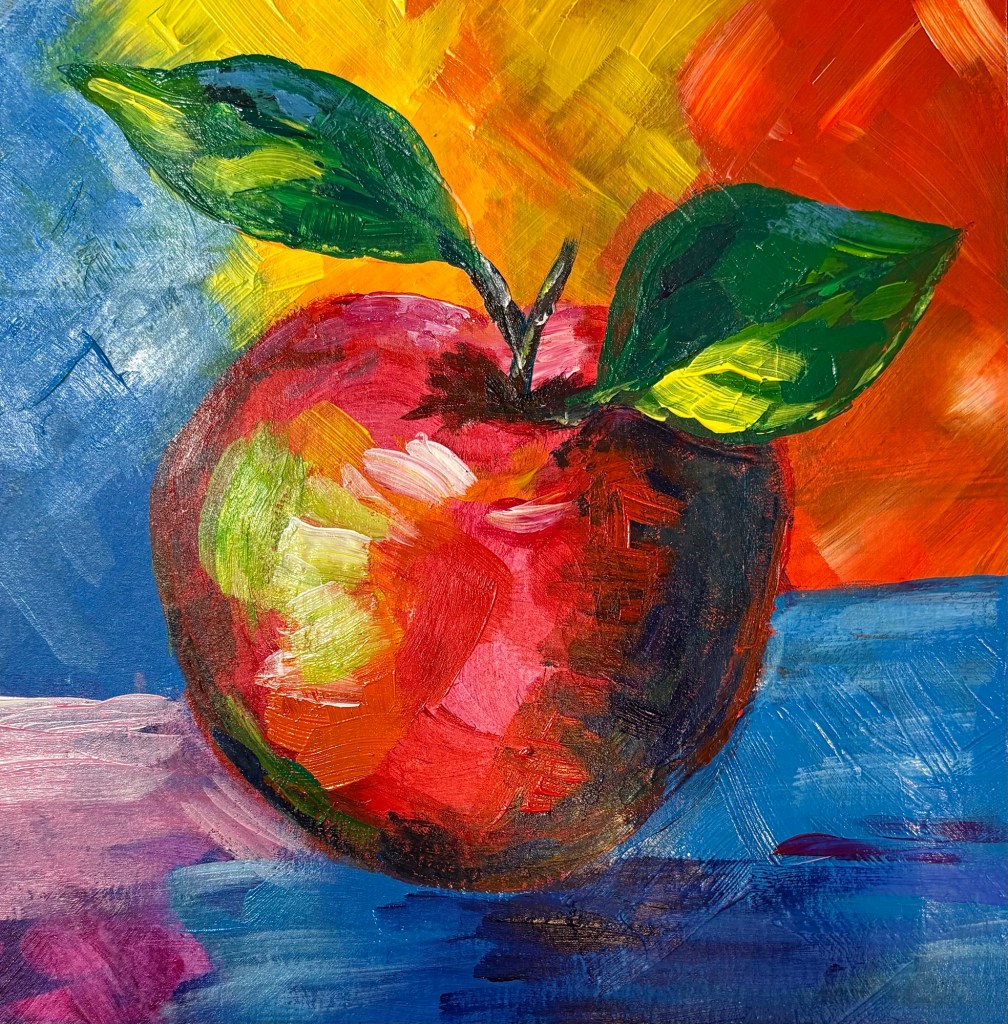
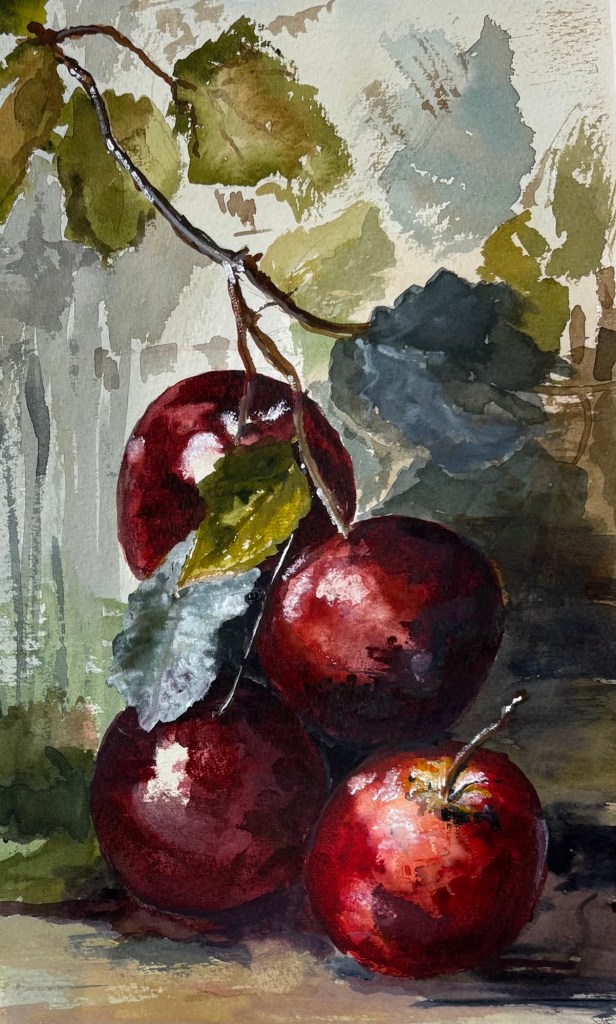
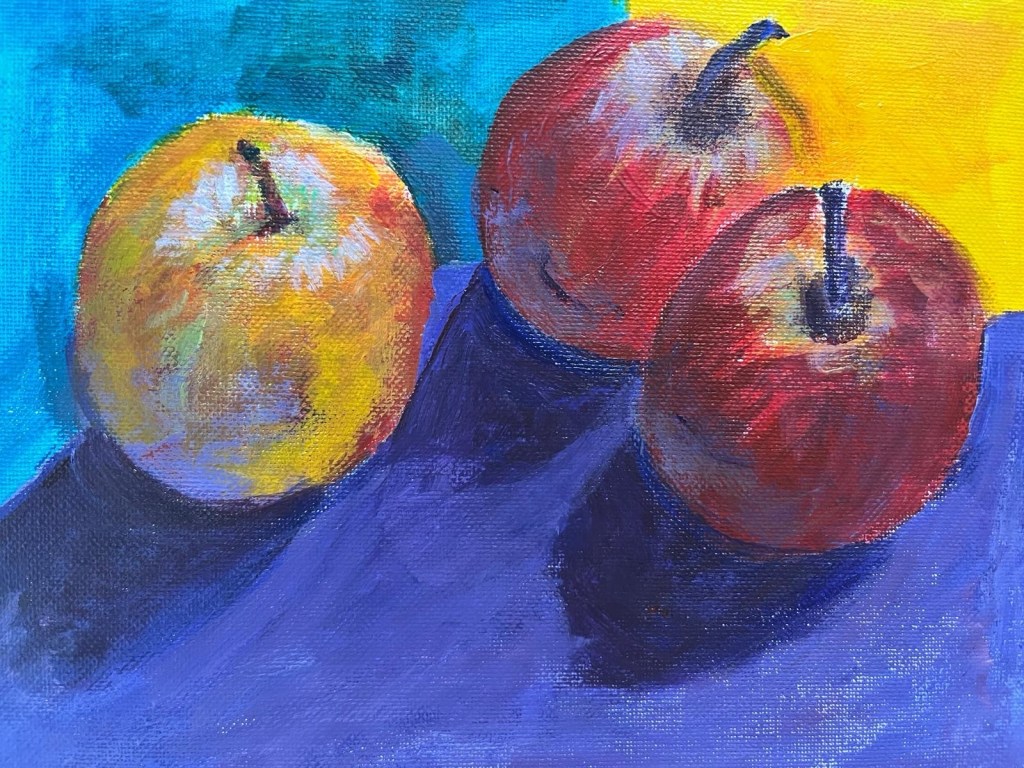
The Meaning of the Apple in Art
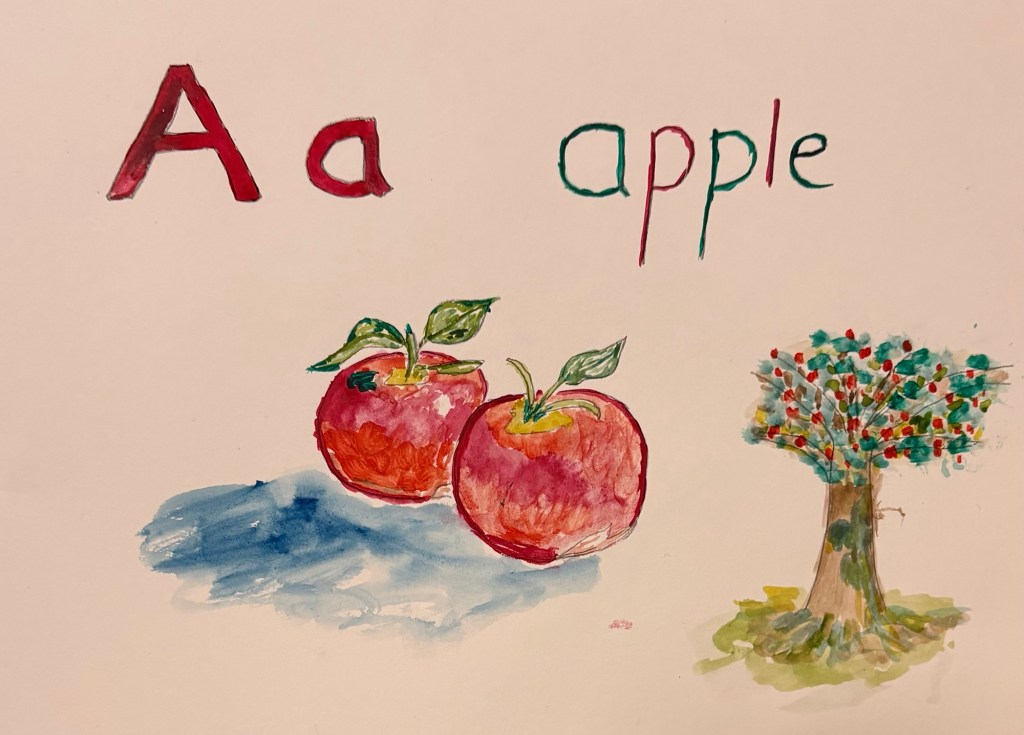
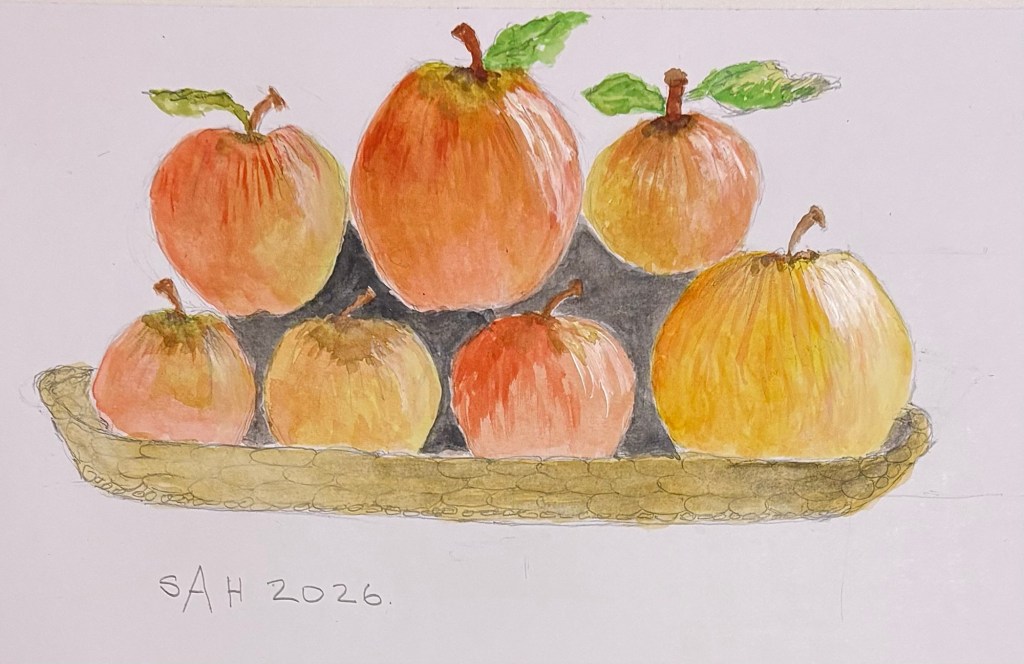
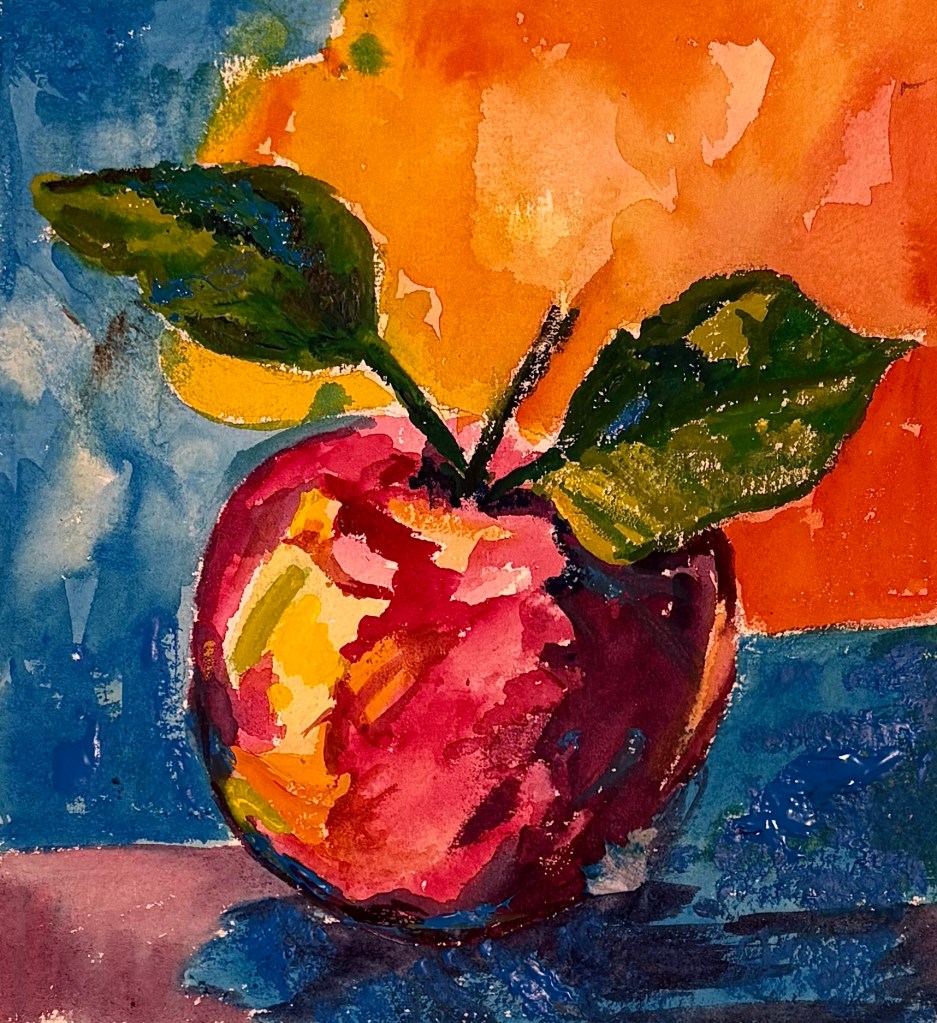
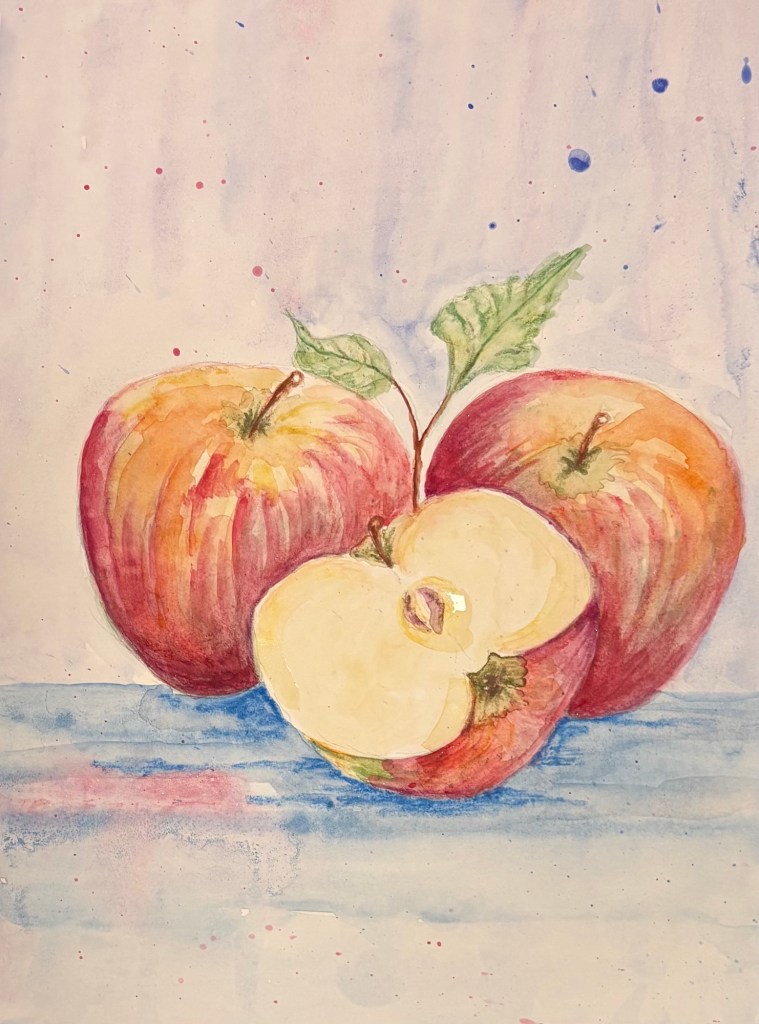
In art, the apple is a versatile symbol that can represent temptation, sin, knowledge, beauty, fertility, immortality, and even wealth — its meaning shifts depending on the myth, tradition, and artistic context
Mythological and Religious Roots
The apple is powerful because it appears in important myths and religious stories:
- Garden of Eden: In Western Christianity, the apple is the forbidden fruit that symbolises temptation, sin, and knowledge.
- Garden of the Hesperides: Golden apples of eternal youth represent immortality, beauty, and divine favour
- Apple of Discord: In Greek myth, the golden apple awarded by Paris to Aphrodite triggered the Trojan War, symbolising beauty, vanity, and conflict
- Norse and Celtic lore: Apples from the Tree of Life or Avalon’s apple trees are linked to health, happiness, and immortality
Artistic and Cultural Uses
Artists have used the apple in:
- Religious and moral allegories – e.g., Dürer’s Adam and Eve, where the apple symbolizes the Fall
- Classical and Renaissance art – apples as attributes of Venus, the Graces, or deities, symbolising youth, beauty, and fertility .
- Fairy tales and literature – the poisoned apple in Snow White evokes death, temptation, and seduction
- Modern and symbolic art – psychoanalytic readings connect the apple’s shape to the female breast, linking it to nourishment and desire
Ambiguity and Duality
The apple is often called “double-faced” because it can represent both good and evil. This shows its ability to symbolise:
- Prosperity and fertility (abundance, wealth, life)
- Sin and danger (temptation, moral downfall)
- Knowledge and enlightenment (wisdom, divine insight)
And they taste pretty good too..
Have a lovely week,
with love and hugs, Liz xxxxx

