


















Other common names
Canary whitewood, canoewood, lyre tree, North American whitewood, saddle tree, tulip poplar, western poplar, whitewood, yellow poplar
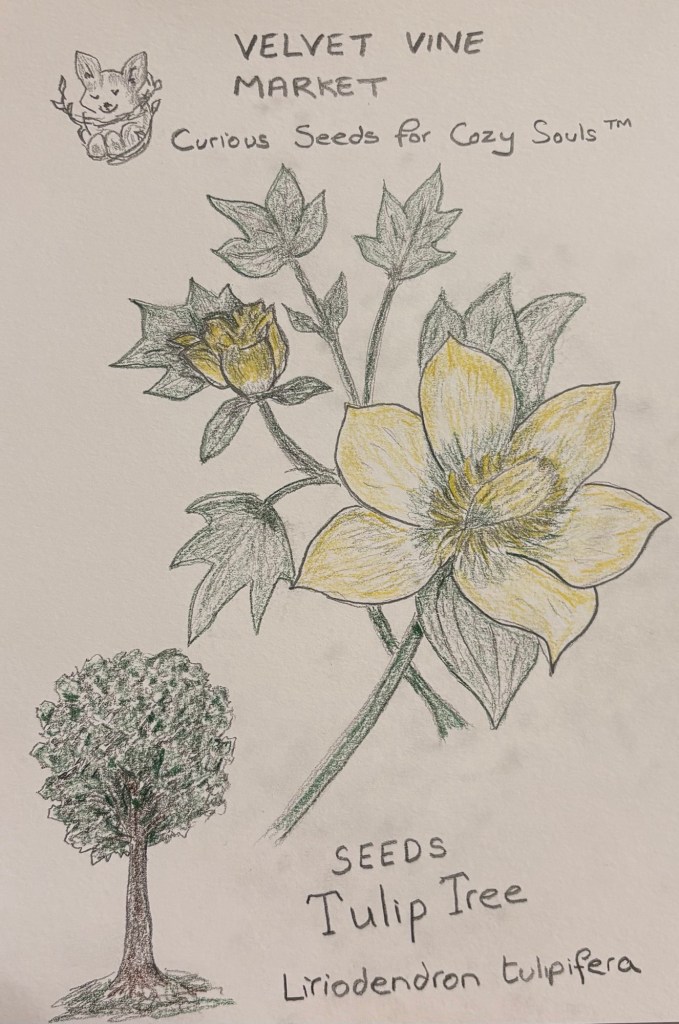
Here are some facts about the tulip tree (Liriodendron tulipifera):
Ecological Role: Its seeds serve as a food source for birds and small mammals, and it acts as a larval host for various butterfly species
Growth Rate: The tulip tree is one of the fastest-growing hardwoods, growing over 2 feet (60 cm) per year
Height: It can reach heights of up to 60 meters (197 feet), making it taller than all other eastern broad-leaved trees
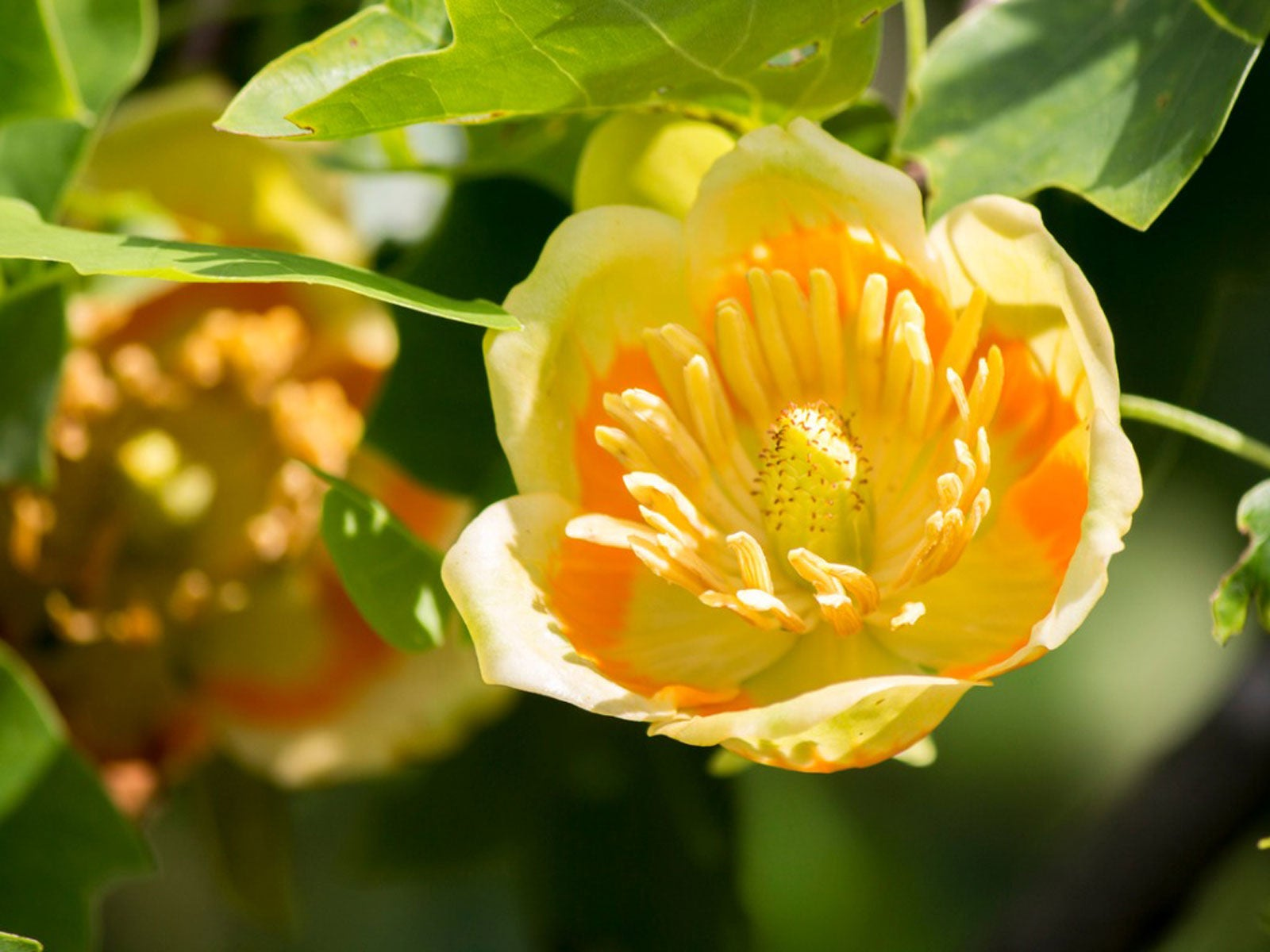
Flowers: The tree produces distinctive yellow tulip-shaped flowers and has lobed leave.
Habitat: Native to eastern North America, it thrives in mixed-hardwood stands .
Liriodendron tulipifera is an unusual tree grown for its curiously shaped leaves and stately shape. It’s common name, tulip tree refers to the small, pale green tulip-shaped flowers which only appear on mature trees, usually over ten years old. It is still a beautiful tree to grow as the saddle-shaped, glossy dark green leaves smell strongly of eucalyptus when crushed. In autumn, they turn brilliant yellows and reds, eventually falling to reveal the corky bark.
Grow it as a specimen tree in slightly acidic, well-drained soil in full sun. It has been given an Award of Garden Merit (AGM), which is for plants of outstanding excellence.
Marjorie inspired this week’s gallery , bringing with her to class a beautiful tulip tree flower . We all send you our best wishes and a little sunshine Marjorie. You and your Art are a gift to us all x
💛

Have a lovely Summer everyone and we shall see you back after the holidays with new ideas and fabulous Art
Love and hugs, Liz at the beach hut xxx
 Sea Sparkle