Sylvia
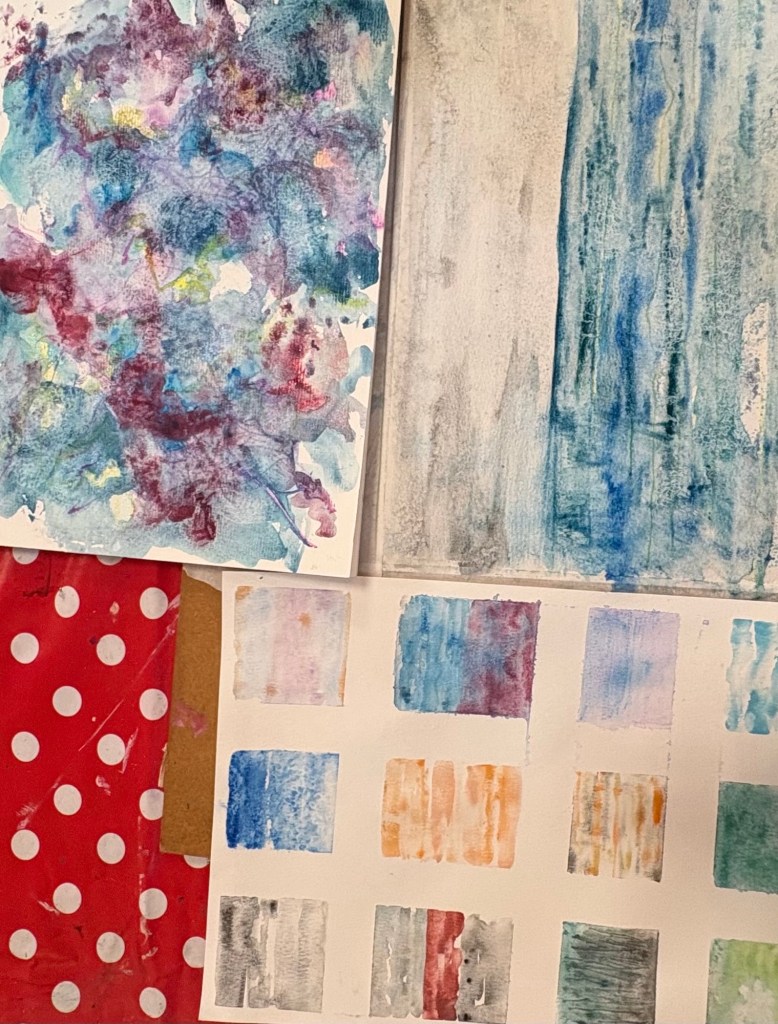
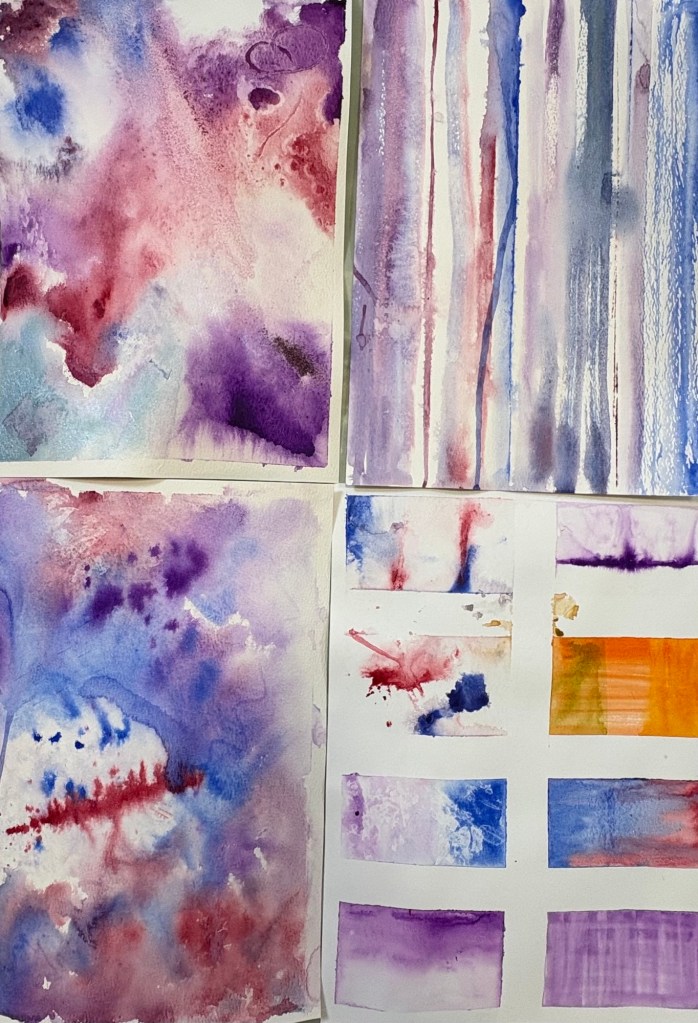
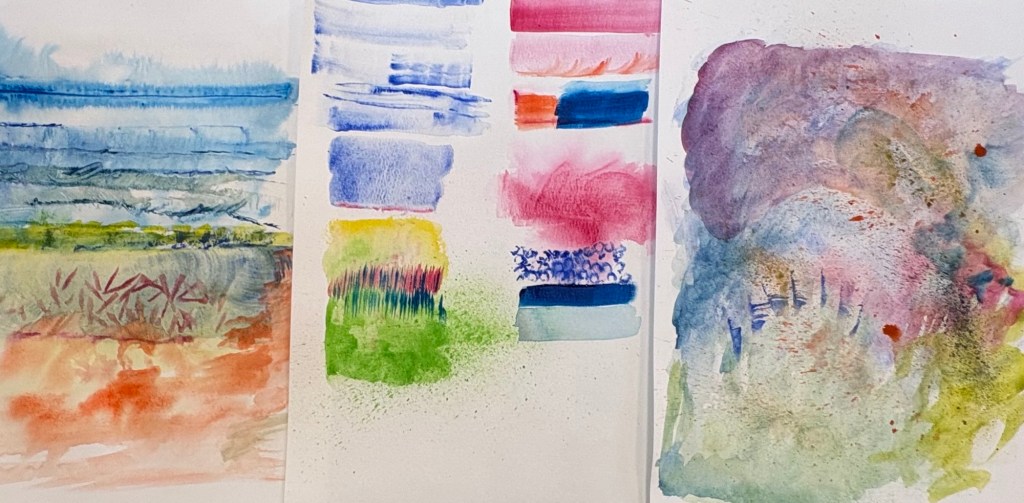
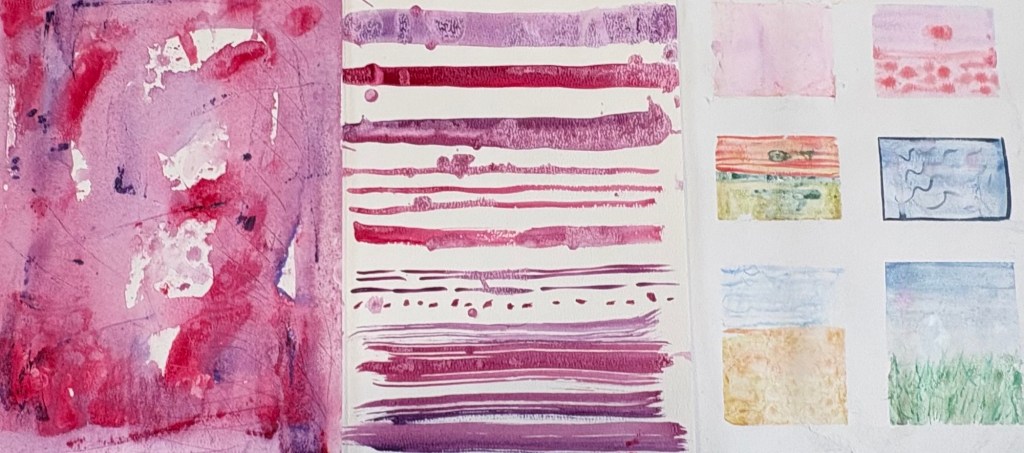
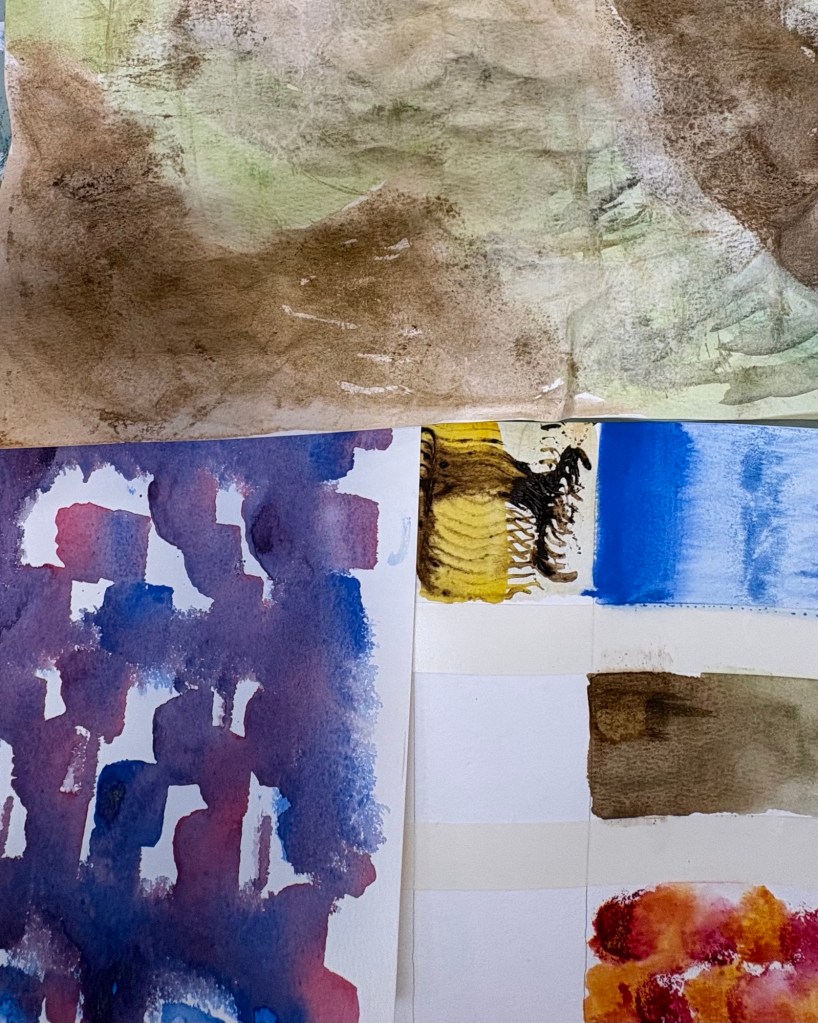
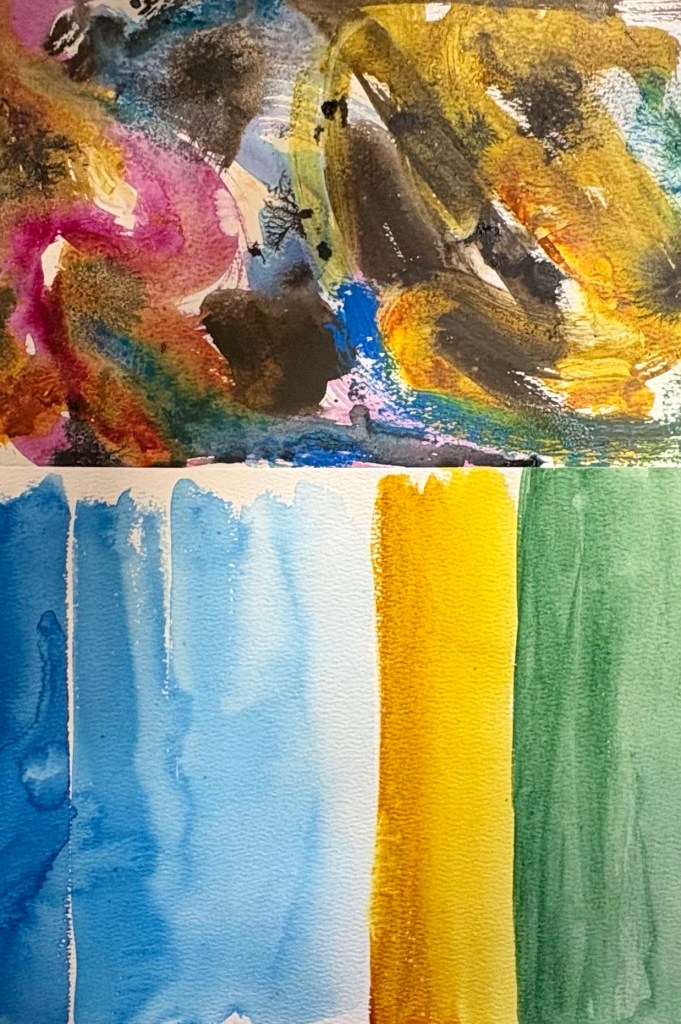
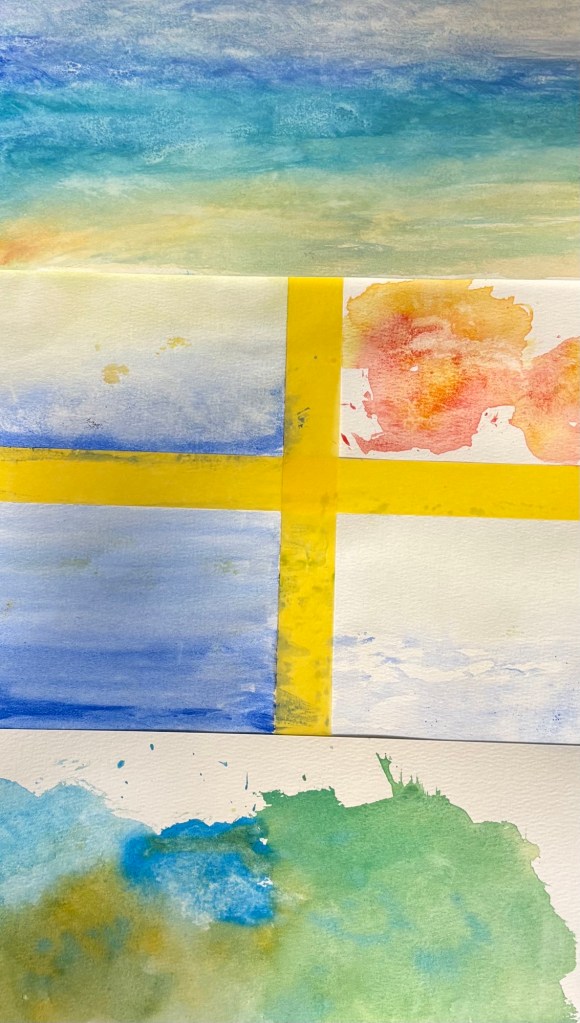
Essential Watercolour Techniques
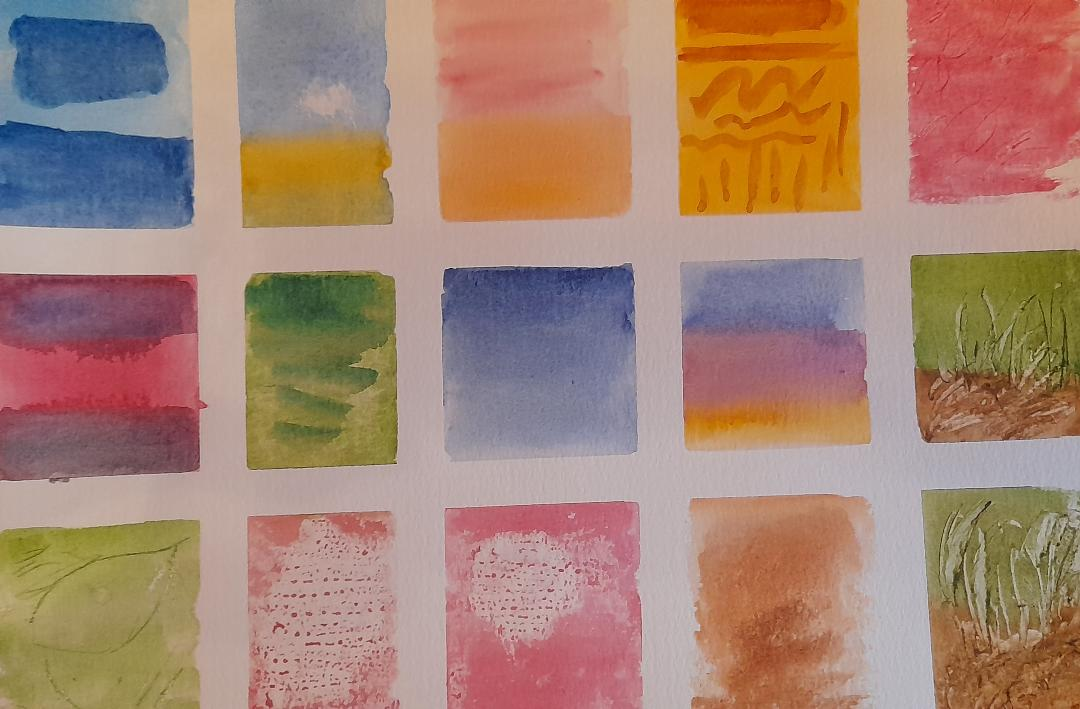
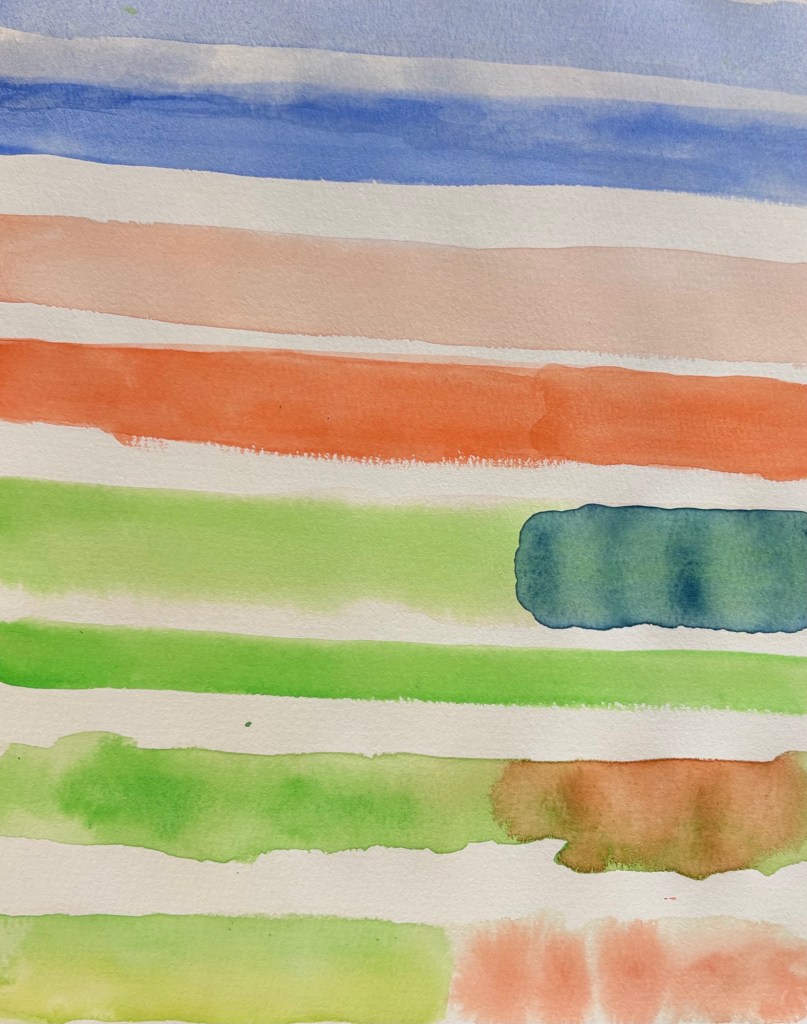
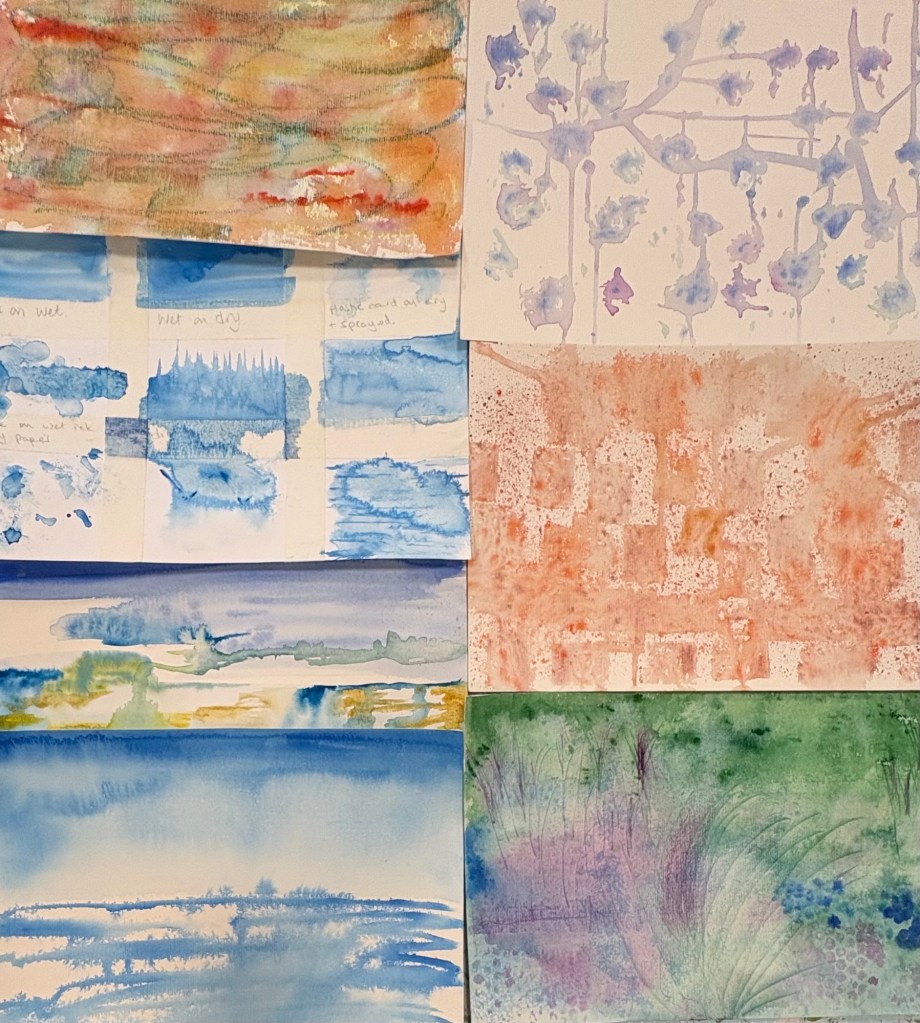
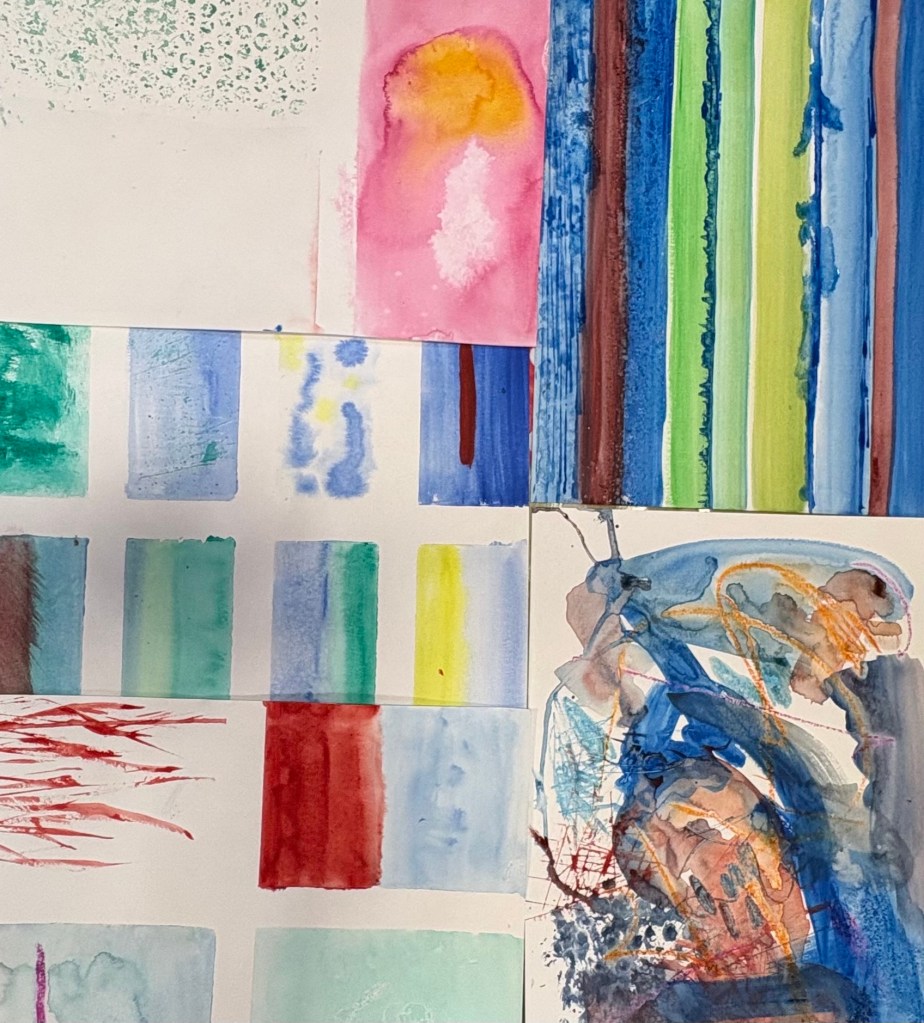
- Flat wash
- Graded wash
- Wet‑on‑wet
- Wet‑on‑dry
- Glazing
- Dry brush
- Lifting
- Blooms
- Salt
- Masking
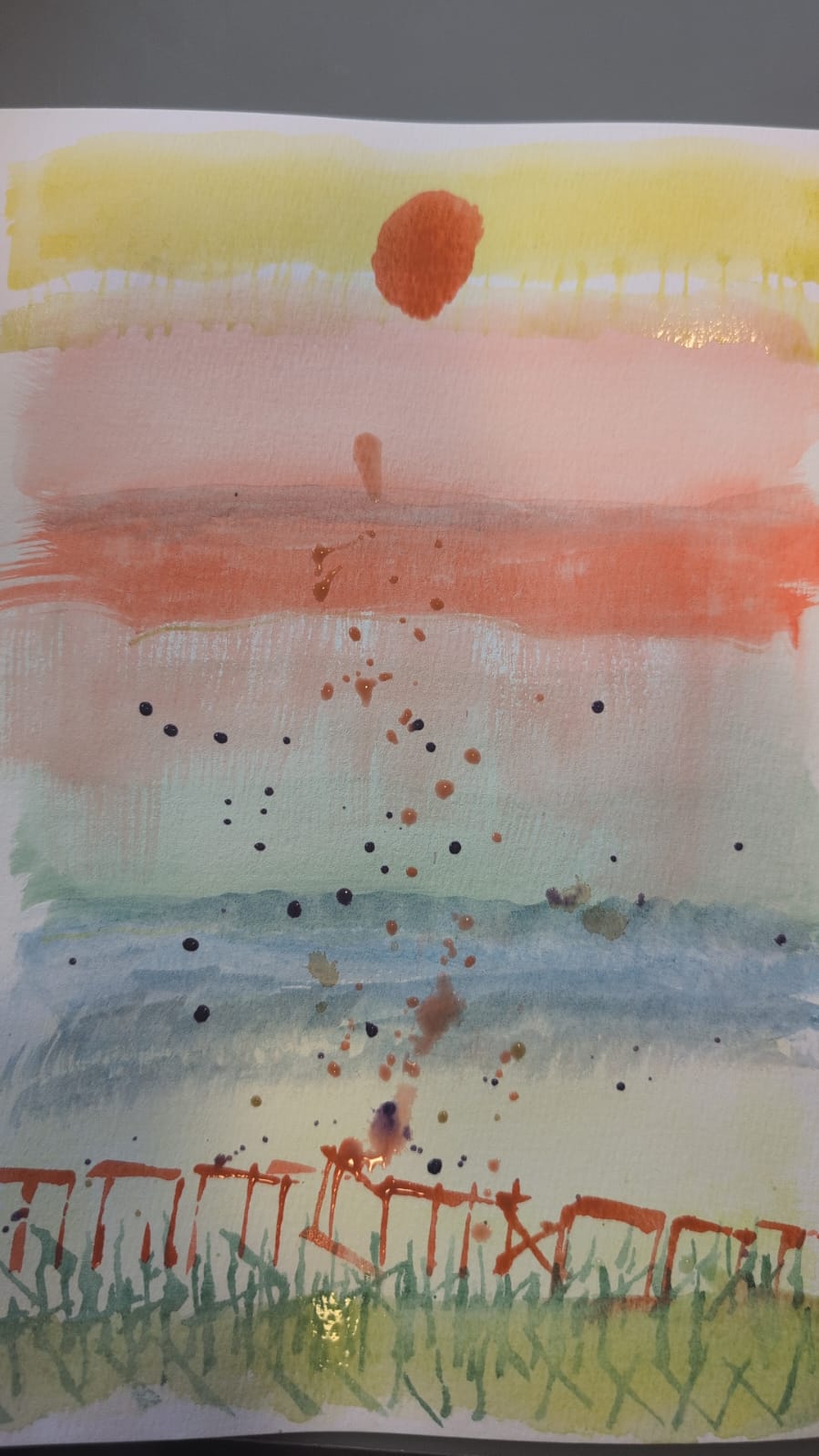
- Splatter
- Edge control
The most reliable way to make watercolour more exciting is to increase contrast, movement, and intentional unpredictability through bold colour choices, dynamic brushwork, and creative water control.
Colour
Strong colour decisions instantly add energy.
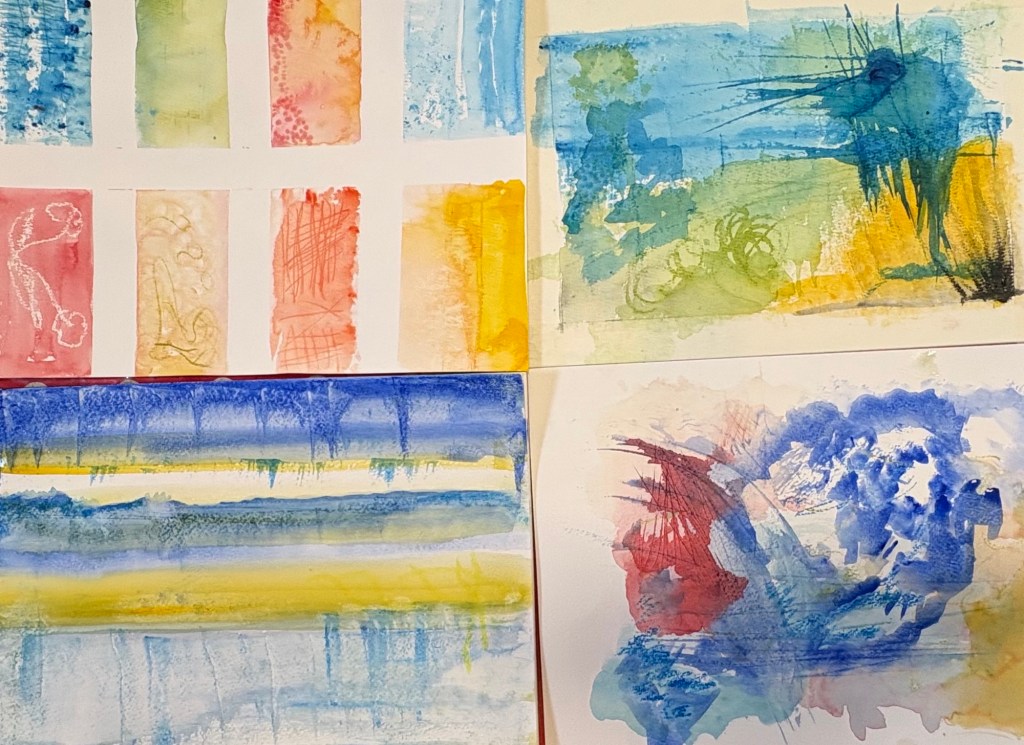
- Push contrast by pairing saturated colours with very light washes; watercolour comes alive when the lights are truly light.
- Limit your palette to 2–3 strong pigments; fewer colours often create more impact.
- Use complementary pairs (e.g., ultramarine + burnt sienna, cobalt teal + quinacridone rose) to create vibrancy without muddiness.
- Try granulating pigments like ultramarine or cerulean for natural texture.
Water
Watercolour becomes exciting when you let water behave dynamically.
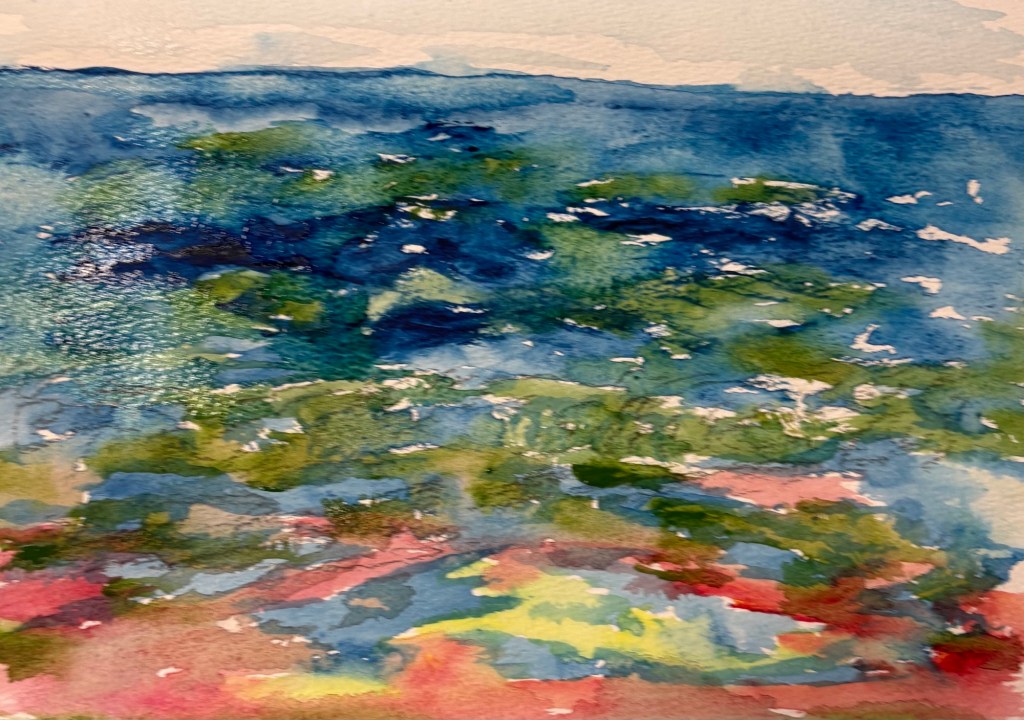
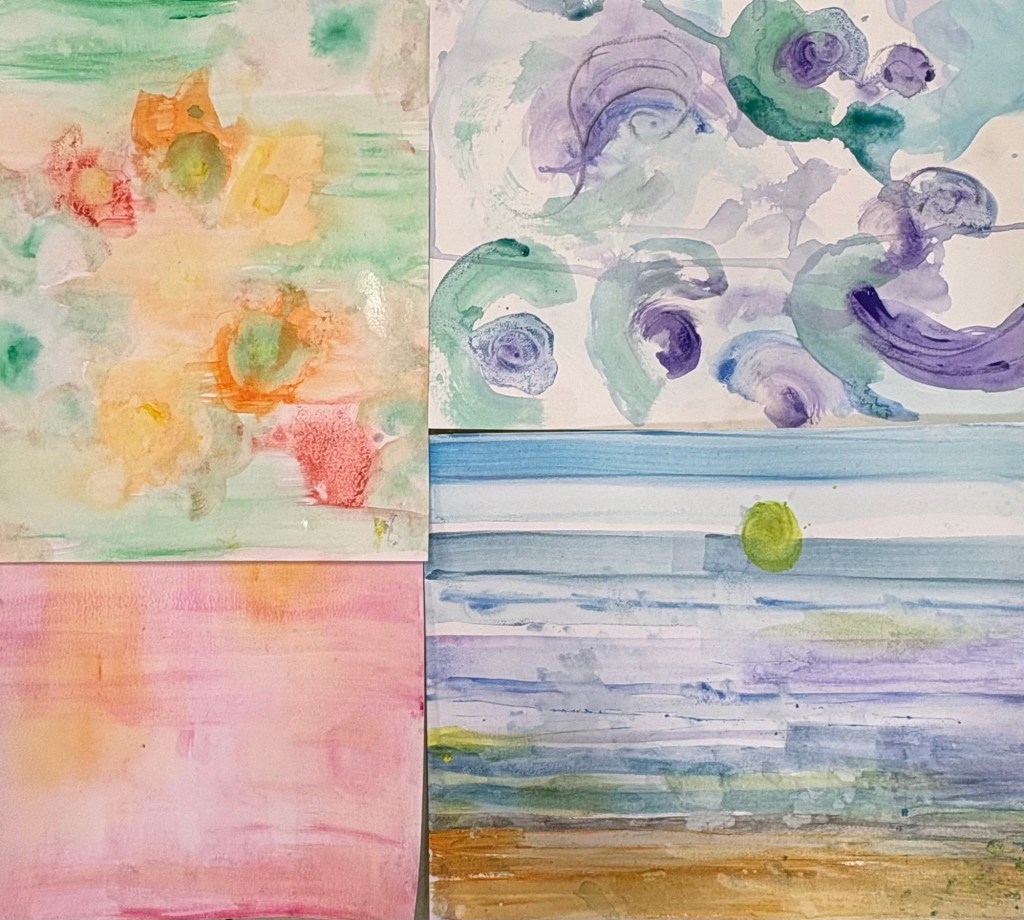
- Wet‑in‑wet: Lay down clear water first, then drop in pigment and let it spread organically.
- Controlled blooms: Add clean water into a drying wash to create dramatic, feathery explosions of colour.
- Tilt the paper to let paint run and form natural gradients.
- Layer transparently: Build depth with multiple thin glazes rather than one heavy wash.
Brushes
Your brushstrokes can create rhythm and dynamism.
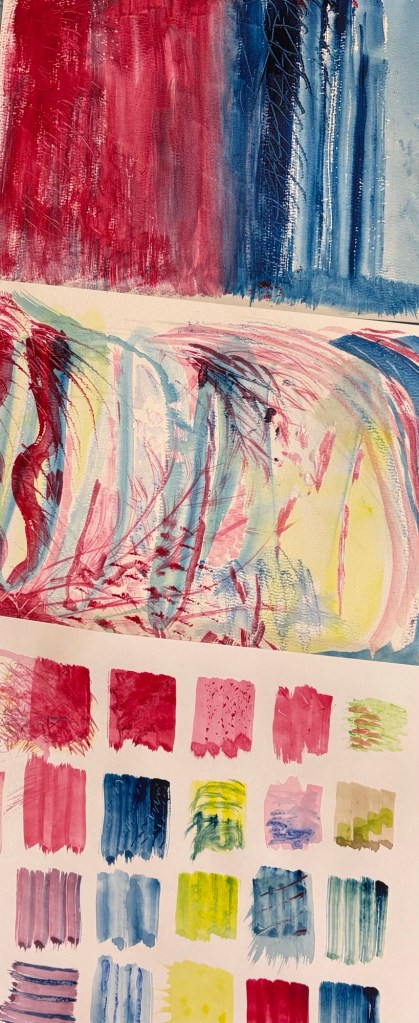
- Use larger brushes than you think you need; they force confident, sweeping marks.
- Vary pressure within a single stroke to create thick‑to‑thin movement.
- Break edges by softening some areas with clean water while leaving others crisp.
- Try unconventional tools: sponges, credit cards, or even salt for texture.
Composition
Excitement often comes from structure, not just technique.
- Use strong value patterns: a clear light–dark arrangement makes the painting pop.
- Create a focal point with the highest contrast or most saturated colour.
- Add diagonals or curves to introduce movement.
- Leave intentional white space; untouched paper adds sparkle and clarity.
Energy
Watercolour rewards curiosity.
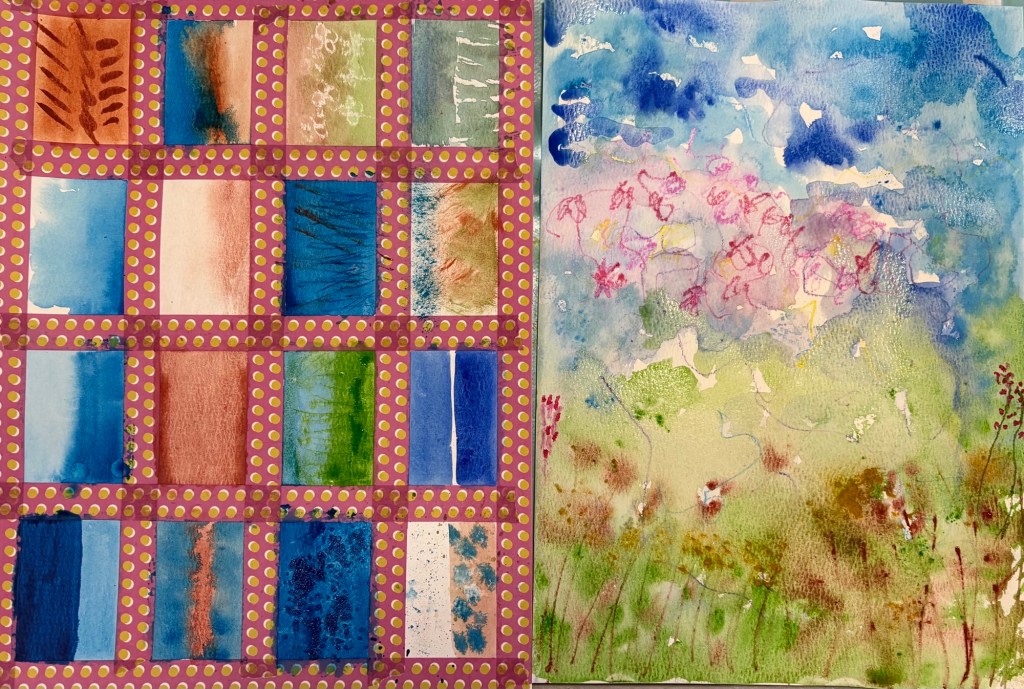
- Mix on the paper, not just the palette, to get surprising blends.
- Try different papers: rough paper enhances texture; hot‑press gives crisp edges.
- Use masking fluid for dramatic highlights.
- Paint fast studies (2–5 minutes) to loosen your style and reduce overthinking.
Materials
Shops in Devon and across the UK commonly carry:
- Winsor & Newton Professional Watercolours (great for strong pigments)
- Jackson’s or Cass Art brushes (good large rounds and mops)
- Saunders Waterford or Bockingford paper (excellent British-made options)
How to start
Try this simple exercise to inject excitement:
- Wet the entire sheet lightly.
- Drop in two bold colours and let them merge naturally.
- Tilt the paper to create movement.
- Add a few crisp, dark strokes once the first layer dries.
- Leave some pure white paper untouched.
Enjoy the process of being free to let the paints and colours flow
See you next time when we will add details to the backgrounds
Love and hugs, Liz at the Beach Hut x